PRODUCTS SOLD ON PEPTIDESLABIRELAND.COM ARE FOR RESEARCH PURPOSES ONLY AND ARE NOT FOR HUMAN OR VETERINARY USE.
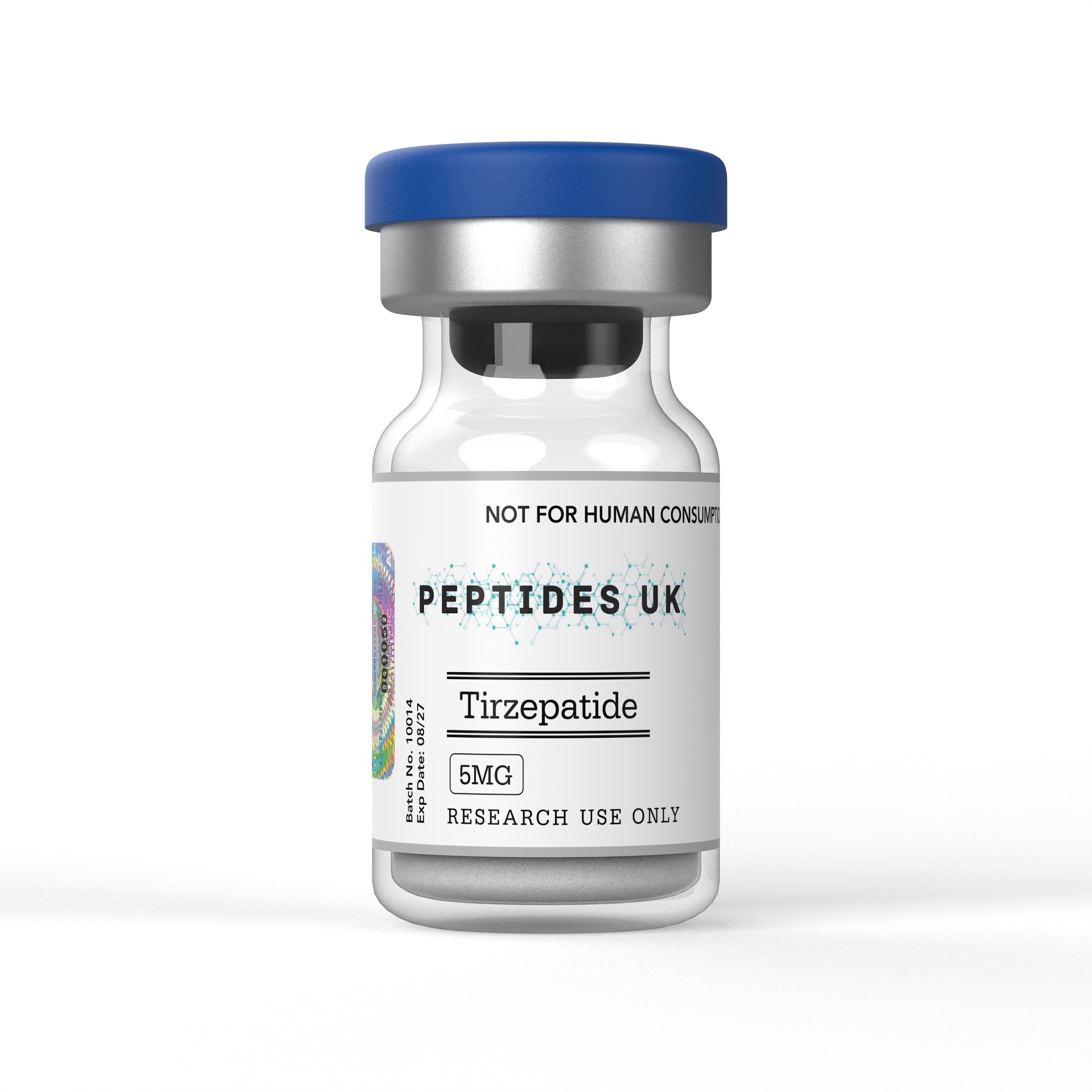
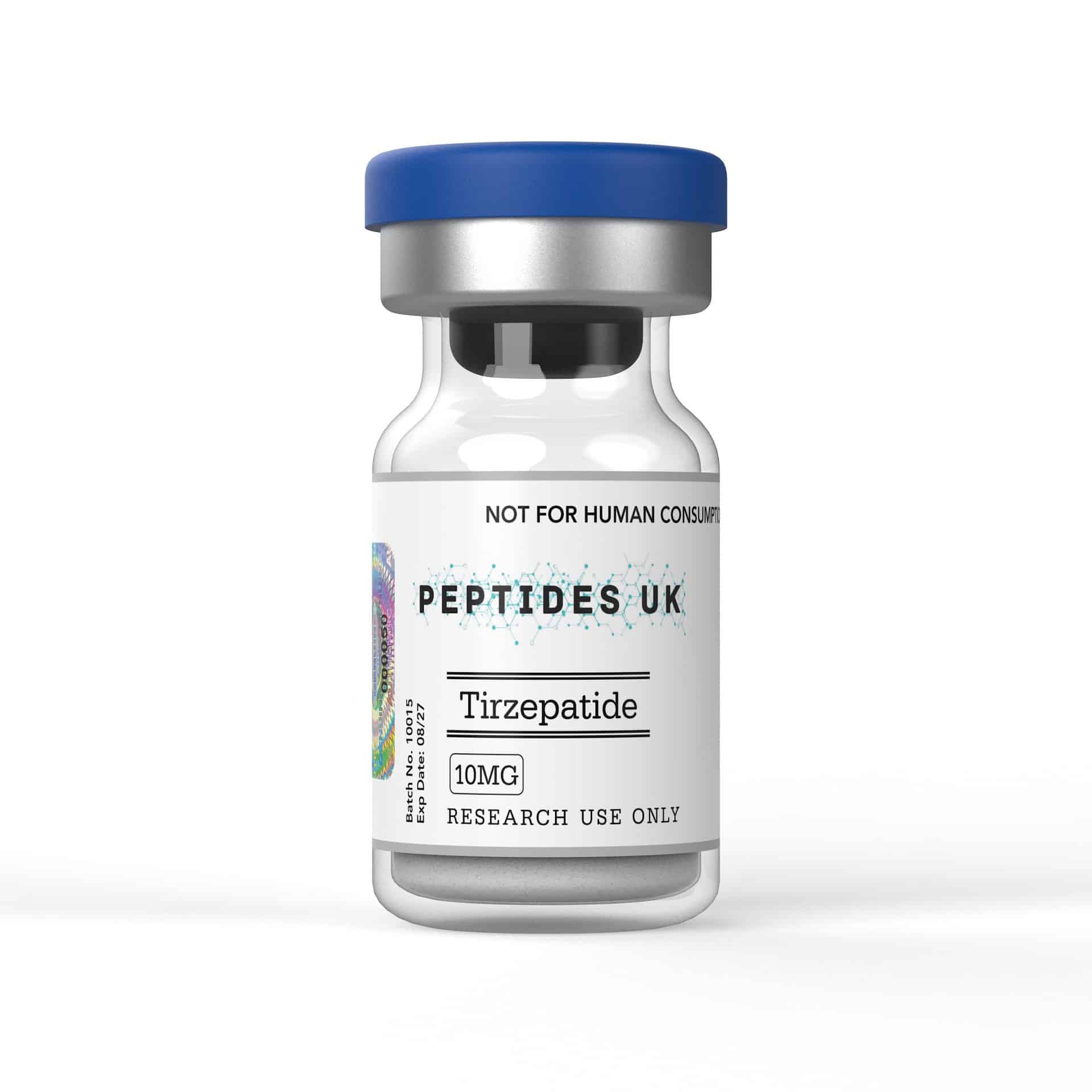
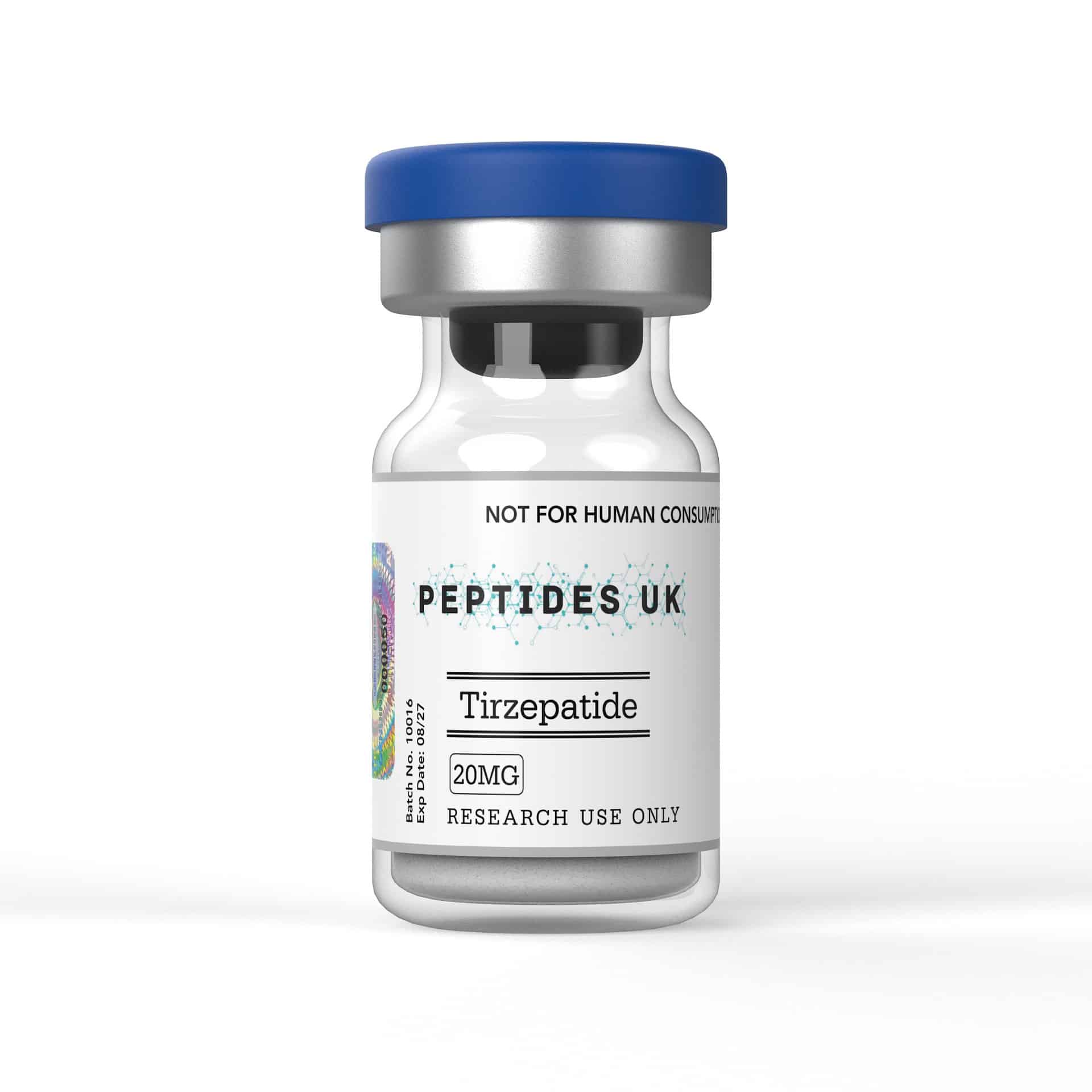
€49.50 – €321.00Price range: €49.50 through €321.00
Tirzepatide Ireland – Buy Online | In Stock & Ready to Ship
Buy Tirzepatide in Ireland with fast shipping and guaranteed ≥99% purity — verified with COA and HPLC documentation. A trusted choice for peptides Ireland research teams rely on, with no customs delays or international wait times. Whether you’re searching for Tirzepatide Ireland suppliers or looking to buy peptides Ireland-wide, we have you covered. Irish research teams can count on consistent stock, rapid fulfilment and full batch documentation every time.
For research use only. Not intended for human or veterinary use.



Tirzepatide — a synthetic 39-amino acid dual glucose-dependent insulinotropic polypeptide and glucagon-like peptide-1 receptor co-agonist peptide and the defining first-in-class twincretin research compound available to laboratories in Ireland — a fatty acid-conjugated GIP/GLP-1 receptor co-agonist that simultaneously activates both the GIPR and GLP-1R through a single peptide molecule engineered on a GIP-based scaffold with GLP-1R-engaging sequence modifications and a C20 fatty diacid conjugation enabling albumin binding and once-weekly pharmacokinetics — producing additive and synergistic incretin biology spanning glucose-stimulated insulin secretion, glucagon suppression, gastric emptying inhibition, central appetite suppression, beta cell trophic biology, adipose tissue lipolysis, and cardioprotective signalling through dual incretin receptor pathway engagement that surpasses either GIP or GLP-1 receptor monoagonism in metabolic efficacy — making it an indispensable research tool for studying dual GIPR-GLP-1R co-agonism pharmacology and the mechanistic basis of twincretin synergy, the comparative contributions of GIPR versus GLP-1R signalling to incretin biology and metabolic regulation, GIP receptor pharmacology and Gs-cAMP signal transduction in pancreatic beta cells and adipocytes, the additive and synergistic interactions between GIPR and GLP-1R downstream signalling pathways, the structural basis of dual incretin receptor engagement by a single peptide molecule, central appetite neurocircuitry co-activation through dual hypothalamic incretin receptor engagement, adipose tissue GIPR biology and the metabolic consequences of combined GIPR-GLP-1R activation in fat depots, the cardiovascular biology of dual incretin receptor co-agonism, and the comparative pharmacology of dual versus selective incretin receptor agonism in the research context of metabolic disease, obesity, and type 2 diabetes biology. Researchers and institutions across Ireland can source verified, research-grade Tirzepatide directly from our Irish peptide supply, with domestic-speed dispatch and complete batch documentation.
✅ ≥99% Purity — HPLC & Mass Spectrometry Verified
✅ Batch-Specific Certificate of Analysis (CoA) Included
✅ Sterile Lyophilised Powder | GMP Manufactured
✅ Fast Dispatch to Ireland | Peptides Ireland Stock
Tirzepatide — LY3298176, a 39-amino acid GIP-based dual GIPR/GLP-1R co-agonist peptide with C20 fatty diacid conjugation via a linker at Lys26 enabling albumin binding — is a synthetic twincretin developed at Eli Lilly through a rational peptide engineering programme directed at producing a single molecule capable of simultaneously activating both incretin receptors — the glucose-dependent insulinotropic polypeptide receptor (GIPR) and the glucagon-like peptide-1 receptor (GLP-1R) — to recapitulate and surpass the combined incretin biology of the two endogenous incretin hormones GIP and GLP-1, which are co-released from intestinal K-cells and L-cells respectively following nutrient ingestion and together constitute the physiological incretin axis. The development rationale for Tirzepatide rested on the complementary and partially non-overlapping biology of GIPR and GLP-1R signalling — with GIPR providing potent glucose-dependent insulin secretion, adipose tissue lipid metabolism regulation, and bone biology alongside less pronounced central appetite effects, and GLP-1R providing strong central satiety signalling, gastric emptying inhibition, glucagon suppression, and beta cell trophic biology — with dual engagement of both pathways predicted to produce additive or synergistic metabolic efficacy exceeding selective monoagonism at either receptor alone.
Tirzepatide’s molecular architecture reflects a sophisticated peptide engineering solution to the challenge of dual receptor engagement from a single scaffold — the peptide is based on the native GIP sequence with selective amino acid modifications introduced to confer GLP-1R activity while preserving full GIPR agonism, combined with a C20 fatty diacid conjugated via a hydrophilic linker to Lys26 that enables reversible albumin binding for the extended half-life of approximately 5 days required for once-weekly administration. The resulting peptide activates GIPR with potency approximately equivalent to native GIP, and GLP-1R with potency approximately equivalent to native GLP-1 — establishing Tirzepatide as a balanced dual agonist rather than a GLP-1R agonist with residual GIPR activity. This balanced dual agonism pharmacology is pharmacologically distinct from the GLP-1R-selective agonist class including semaglutide and liraglutide, and from the incretin mimetic exenatide, establishing Tirzepatide as a genuinely novel pharmacological entity in incretin receptor research.
The mechanistic basis of Tirzepatide’s superior metabolic efficacy relative to selective GLP-1R agonists involves both additive and potentially synergistic interactions between GIPR and GLP-1R signalling pathways. GIPR and GLP-1R both signal through Gs-cAMP-PKA pathways in pancreatic beta cells — producing additive cAMP elevation and amplified glucose-stimulated insulin secretion relative to either receptor alone. In adipose tissue, GIPR activation produces direct lipid metabolism effects including triglyceride clearance and lipid uptake regulation that complement GLP-1R-mediated indirect adipose biology — the combination potentially producing greater adipose tissue metabolic activity than GLP-1R engagement alone. In the central nervous system, emerging evidence suggests both GIPR and GLP-1R are expressed in hypothalamic appetite-regulating circuits, with dual engagement potentially producing greater anorexigenic drive than GLP-1R monoagonism. Tirzepatide’s clinical efficacy data — demonstrating superior HbA1c reduction and body weight loss relative to semaglutide in the SURPASS-2 trial — has provided the clinical validation of dual incretin receptor co-agonism as a pharmacological strategy and established Tirzepatide as the most efficacious approved incretin-based metabolic agent, making it an exceptionally high-value research compound for studying the mechanisms underlying dual incretin receptor co-agonism superiority.
In controlled laboratory and pre-clinical settings, Tirzepatide is studied across dual incretin receptor pharmacology, pancreatic beta cell biology, central appetite neurocircuitry, adipose tissue metabolism, cardiovascular biology, comparative incretin pharmacology, and the fundamental mechanistic basis of twincretin synergy:
Tirzepatide is the reference dual GIPR/GLP-1R co-agonist for twincretin receptor pharmacology research — used to characterise simultaneous GIPR and GLP-1R binding kinetics, dual Gs-cAMP pathway activation in receptor co-expressing cell models, the additive and synergistic cAMP accumulation profiles produced by concurrent GIPR and GLP-1R engagement, and the downstream effector cascade modifications arising from dual receptor activation relative to selective monoagonism. Research uses Tirzepatide to establish dual incretin receptor co-agonism pharmacodynamic profiles — characterising concentration-response relationships for GIPR and GLP-1R concurrent cAMP accumulation, the receptor selectivity ratios at defined Tirzepatide concentrations, receptor internalisation and trafficking dynamics under dual agonism conditions, and the signal transduction pathway interactions between simultaneously activated GIPR and GLP-1R downstream networks in pancreatic beta cells, adipocytes, and hypothalamic neuronal models. These dual receptor signal transduction studies provide the reference dataset for twincretin pharmacology that cannot be replicated by combining selective GIP and GLP-1R monoagonists at equivalent concentrations — establishing Tirzepatide as the unique single-molecule dual agonism research tool.
Tirzepatide drives glucose-stimulated insulin secretion through simultaneous GIPR and GLP-1R activation in pancreatic beta cells — producing additive cAMP elevation, amplified KATP channel closure, enhanced L-type calcium channel activation, and augmented calcium-triggered insulin exocytosis relative to selective GLP-1R agonism alone. Research has characterised Tirzepatide’s beta cell biology in primary human and rodent islets and beta cell line models — examining dual cAMP accumulation kinetics, PKA and EPAC2 co-activation profiles, insulin secretion dose-response relationships across defined glucose concentration ranges establishing dual incretin receptor glucose-dependency, first and second phase insulin secretory responses to Tirzepatide versus selective GIP and GLP-1R agonists, and the additive insulin secretory contribution of GIPR co-activation to GLP-1R-mediated incretin biology. These beta cell insulin secretion studies have established Tirzepatide as the reference dual incretin agonist for studying the additive incretin pharmacology of combined GIPR and GLP-1R activation and the mechanistic basis of superior glucose lowering relative to GLP-1R monoagonism.
Both GIPR and GLP-1R activation produce beta cell anti-apoptotic and trophic biology through overlapping PI3K-Akt and cAMP-PKA-CREB survival signalling pathways — and Tirzepatide’s simultaneous engagement of both receptors potentially produces additive or synergistic beta cell trophic responses relative to selective monoagonism. Research has characterised Tirzepatide’s beta cell trophic biology — examining concurrent GIPR and GLP-1R-mediated anti-apoptotic signalling in cytokine and glucolipotoxicity stress models, dual receptor-driven beta cell proliferation responses, and the comparative beta cell mass preservation biology of Tirzepatide versus selective GLP-1R agonist treatment in rodent diabetes models. These beta cell survival studies have contributed to characterisation of dual incretin receptor trophic signalling as a potentially superior beta cell protection strategy relative to selective GLP-1R agonism alone.
Tirzepatide produces pronounced central appetite suppression and body weight reduction that exceeds selective GLP-1R agonist efficacy — with emerging evidence indicating that GIPR expression in hypothalamic arcuate and ventromedial nuclei contributes to central anorexigenic biology alongside the well-characterised GLP-1R-mediated appetite suppression. Research has examined Tirzepatide’s central appetite biology — characterising food intake reduction relative to selective GLP-1R agonist comparison, hypothalamic neuropeptide expression changes including POMC upregulation and NPY suppression following dual incretin receptor engagement, the contribution of GIPR-specific hypothalamic signalling to Tirzepatide’s anorexigenic effects using selective GIPR antagonist controls, and the gut-brain axis signalling mechanisms transmitting dual incretin receptor activation signals to central appetite regulatory circuits through vagal afferent and systemic hormonal pathways. These central appetite studies have contributed to establishing the mechanistic basis of Tirzepatide’s superior weight-reducing biology relative to GLP-1R monoagonism.
GIPR is expressed on adipocytes — producing direct lipid metabolism effects including triglyceride clearance enhancement, fatty acid uptake modulation, and adipocyte differentiation regulation through Gs-cAMP signalling in fat cells — and Tirzepatide’s GIPR co-agonism component produces direct adipose tissue biology that selective GLP-1R agonists lack. Research has characterised Tirzepatide’s adipose tissue biology — examining GIPR-mediated triglyceride clearance, adipocyte cAMP elevation and lipid uptake regulatory effects, the combined GIPR and GLP-1R adipose tissue biology relative to selective monoagonist treatments, visceral versus subcutaneous fat depot GIPR expression and response profiles, and the contribution of direct adipose GIPR signalling to the superior visceral fat reduction observed with Tirzepatide versus selective GLP-1R agonists. These adipose biology studies have established adipose tissue GIPR pharmacology as a pharmacologically significant component of Tirzepatide’s metabolic efficacy and contributed to mechanistic understanding of dual incretin co-agonism adipose biology.
GLP-1R activation on pancreatic alpha cells suppresses glucagon secretion in a glucose-dependent manner — and GIPR effects on alpha cell biology have been characterised as context-dependent, with GIPR potentially modulating alpha cell responses differently from GLP-1R engagement. Research has examined Tirzepatide’s glucagon regulatory biology — characterising the glucose-dependent glucagon suppression profile of dual GIPR/GLP-1R co-agonism relative to selective GLP-1R monoagonist glucagon suppression, the GIPR contribution to or modification of alpha cell glucagonostatic responses, and the net glucagon regulatory outcome of simultaneous GIPR and GLP-1R activation in intact islet models where paracrine interactions between beta, alpha, and delta cells contribute to the integrated glucagon response. These alpha cell biology studies have contributed to understanding of how dual incretin receptor co-agonism modifies the islet glucagon regulatory network relative to selective GLP-1R pharmacology.
Both GIPR and GLP-1R are expressed in cardiac tissue — with GLP-1R-mediated cardioprotection well-characterised through PI3K-Akt pro-survival signalling and GIPR contributing direct cardiac biology through Gs-cAMP-mediated cardiomyocyte effects — and Tirzepatide’s dual receptor co-agonism produces cardiac biology spanning both receptor pathways. Research has characterised Tirzepatide’s cardiac biology — examining combined GIPR and GLP-1R-mediated cardiomyocyte signalling, cardioprotective effects in ischaemia-reperfusion injury models, the relative contributions of direct cardiac receptor activation versus systemic metabolic improvement to cardiovascular outcomes, and how dual incretin co-agonism modifies endothelial function, vascular inflammation biology, and cardiac remodelling relative to selective GLP-1R agonist cardiovascular biology. These cardiovascular studies have contributed to establishing the cardiac biology of dual incretin receptor co-agonism and the mechanistic basis of Tirzepatide’s cardiovascular outcome profile.
Tirzepatide is studied in direct comparative paradigms alongside selective GLP-1R agonists including semaglutide, liraglutide, and native GLP-1, selective GIPR agonists including native GIP, and combinations of selective monoagonists at equimolar concentrations — establishing whether Tirzepatide’s dual receptor engagement produces pharmacological effects that exceed the sum of selective monoagonist effects through receptor pathway synergy, or whether the combined biology is additive and replicable by monoagonist co-administration. These comparative pharmacology studies are fundamental to understanding the mechanistic basis of dual incretin co-agonism superiority — addressing whether synergy arises from receptor-level interactions, biased signalling differences in the single-molecule versus co-administered monoagonist scenario, or pharmacokinetic advantages of co-localised dual receptor activation from a single molecule occupying proximal receptor complexes.
The SURPASS-2 clinical trial established Tirzepatide’s superior glycaemic and weight-reducing efficacy relative to semaglutide 1mg — documenting greater HbA1c reductions and substantially greater body weight loss across all three Tirzepatide doses versus the approved GLP-1R agonist comparator. These landmark comparative efficacy data established dual GIPR/GLP-1R co-agonism as pharmacologically superior to selective GLP-1R monoagonism for metabolic outcomes and provided the clinical validation of the twincretin therapeutic strategy that has driven mechanistic research into the basis of dual incretin receptor co-agonism superiority.
Research has pharmacologically characterised Tirzepatide’s balanced dual GIPR and GLP-1R agonism — documenting equivalent potency at both receptors in cell-based cAMP accumulation assays, confirming simultaneous receptor co-activation in GIPR and GLP-1R co-expressing cell models, and establishing the concentration-response relationships for dual receptor engagement across the therapeutic dose range. These dual receptor pharmacology studies established Tirzepatide as a genuinely balanced twincretin rather than a GLP-1R-dominant agent with incidental GIPR activity.
Research has documented additive cAMP accumulation and enhanced glucose-stimulated insulin secretion in beta cell models co-expressing GIPR and GLP-1R following Tirzepatide versus selective monoagonist treatment — characterising the mechanistic basis of superior beta cell incretin stimulation from simultaneous Gs-cAMP pathway co-activation through both receptors. These beta cell pharmacology studies established the incretin signalling basis of Tirzepatide’s superior insulin secretory potentiation relative to selective GLP-1R agonism.
Research has characterised the direct adipose tissue GIPR biology contributing to Tirzepatide’s superior fat mass reduction — documenting GIPR-mediated triglyceride clearance, adipocyte cAMP signalling, and lipid metabolism regulation in adipose tissue models, and establishing that adipose GIPR co-activation contributes biological effects absent from selective GLP-1R agonist treatment. These adipose GIPR biology studies have contributed to mechanistic understanding of why dual incretin co-agonism produces superior visceral fat reduction compared to GLP-1R monoagonism.
Research has documented Tirzepatide’s central appetite suppression exceeding selective GLP-1R agonist effects in rodent feeding paradigms — characterising greater food intake reduction, enhanced hypothalamic anorexigenic neuropeptide responses, and superior body weight outcomes consistent with dual hypothalamic incretin receptor engagement contributing additional anorexigenic drive beyond GLP-1R monoagonism alone. These central appetite studies have contributed to establishing the neurobiological basis of Tirzepatide’s superior weight-reducing biology.
Tirzepatide received FDA approval as Mounjaro for type 2 diabetes management and as Zepbound for chronic weight management — establishing the most extensive clinical validation of any dual incretin receptor agonist and providing the comprehensive human pharmacology, safety, efficacy, and pharmacokinetic dataset that uniquely positions Tirzepatide as the reference clinically validated twincretin research compound. This dual indication approval and the SURPASS and SURMOUNT clinical trial programmes provide the translational research context for mechanistic pre-clinical Tirzepatide studies.
| Feature | Tirzepatide | Semaglutide | Native GLP-1 | Native GIP | GLP-1 + GIP Combined | HGH 191AA |
|---|---|---|---|---|---|---|
| Type | Synthetic 39-aa GIP-based dual GIPR/GLP-1R co-agonist — C20 fatty diacid conjugated | Fatty acid conjugated GLP-1 analogue — selective GLP-1R agonist | Endogenous 30-aa incretin — GLP-1R selective | Endogenous 42-aa incretin — GIPR selective | Selective monoagonist combination — separate molecules | Full 191-aa recombinant somatotropin |
| Receptor Profile | GIPR + GLP-1R — balanced dual co-agonism — single molecule | GLP-1R — selective monoagonism | GLP-1R — selective | GIPR — selective | GIPR + GLP-1R — separate molecule co-administration | GHR — unrelated axis |
| Mechanism | Dual Gs-cAMP co-activation → additive/synergistic incretin biology — insulin secretion + glucagon suppression + appetite + adipose + cardioprotection | GLP-1R Gs-cAMP → incretin biology without GIPR component | GLP-1R Gs-cAMP → reference incretin | GIPR Gs-cAMP → GIP incretin biology without GLP-1R | Combined monoagonist Gs-cAMP at both receptors | GHR JAK2-STAT5 → complete GH biology |
| Half-Life | ~5 days — C20 fatty diacid albumin binding | ~1 week — C18 fatty acid albumin binding | ~1–2 minutes — DPP-IV labile | ~5–7 minutes — DPP-IV labile | Per individual compound | N/A — protein |
| Insulin Secretion | Enhanced — additive GIPR + GLP-1R | Yes — GLP-1R only | Yes — reference GLP-1R | Yes — reference GIPR | Additive — separate molecules | Indirect via IGF-1/glucose |
| Glucagon Suppression | Yes — GLP-1R driven primarily | Yes — pronounced | Yes | Context-dependent | Yes | Indirect |
| Appetite/Weight | Superior to GLP-1R monoagonism | Pronounced — reference long-acting GLP-1R | Yes — central GLP-1R | Limited central effect | Additive — separate molecules | Indirect metabolic effects |
| Adipose GIPR Biology | Yes — direct GIPR adipose component | Absent — GLP-1R only | Absent | Yes — direct GIPR | Yes — separate molecules | Yes — direct GHR lipolysis |
| Clinical Approval | Yes — Mounjaro (T2D) + Zepbound (obesity) | Yes — Ozempic (T2D) + Wegovy (obesity) | No | No | No | Yes — multiple somatotropins |
| Key Research Distinction | Defining dual GIPR/GLP-1R co-agonist — twincretin synergy reference — superior clinical metabolic efficacy — single-molecule dual receptor research tool | Reference selective long-acting GLP-1R agonist — GLP-1R monoagonism benchmark | Reference endogenous GLP-1R agonist | Reference endogenous GIPR agonist | Dual pathway without single-molecule synergy | Complete GH biology reference |
| Parameter | Detail |
|---|---|
| Name | Tirzepatide |
| Also Designated | LY3298176 / Mounjaro (clinical T2D formulation) / Zepbound (clinical obesity formulation) / GIP/GLP-1 dual agonist / Twincretin |
| Type | Synthetic 39-Amino Acid Dual GIPR/GLP-1R Co-Agonist Peptide — GIP-Based Scaffold — C20 Fatty Diacid Conjugated — Research Grade |
| Molecular Weight | ~4813.5 Da |
| Scaffold | GIP-based 39-amino acid sequence with selective modifications conferring GLP-1R agonism while preserving full GIPR agonism |
| Fatty Acid Conjugation | C20 fatty diacid conjugated via hydrophilic linker at Lys26 — reversible albumin binding → ~5 day half-life |
| Mechanism | Simultaneous GIPR Gs-cAMP + GLP-1R Gs-cAMP co-activation → additive cAMP accumulation → PKA/EPAC2 → glucose-stimulated insulin secretion potentiation + glucagon suppression + beta cell trophic biology + central appetite suppression + adipose GIPR lipid metabolism + gastric emptying inhibition + cardioprotection |
| Receptor Profile | GIPR — balanced co-agonism / GLP-1R — balanced co-agonism / Neither receptor preferred — genuine twincretin |
| Half-Life | ~5 days — C20 fatty diacid albumin conjugation |
| DPP-IV Sensitivity | Resistant — structural modifications confer DPP-IV stability |
| Clinical Validation | FDA approved — Mounjaro (type 2 diabetes) + Zepbound (chronic weight management) — SURPASS and SURMOUNT clinical trial programmes |
| Key Research Distinction | Defining reference dual GIPR/GLP-1R co-agonist — twincretin pharmacology — single-molecule dual receptor engagement — mechanistic basis of incretin co-agonism superiority versus selective monoagonism |
| Primary Research Areas | Dual incretin receptor pharmacology / twincretin signal transduction / beta cell dual incretin biology / central appetite dual receptor neurocircuitry / adipose GIPR biology / glucagon suppression / comparative dual versus selective incretin pharmacology / cardiovascular dual incretin biology / metabolic disease |
| Purity | ≥99% HPLC & MS Verified |
| Form | Sterile Lyophilised Powder |
| Solubility | Sterile PBS pH 7.4 with 0.1% BSA carrier recommended — fatty acid conjugation modifies aqueous solubility relative to unconjugated peptides |
| Storage (Powder) | -20°C, protect from light and moisture |
| Storage (Reconstituted) | -80°C in single-use aliquots — minimise freeze-thaw cycles — BSA carrier essential for working concentration stability |
| Manufacturing | GMP Manufactured |
| Intended Use | Research use only |
Tirzepatide’s C20 fatty diacid conjugation modifies its physicochemical behaviour in aqueous solution relative to unconjugated peptides — the fatty acid chain produces amphipathic character that can drive micelle formation and surface adsorption at low concentrations without appropriate carrier protein. Reconstitute in sterile PBS pH 7.4 with 0.1% BSA — the BSA carrier provides albumin binding sites that complex the C20 fatty diacid moiety, maintain Tirzepatide in a soluble albumin-bound form replicating its in vivo pharmacokinetic state, and prevent surface adsorption losses at working concentrations. Add PBS-BSA solution slowly to the lyophilised powder and swirl gently until fully dissolved — the fatty acid conjugate may require slightly longer dissolution time than unconjugated peptides due to the amphipathic character of the molecule. Do not vortex vigorously as this can promote micelle aggregation of the fatty acid-conjugated peptide. For in vitro receptor pharmacology and cell biology studies, prepare working dilutions in assay medium supplemented with 0.1% BSA — the albumin-bound form of Tirzepatide is the receptor-active species and matched BSA vehicle controls must be included in all assays. Note that in cell culture media containing serum, endogenous albumin will provide fatty acid binding sites for Tirzepatide — however, serum albumin concentration variability between batches can introduce inconsistency in effective Tirzepatide concentration at low doses, making defined BSA supplementation in serum-free assay media the preferred approach for quantitative dose-response work. For comparative studies with native GLP-1 and native GIP, include DPP-IV inhibitors in assay buffers when working with the native peptides to prevent rapid degradation that would confound Tirzepatide versus monoagonist comparisons. Store all reconstituted Tirzepatide aliquots at -80°C and avoid freeze-thaw cycles that can disrupt fatty acid conjugate integrity and promote aggregation.
Every order of Tirzepatide in Ireland includes:
✅ Batch-Specific Certificate of Analysis (CoA)
✅ HPLC Chromatogram
✅ Mass Spectrometry Confirmation — including C20 fatty diacid conjugation verification
✅ Dual Receptor Activity Report — GIPR and GLP-1R co-agonism verified in cell-based cAMP assays
✅ Sterility & Endotoxin Testing Report
✅ Reconstitution Protocol — including fatty acid conjugate solubility, BSA carrier requirement, and comparative study design guidance
✅ Technical Research Support
Yes — research-grade Tirzepatide is available to researchers and institutions across Ireland with fast dispatch and full batch documentation. Supplied strictly for laboratory research purposes only.
A twincretin is a single molecule that simultaneously activates both incretin receptors — GIPR and GLP-1R. Tirzepatide differs from selective GLP-1R agonists like semaglutide by adding balanced GIPR co-agonism — producing direct adipose tissue GIPR biology, additive beta cell cAMP stimulation, and potentially enhanced central appetite suppression through dual hypothalamic incretin receptor engagement that selective GLP-1R monoagonists cannot produce.
The SURPASS-2 trial demonstrated Tirzepatide’s superior HbA1c reduction and body weight loss versus semaglutide — attributable to additive GIPR and GLP-1R co-activation producing amplified beta cell incretin signalling, direct adipose GIPR-mediated lipid metabolism biology absent from GLP-1R monoagonism, and potentially enhanced central anorexigenic drive through dual hypothalamic incretin receptor engagement. The mechanistic basis of this superiority is an active fundamental research question that positions Tirzepatide as a uniquely informative dual receptor research tool.
The C20 fatty diacid conjugated at Lys26 via a hydrophilic linker enables reversible albumin binding in circulation — extending Tirzepatide’s half-life to approximately 5 days and enabling once-weekly pharmacokinetics. In reconstituted research preparations, the fatty acid conjugate also drives BSA binding in solution — making BSA carrier protein supplementation essential for maintaining solubility and preventing surface adsorption at working concentrations.
Vehicle controls in matched PBS-BSA buffer, selective GIPR agonist controls confirming GIPR-specific biology, selective GLP-1R agonist controls confirming GLP-1R-specific biology, GIPR antagonist controls isolating GLP-1R-specific Tirzepatide effects, GLP-1R antagonist exendin(9-39) controls isolating GIPR-specific effects, equimolar combined selective monoagonist controls establishing whether Tirzepatide effects exceed additive monoagonist biology, and DPP-IV inhibitor inclusion for all experiments using native GIP or GLP-1 comparators.
Tirzepatide engages both receptors simultaneously from a single molecule — potentially enabling receptor-level interactions, co-localised downstream signalling pathway crosstalk, and biased signalling profiles not replicable by separate monoagonist co-administration. Whether single-molecule dual engagement produces qualitatively different biology from combined monoagonist administration is a fundamental mechanistic research question that equimolar combined selective monoagonist control experiments in Tirzepatide research are specifically designed to address.
≥99% purity by HPLC and mass spectrometry is essential — fatty acid conjugation heterogeneity, unconjugated peptide impurities, and linker hydrolysis products would show altered receptor binding kinetics, modified albumin binding, and differential GIPR versus GLP-1R activation ratios confounding dual receptor pharmacology characterisation. C20 fatty diacid conjugation integrity verification by mass spectrometry is a critical specification beyond standard peptide purity assessment. Dual receptor activity verification in both GIPR and GLP-1R cAMP assays is an additional essential biological activity specification. All Tirzepatide Ireland stock is verified to ≥99% purity with fatty acid conjugation and dual receptor activity confirmed.
Tirzepatide is supplied exclusively for legitimate scientific research purposes conducted within licensed laboratory environments. This product is not intended for human consumption, self-administration, or any therapeutic application. It must be handled by qualified researchers in compliance with applicable Irish and EU regulations and institutional ethics guidelines. By purchasing, you confirm that this compound will be used solely for approved in vitro or pre-clinical research purposes.
WhatsApp us
Receive News
