PRODUCTS SOLD ON PEPTIDESLABIRELAND.COM ARE FOR RESEARCH PURPOSES ONLY AND ARE NOT FOR HUMAN OR VETERINARY USE.
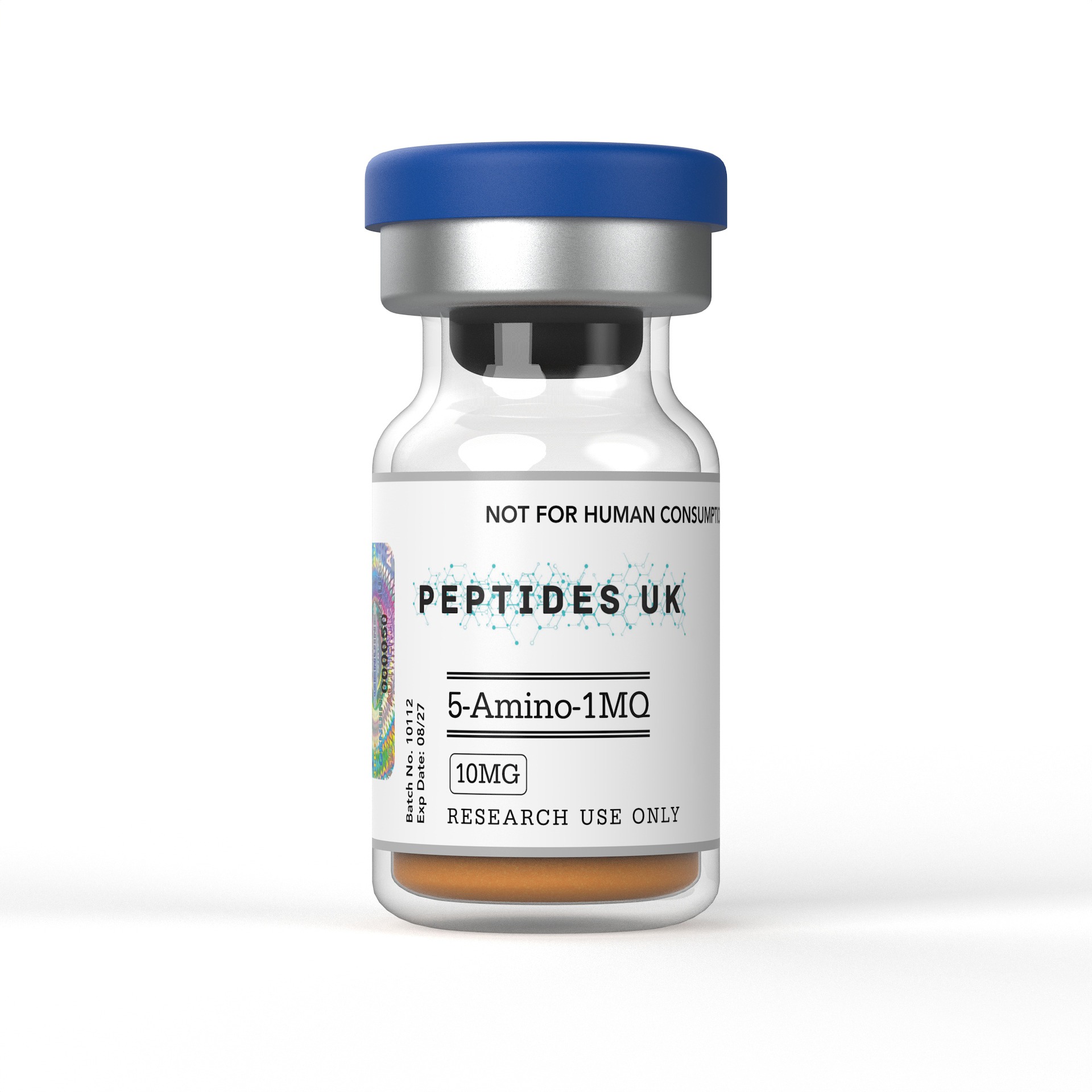
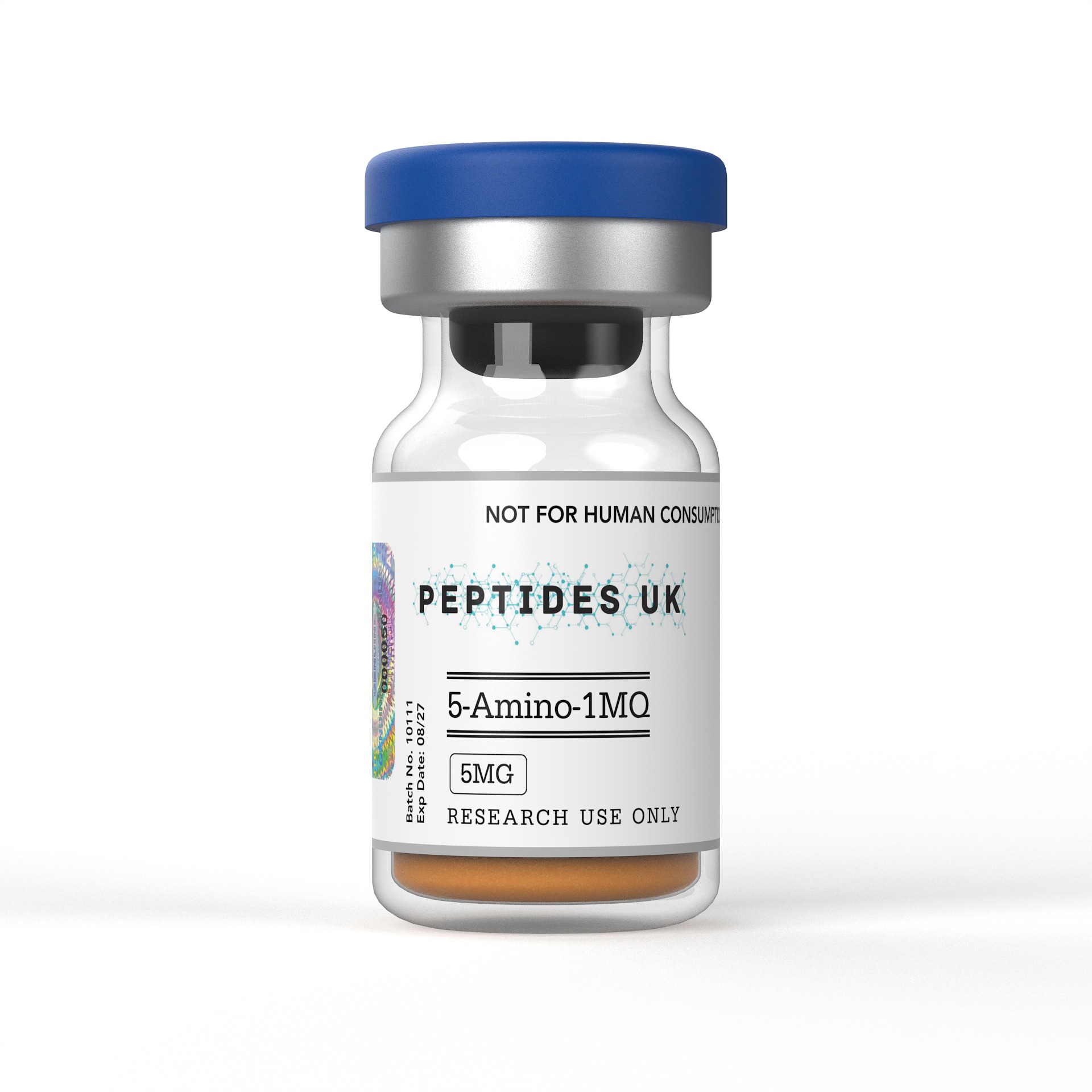
€18.50 – €34.00Price range: €18.50 through €34.00
Buy 5-Amino-1MQ in Ireland – In Stock & Ready to Ship
5-Amino-1MQ is a widely researched compound known for its role in metabolic function and cellular energy studies. Each batch is independently verified at ≥99% purity and comes with a full Certificate of Analysis (COA) and HPLC testing documentation — giving Ireland research teams the confidence they need when sourcing compounds for serious work.
For research use only. Not intended for human or veterinary use.


5-Amino-1MQ (5-Amino-1-methylquinolinium) is a potent, selective small molecule inhibitor of NNMT (nicotinamide N-methyltransferase) — one of the most significant emerging compounds in metabolic research, fat cell biology, and NAD⁺ pathway science — available to buy in Ireland with fast dispatch and full batch documentation included.
5-Amino-1MQ blocks NNMT — an enzyme that diverts the NAD⁺ precursor 1-methylnicotinamide away from cellular energy metabolism and has been found to be significantly overexpressed in obese and metabolically dysfunctional adipose tissue — producing downstream effects on fat cell differentiation, adipocyte metabolism, NAD⁺ availability, and energy expenditure that have made it one of the most actively investigated compounds in adipose biology and metabolic disease research. Researchers and institutions across Ireland can source verified, research-grade 5-Amino-1MQ directly from our Irish supply, with domestic-speed dispatch and complete batch documentation.
✅ ≥99% Purity — HPLC & Mass Spectrometry Verified
✅ Batch-Specific Certificate of Analysis (CoA) Included
✅ Sterile Lyophilised Powder | GMP Manufactured
✅ Fast Dispatch to Ireland | Peptides Ireland Stock
5-Amino-1MQ (5-Amino-1-methylquinolinium) is a small molecule compound developed as a highly selective and cell-permeable inhibitor of NNMT — nicotinamide N-methyltransferase — an enzyme that catalyses the methylation of nicotinamide (a form of vitamin B3 and NAD⁺ precursor) to produce 1-methylnicotinamide (1-MNA), using S-adenosylmethionine (SAM) as the methyl donor.
Understanding why NNMT matters is central to understanding what makes 5-Amino-1MQ significant in research. NNMT sits at the intersection of two critical metabolic pathways — the NAD⁺ biosynthesis pathway and the methionine cycle — and its activity has consequences for both. When NNMT is overactive, it diverts nicotinamide away from NAD⁺ production, reducing cellular NAD⁺ availability and the activity of NAD⁺-dependent enzymes including sirtuins and PARP. Simultaneously, its consumption of SAM methyl groups depletes the methyl pool available for epigenetic and metabolic methylation reactions — creating a dual metabolic drain on two of the most important regulatory systems in cell biology.
Critically, NNMT expression is markedly elevated in adipose tissue in obesity — with research establishing that NNMT overexpression in fat cells drives a pro-obesity metabolic programme including increased fat cell differentiation, reduced energy expenditure, and suppressed NAD⁺-sirtuin signalling. By selectively inhibiting NNMT, 5-Amino-1MQ is studied for its ability to reverse this programme — redirecting nicotinamide towards NAD⁺ production, restoring methyl pool availability, and shifting adipocyte metabolism towards a less lipogenic and more energetically active phenotype.
5-Amino-1MQ was specifically designed for cell permeability and NNMT selectivity — making it the most pharmacologically relevant and widely used NNMT inhibitor research tool currently available.
In controlled laboratory and pre-clinical settings, 5-Amino-1MQ is studied across a wide range of metabolic, adipose biology, NAD⁺ pathway, and cellular research applications:
NNMT Inhibition Research — 5-Amino-1MQ’s defining research application is the selective inhibition of NNMT — allowing researchers to study the consequences of blocking NNMT activity in adipocytes, other metabolic cell types, and whole-organism pre-clinical models. Studies have characterised 5-Amino-1MQ’s binding to NNMT, its selectivity profile against related methyltransferases, its cell permeability, and the downstream biochemical consequences of NNMT inhibition — establishing it as the gold-standard pharmacological tool for NNMT biology research.
NAD⁺ Pathway and Sirtuin Research — By blocking NNMT-mediated diversion of nicotinamide, 5-Amino-1MQ increases the availability of nicotinamide for NAD⁺ biosynthesis — raising cellular NAD⁺ levels and enhancing the activity of NAD⁺-dependent enzymes including SIRT1 and other sirtuins. Research has examined how 5-Amino-1MQ-driven NAD⁺ elevation affects sirtuin-dependent metabolic regulation — including mitochondrial biogenesis, fatty acid oxidation, and metabolic gene expression — positioning it as a research tool for studying NAD⁺ biology through a novel upstream enzyme inhibition approach distinct from direct NAD⁺ precursor supplementation.
Adipocyte Biology and Fat Cell Differentiation Research — 5-Amino-1MQ has been studied extensively in adipocyte cell models — with research examining how NNMT inhibition affects pre-adipocyte differentiation into mature fat cells, lipid accumulation in differentiated adipocytes, and the expression of adipogenic transcription factors including PPARγ and C/EBPα. Studies have documented that NNMT inhibition suppresses adipogenesis — the formation of new fat cells — making 5-Amino-1MQ a research tool for studying the molecular regulation of fat cell development.
Obesity and Fat Mass Research — Pre-clinical obesity studies have examined 5-Amino-1MQ’s effects on body weight, fat mass, and metabolic parameters in diet-induced obesity models — with research documenting reductions in fat mass and improvements in metabolic profiles following treatment, attributed to NNMT inhibition-driven changes in adipose tissue metabolism and energy expenditure.
Energy Expenditure Research — Studies have examined how 5-Amino-1MQ affects whole-body energy expenditure in pre-clinical models — with research documenting increased metabolic rate and oxygen consumption consistent with NNMT inhibition-driven enhancement of adipocyte mitochondrial activity and reduced lipogenic gene programme activity in treated animals.
Methionine Cycle and Epigenetic Research — NNMT’s consumption of SAM methyl groups connects it to the methionine cycle and cellular methylation biology — and 5-Amino-1MQ is studied as a tool for examining how NNMT inhibition affects SAM availability, methylation capacity, and downstream epigenetic modifications including histone methylation patterns that regulate metabolic gene expression in adipose tissue.
Muscle and Lean Mass Research — Beyond adipose tissue, studies have examined 5-Amino-1MQ’s effects on lean mass in pre-clinical obesity models — with research suggesting that fat mass reduction with NNMT inhibition may be accompanied by relative preservation or improvement in lean tissue, contributing to research on body composition regulation through NNMT biology.
Longevity and Ageing Research — NNMT activity increases with age and contributes to the age-related decline in NAD⁺ levels that has been extensively studied in longevity biology. Research has begun examining 5-Amino-1MQ in the context of metabolic ageing — studying whether NNMT inhibition can restore NAD⁺ availability and sirtuin activity in aged tissues in ways that complement direct NAD⁺ precursor approaches such as NMN or NR supplementation.
Metabolic Disease and Insulin Sensitivity Research — Studies have examined 5-Amino-1MQ’s effects on insulin sensitivity and glucose metabolism in metabolically compromised pre-clinical models — with research exploring whether NNMT inhibition-driven improvements in adipose tissue metabolism translate into broader improvements in systemic insulin sensitivity and glucose regulation.
Cancer Metabolism Research — NNMT is overexpressed in multiple cancer types and has been studied as a potential metabolic vulnerability in tumour biology. Research has examined 5-Amino-1MQ in cancer cell models to study how NNMT inhibition affects cancer cell metabolism, proliferation, and the metabolic reprogramming that supports tumour growth — contributing to the broader understanding of NNMT’s role in pathological metabolic states beyond obesity.
5-Amino-1MQ has a compelling and rapidly growing pre-clinical research profile centred on NNMT biology and metabolic disease:
Selective NNMT Inhibition Confirmed — Biochemical studies have confirmed that 5-Amino-1MQ is a potent and selective inhibitor of NNMT with good cell permeability — with selectivity profiling documenting minimal activity against closely related methyltransferases at research concentrations, establishing it as the most pharmacologically clean NNMT inhibitor tool currently available for cellular and pre-clinical research.
NAD⁺ Elevation in Cell Models — Cell-based studies have confirmed that 5-Amino-1MQ treatment raises intracellular NAD⁺ levels in adipocytes and other cell types — consistent with the proposed mechanism of redirecting nicotinamide from NNMT-mediated methylation towards NAD⁺ biosynthesis — and that this NAD⁺ elevation is accompanied by increased sirtuin activity in treated cells.
Suppression of Adipogenesis Documented — Studies in pre-adipocyte cell models have reported that 5-Amino-1MQ treatment suppresses differentiation into mature adipocytes — with research documenting reduced lipid accumulation, decreased expression of adipogenic markers, and altered transcription factor activity consistent with NNMT inhibition shifting the adipogenic programme towards a less lipid-accumulating phenotype.
Significant Fat Mass Reduction in Pre-Clinical Obesity Models — Pre-clinical diet-induced obesity studies have reported significant reductions in fat mass in 5-Amino-1MQ-treated animals compared to controls — with improvements in body composition, metabolic parameters, and energy expenditure documented alongside the fat mass reductions, establishing adipose tissue as the primary target tissue for 5-Amino-1MQ’s metabolic effects.
Lean Mass Preservation — Pre-clinical studies have reported that fat mass reduction with 5-Amino-1MQ treatment is accompanied by relative preservation of lean mass — a body composition profile that distinguishes NNMT inhibition-driven fat loss from caloric restriction-induced weight loss, which typically involves proportional lean mass reduction alongside fat loss.
Increased Energy Expenditure Confirmed — Metabolic cage studies in pre-clinical models have documented increased oxygen consumption and energy expenditure in 5-Amino-1MQ-treated animals — consistent with NNMT inhibition driving a more metabolically active adipose tissue phenotype and contributing to the observed fat mass reductions through increased energy utilisation rather than reduced food intake alone.
NNMT Overexpression in Obesity Established — Research has firmly established that NNMT is significantly overexpressed in adipose tissue in obesity — in both pre-clinical models and human adipose tissue samples — providing the biological rationale for 5-Amino-1MQ’s research relevance and positioning NNMT inhibition as a pharmacologically logical approach to studying obesity-associated adipose tissue metabolic dysfunction.
| Feature | 5-Amino-1MQ | NMN | SLU-PP-332 | Metformin |
|---|---|---|---|---|
| Type | Small molecule NNMT inhibitor | NAD⁺ precursor nucleotide | Pan-ERR nuclear receptor agonist | Biguanide AMPK activator |
| Primary Target | NNMT enzyme | NAD⁺ biosynthesis (via NMN→NAD⁺) | ERRα / ERRβ / ERRγ | AMPK / mitochondrial complex I |
| NAD⁺ Mechanism | Upstream — blocks NAD⁺ precursor diversion | Direct precursor supplementation | Indirect — ERR-driven mitochondrial upregulation | Indirect — AMPK-mediated |
| Primary Research Area | Adipose biology / NNMT / obesity / NAD⁺ | NAD⁺ biology / ageing / metabolism | Exercise mimetic / mitochondrial biogenesis | Metabolic disease / glucose / AMPK |
| Fat Mass Research | Direct — adipocyte biology primary target | Indirect — metabolic improvement | Indirect — energy expenditure increase | Indirect — metabolic improvement |
| Adipogenesis Research | Yes — direct suppression documented | Limited | Limited | Limited |
| Key Distinction | Only selective NNMT inhibitor research tool | Gold standard NAD⁺ precursor | Most complete exercise transcriptome tool | Most clinically validated AMPK activator |
5-Amino-1MQ is the only research compound that targets NNMT — giving it a completely unique mechanistic position in metabolic research that is complementary to rather than overlapping with NAD⁺ precursor supplementation, exercise mimetics, or AMPK activators.
| Parameter | Detail |
|---|---|
| Name | 5-Amino-1MQ |
| Full Name | 5-Amino-1-methylquinolinium |
| Type | Small molecule NNMT inhibitor |
| Primary Target | Nicotinamide N-methyltransferase (NNMT) |
| Mechanism | NNMT inhibition → NAD⁺ precursor redirection → NAD⁺ elevation / methyl pool restoration |
| Key Research Areas | Adipose biology / obesity / NAD⁺ pathway / metabolic disease / ageing |
| Purity | ≥99% HPLC & MS Verified |
| Form | Sterile Lyophilised Powder |
| Solubility | Sterile water, PBS, DMSO |
| Storage (Powder) | -20°C, protect from light |
| Storage (Reconstituted) | -20°C, use promptly after thawing |
| Manufacturing | GMP Manufactured |
Every order of 5-Amino-1MQ in Ireland includes:
✅ Batch-Specific Certificate of Analysis (CoA)
✅ HPLC Chromatogram
✅ Mass Spectrometry Confirmation
✅ Sterility & Endotoxin Testing Report
✅ Reconstitution Protocol
✅ Technical Research Support
Can I buy 5-Amino-1MQ in Ireland? Yes — we supply research-grade 5-Amino-1MQ to researchers and institutions across Ireland with fast dispatch and full batch documentation. This compound is supplied strictly for laboratory research purposes only.
What is 5-Amino-1MQ and what makes it significant in research? 5-Amino-1MQ is a selective small molecule inhibitor of NNMT — nicotinamide N-methyltransferase — an enzyme significantly overexpressed in obese adipose tissue that diverts NAD⁺ precursors away from cellular energy metabolism. By blocking NNMT, 5-Amino-1MQ redirects nicotinamide towards NAD⁺ production, restores methyl pool availability, suppresses adipogenesis, and shifts adipocyte metabolism towards a less lipogenic phenotype — making it a uniquely targeted research tool for studying the intersection of NAD⁺ biology, fat cell metabolism, and obesity at the enzyme level.
How does 5-Amino-1MQ differ from NMN or NR as an NAD⁺ research tool? NMN and NR are NAD⁺ precursors — they raise NAD⁺ levels by providing additional substrate for NAD⁺ biosynthesis. 5-Amino-1MQ raises NAD⁺ levels by a completely different mechanism — blocking NNMT, the enzyme that diverts nicotinamide away from NAD⁺ production in the first place. This upstream enzyme inhibition approach is mechanistically distinct from precursor supplementation and particularly relevant to metabolically dysfunctional adipose tissue where NNMT overexpression is the primary driver of NAD⁺ deficiency — making 5-Amino-1MQ and NMN/NR complementary rather than equivalent research tools for NAD⁺ biology.
Why is NNMT particularly relevant to obesity research? NNMT expression is markedly elevated in adipose tissue in obesity — in both pre-clinical models and human fat tissue samples. This NNMT overexpression drives a pro-obesity metabolic programme by simultaneously depleting NAD⁺ availability, suppressing sirtuin activity, and draining the SAM methyl pool — creating a metabolic environment that promotes fat cell formation and reduces energy expenditure. This established connection between NNMT overexpression and adipose metabolic dysfunction is the biological foundation for 5-Amino-1MQ’s research relevance in obesity biology.
Does 5-Amino-1MQ affect lean mass as well as fat mass in research? Pre-clinical studies have reported that fat mass reduction with 5-Amino-1MQ treatment is accompanied by relative preservation of lean mass — a body composition profile that distinguishes NNMT inhibition from caloric restriction, which typically reduces both fat and lean mass proportionally. This lean mass preservation alongside fat mass reduction has been one of the noted findings in the 5-Amino-1MQ pre-clinical obesity literature, though the full mechanistic basis of this effect remains an active area of research.
What purity is recommended for 5-Amino-1MQ research? ≥99% purity is strongly recommended for NNMT inhibition assays, NAD⁺ quantification studies, adipocyte cell models, and in vivo pre-clinical metabolic research where compound quality directly affects inhibitory potency and reproducibility. All 5-Amino-1MQ Ireland stock is independently verified to ≥99%.
How do I reconstitute 5-Amino-1MQ for laboratory use? 5-Amino-1MQ has good aqueous solubility and can be reconstituted in sterile water or PBS for most research applications — add solvent slowly down the inside wall of the vial and swirl gently without shaking. If a higher concentration stock is required, DMSO can be used as an initial dissolution vehicle before dilution into aqueous working buffer — keep DMSO below 0.1% in final cell-based assay solutions. Store reconstituted solutions at -20°C protected from light and avoid repeated freeze-thaw cycles to preserve compound integrity and biological activity.
5-Amino-1MQ is supplied exclusively for legitimate scientific research purposes conducted within licensed laboratory environments. This product is not intended for human consumption, self-administration, or any therapeutic application. It must be handled by qualified researchers in compliance with applicable Irish and EU regulations and institutional ethics guidelines. By purchasing, you confirm that this compound will be used solely for approved in-vitro or pre-clinical research purposes.
WhatsApp us
Receive News
