
PRODUCTS SOLD ON PEPTIDESLABIRELAND.COM ARE FOR RESEARCH PURPOSES ONLY AND ARE NOT FOR HUMAN OR VETERINARY USE.
Fast Ireland delivery — dispatched to Dublin, Cork, Galway, Limerick and nationwide.
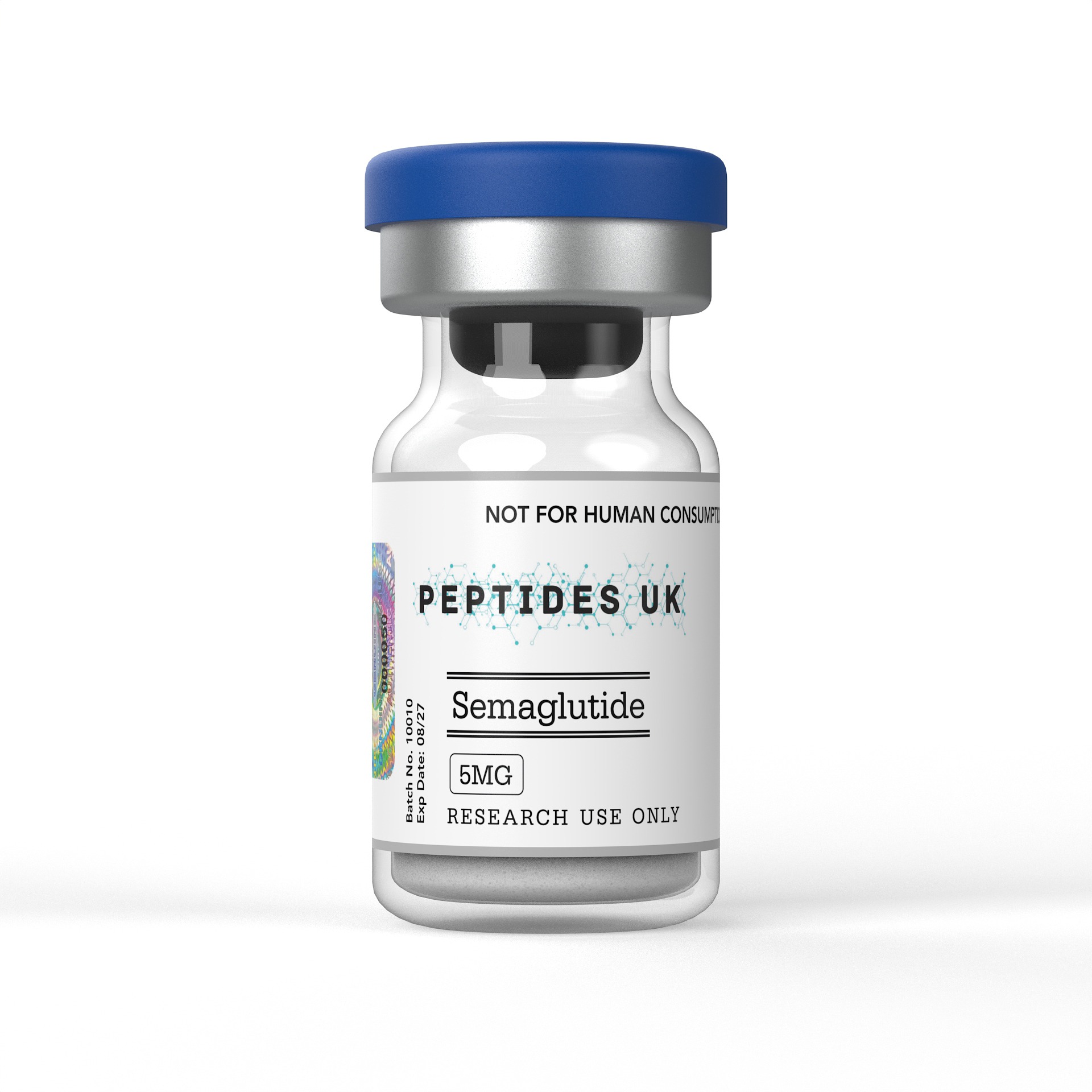
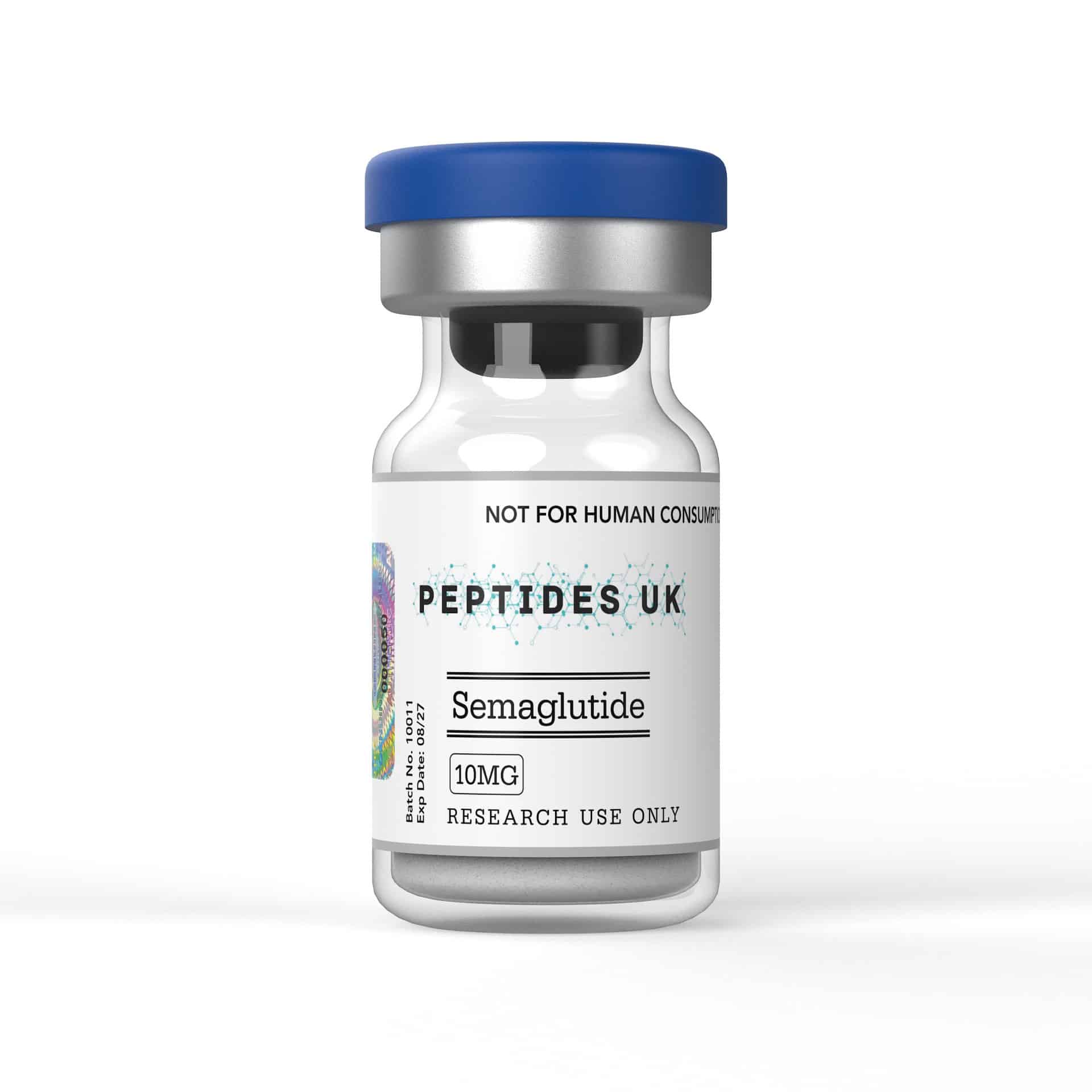
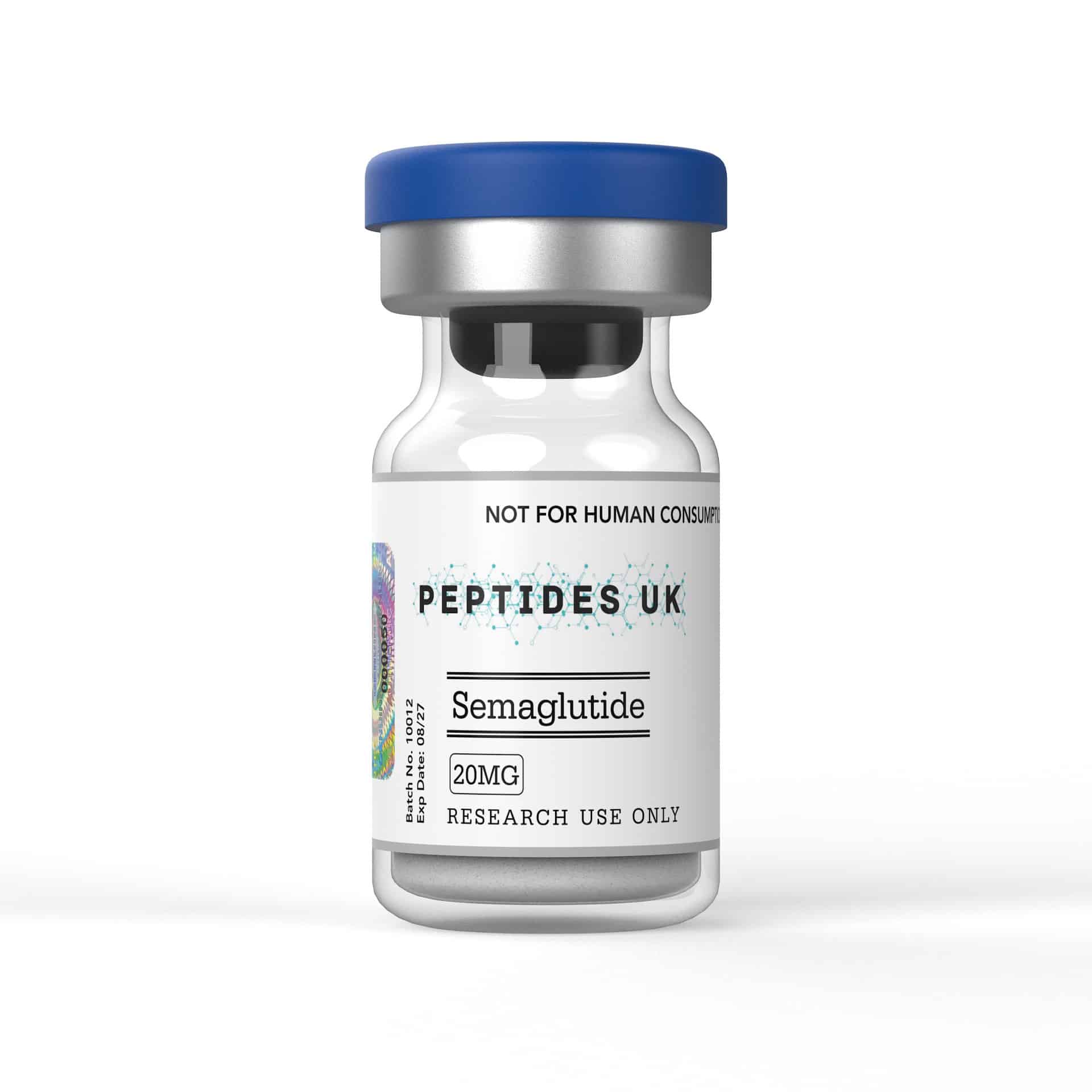
€68.00 – €172.00Price range: €68.00 through €172.00
Semaglutide — synthetic 31 amino acid GLP-1 receptor mono-agonist (≈4113.6 Da) used as reference in metabolic and receptor-pharmacology research. HPLC-verified ≥99% purity, batch-tested, per-batch COA. Fast Ireland delivery.
For laboratory research use only. Not for human or veterinary use.

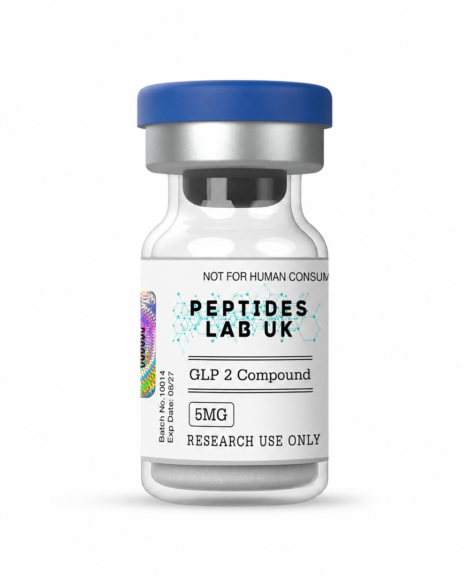
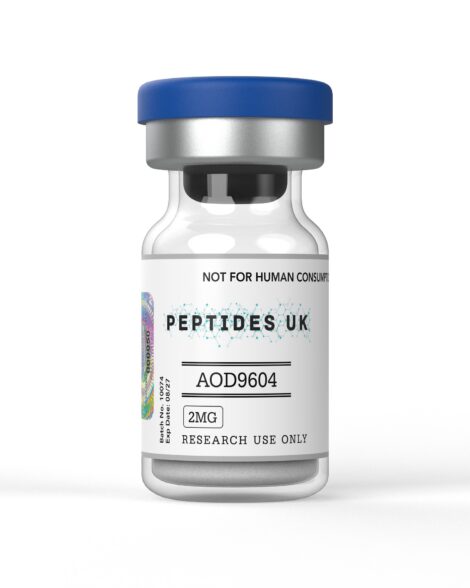
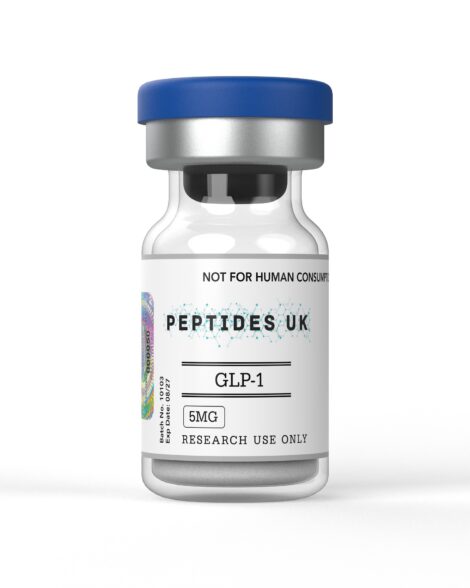
Semaglutide . A synthetic 31-amino acid C18 fatty diacid-conjugated GLP-1 analogue and the most extensively characterised long-acting selective glucagon-like peptide-1 receptor agonist research compound available to laboratories in Ireland and a structurally optimised GLP-1(7-37) analogue incorporating Aib8 substitution for DPP-IV resistance, Arg34Lys substitution eliminating a proteolytic site, and a C18 fatty diacid conjugated via a hydrophilic linker to Lys26 enabling tight reversible albumin binding that produces a circulating half-life of about one week and once-weekly pharmacokinetics activating the GLP-1 receptor through canonical Gs-cAMP-PKA-EPAC2 signal transduction in pancreatic beta cells, hypothalamic appetite-regulating nuclei, brainstem nucleus tractus solitarius, cardiac tissue, and peripheral organs to produce glucose-stimulated insulin secretion potentiation, glucagon suppression, gastric emptying inhibition, pronounced central appetite suppression and body weight reduction, beta cell trophic biology, and cardioprotective signalling . Making it an indispensable research tool for studying long-acting GLP-1R pharmacology and the pharmacokinetic consequences of fatty acid conjugation on incretin receptor biology, the molecular basis of GLP-1R-mediated sustained appetite suppression and clinically significant body weight reduction, GLP-1R biased agonism and receptor internalisation and trafficking biology under chronic long-acting agonist exposure, beta cell trophic and survival biology under sustained GLP-1R stimulation, the cardiovascular biology of long-acting GLP-1R agonism established through major outcome trials, comparative pharmacology of native GLP-1 versus long-acting analogues and dual incretin co-agonists including Tirzepatide, central GLP-1R neurocircuitry mediating appetite suppression and weight loss biology, and the translational biology of the most clinically successful selective GLP-1R agonist in the research context of metabolic disease, obesity, cardiovascular biology, and emerging neurological applications, Researchers and institutions across Ireland can source verified, research-grade Semaglutide directly from our Irish peptide supply, with domestic-speed dispatch and complete batch documentation.
✅ ≥99% Purity , HPLC & Mass Spectrometry Verified
✅ Batch-Specific Certificate of Analysis (CoA) Included
✅ Sterile Lyophilised Powder | GMP Manufactured
✅ Fast Dispatch to Ireland | Peptides Ireland Stock
Semaglutide and a 31-amino acid GLP-1(7-37) analogue with Aib8, Arg34Lys substitutions and C18 fatty diacid conjugation at Lys26 via a hydrophilic mini-PEG linker, developed at Novo Nordisk — is the most clinically successful selective GLP-1 receptor agonist ever developed, having received FDA approval across three distinct indications as Ozempic for type 2 diabetes management, Rybelsus as the first oral GLP-1R agonist formulation for type 2 diabetes, and Wegovy for chronic weight management in obesity , establishing the most extensive clinical validation and human pharmacology dataset of any GLP-1R agonist research compound and positioning Semaglutide as the definitive reference long-acting selective GLP-1R agonist for incretin receptor research, obesity biology, and cardiovascular outcome science. Semaglutide emerged from Novo Nordisk’s systematic GLP-1 analogue optimisation programme as the successor to liraglutide , incorporating structural modifications addressing the three principal pharmacokinetic vulnerabilities of native GLP-1: DPP-IV susceptibility at position 8 addressed by Aib8 alpha-aminoisobutyric acid substitution, proteolytic cleavage at position 34 addressed by Arg34Lys substitution, and the short half-life of unmodified GLP-1 analogues addressed by the C18 fatty diacid conjugation providing tighter albumin binding and longer half-life than liraglutide’s C16 fatty acid, producing the approximately one-week half-life enabling once-weekly subcutaneous administration.
The GLP-1 receptor and GLP-1R and is a class B GPCR expressed at highest density on pancreatic beta cells with expression characterised across hypothalamic arcuate and paraventricular nuclei, brainstem nucleus tractus solitarius, nodose ganglion vagal afferents, cardiac myocytes, endothelial cells, and kidney. Semaglutide’s GLP-1R engagement activates the canonical Gs-cAMP-PKA-EPAC2 signalling cascade , producing glucose-dependent insulin secretory potentiation in beta cells, central appetite suppression through hypothalamic and brainstem GLP-1R-mediated anorexigenic neurocircuit activation, glucagon suppression in alpha cells, gastric emptying inhibition through vagal GLP-1R pathways, and cardioprotective biology through direct cardiac GLP-1R signalling. The C18 fatty diacid-albumin binding mechanism that extends Semaglutide’s half-life to one week also modifies its receptor pharmacology in important ways relative to native GLP-1 , the albumin-bound form of Semaglutide that constitutes the pharmacokinetically relevant circulating species interacts with GLP-1R through a receptor engagement profile influenced by the bulky albumin-fatty acid complex, potentially modifying receptor internalisation kinetics, biased signalling between Gs, Gq/11, and beta-arrestin pathways, and the duration and amplitude of downstream signalling relative to native GLP-1 or shorter-acting analogues.
Semaglutide’s clinical efficacy profile , characterised by HbA1c reductions of 1.5–2.0% and body weight reductions of 10–15% with subcutaneous dosing and up to 17% with the higher-dose Wegovy formulation , represents the highest efficacy achieved by any selective GLP-1R agonist and substantially exceeds the outcomes achieved with liraglutide, exenatide, and earlier GLP-1R agonists. The SUSTAIN cardiovascular outcome trial programme demonstrating significant reduction in major adverse cardiovascular events in type 2 diabetes patients, and the SELECT trial demonstrating cardiovascular event reduction in obese patients without diabetes, have further established Semaglutide as a cardioprotective agent with GLP-1R-mediated cardiovascular biology extending beyond glycaemic and weight management. Emerging research into Semaglutide’s central nervous system biology . Including potential applications in addiction biology, neurodegeneration, and neuroinflammation through central GLP-1R mechanisms . Has broadened the research interest in Semaglutide beyond its established metabolic applications and established it as one of the most pharmacologically significant and broadly relevant research compounds of the current era.
In controlled laboratory and pre-clinical settings, Semaglutide is studied across long-acting GLP-1R pharmacology, sustained incretin biology, central appetite neurocircuitry, beta cell trophic biology, cardiovascular GLP-1R signalling, comparative incretin pharmacology, and an expanding range of neurological and non-metabolic research applications enabled by its central GLP-1R biology:
Semaglutide is the reference long-acting selective GLP-1R agonist for receptor pharmacology research . Used to characterise the pharmacodynamic consequences of C18 fatty diacid-albumin binding on GLP-1R engagement kinetics, receptor activation amplitude and duration, biased agonism profiles across Gs, Gq/11, and beta-arrestin signalling pathways, receptor internalisation and intracellular trafficking dynamics, and GLP-1R recycling versus lysosomal degradation under chronic long-acting agonist exposure. Research uses Semaglutide to establish long-acting GLP-1R activation pharmacodynamic profiles . Characterising how the albumin-bound fatty acid conjugate form of Semaglutide modifies receptor contact geometry, binding kinetics, and downstream signal transduction architecture relative to native GLP-1 and shorter-acting analogues. These long-acting GLP-1R pharmacology studies address fundamental questions about how half-life extension through fatty acid conjugation modifies incretin receptor biology beyond simple pharmacokinetic prolongation . Establishing Semaglutide as the reference compound for studying the receptor pharmacological consequences of GLP-1 analogue structural optimisation.
Semaglutide drives glucose-stimulated insulin secretion through sustained GLP-1R activation in pancreatic beta cells and producing the characteristic incretin biology of cAMP-PKA-EPAC2 pathway activation, KATP channel closure potentiation, L-type calcium channel activation, and calcium-triggered insulin exocytosis enhancement across the about one-week pharmacokinetic window. Research has characterised Semaglutide’s beta cell incretin biology in primary human and rodent islets and beta cell line models — examining sustained cAMP accumulation kinetics under long-acting GLP-1R stimulation, insulin secretion dose-response relationships across glucose concentration ranges establishing glucose-dependency of Semaglutide-driven incretin potentiation, first and second phase insulin secretory responses under chronic GLP-1R occupancy, and the beta cell adaptation responses to sustained versus episodic GLP-1R stimulation. These sustained incretin biology studies have established Semaglutide as the reference long-acting GLP-1R agonist for studying the beta cell pharmacology of chronic incretin receptor occupancy and the adaptation dynamics of insulin secretory machinery under prolonged GLP-1R engagement.
Semaglutide produces the most pronounced central appetite suppression and body weight reduction of any selective GLP-1R agonist establishing it as the reference compound for studying the central GLP-1R neurocircuitry mediating clinically significant weight loss biology. Research has characterised Semaglutide’s central appetite biology examining hypothalamic arcuate nucleus POMC neurone activation, NPY/AgRP suppression, paraventricular nucleus GLP-1R-mediated satiety signalling, nucleus tractus solitarius brainstem GLP-1R appetite integration, the gut-brain axis vagal afferent GLP-1R pathways transmitting peripheral satiety signals to central appetite circuits, and the dose-dependent relationship between GLP-1R occupancy and anorexigenic response magnitude in rodent feeding paradigms. Studies have characterised the neurochemical and circuit-level mechanisms distinguishing Semaglutide’s superior weight-reducing biology from earlier GLP-1R agonists and examining whether higher GLP-1R occupancy, modified biased signalling, or enhanced central nervous system penetration contribute to Semaglutide’s pronounced anorexigenic efficacy. These central appetite neurocircuitry studies have positioned Semaglutide as the primary research tool for studying GLP-1R-mediated obesity biology and the neurobiological basis of pharmacological weight loss.
Semaglutide drives beta cell survival and proliferation through sustained GLP-1R-mediated PI3K-Akt anti-apoptotic signalling, PDX-1 transcription factor activation, and beta cell neogenesis biology , with the one-week pharmacokinetic window of Semaglutide enabling chronic beta cell GLP-1R trophic stimulation paradigms not achievable with shorter-acting incretin research compounds. Research has characterised Semaglutide’s beta cell trophic biology in isolated islet models, beta cell lines, and rodent diabetes models , examining sustained caspase inhibition and Bcl-2 family upregulation protecting against glucolipotoxicity-induced beta cell death under chronic GLP-1R occupancy, proliferation rate increases and beta cell mass preservation in Semaglutide-treated diabetic and pre-diabetic rodent models, and the temporal dynamics of beta cell trophic responses to sustained versus episodic GLP-1R stimulation. These chronic beta cell trophic studies have established Semaglutide as the reference long-acting GLP-1R agonist for studying sustained incretin receptor-driven beta cell mass regulation biology.
Semaglutide’s cardiovascular outcome trial data . SUSTAIN-6 demonstrating significant MACE reduction in type 2 diabetes and SELECT demonstrating cardiovascular event reduction in obese patients without diabetes , has established GLP-1R-mediated cardiovascular protection as a clinically validated biological phenomenon requiring mechanistic pre-clinical characterisation. Research has characterised Semaglutide’s cardiac biology . Examining direct GLP-1R-mediated cardiomyocyte protection through PI3K-Akt and AMPK pro-survival pathway activation in cardiac ischaemia-reperfusion models, endothelial GLP-1R-mediated anti-inflammatory and anti-atherosclerotic biology, the relative contributions of direct cardiac GLP-1R signalling versus systemic metabolic improvements through weight and glucose reduction to cardiovascular outcome benefits, and the mechanistic basis of GLP-1R-mediated plaque stabilisation, endothelial function improvement, and cardiac remodelling attenuation. These cardiovascular biology studies have established Semaglutide as the reference long-acting GLP-1R agonist for studying the cardiovascular pharmacology of chronic incretin receptor activation and the translational mechanistic basis of GLP-1R agonist cardiovascular outcome benefits.
Long-acting GLP-1R agonists including Semaglutide may produce biased agonism and preferential activation of Gs versus Gq/11 versus beta-arrestin signalling pathways , relative to native GLP-1, with the albumin-bound fatty acid conjugate form potentially modifying the receptor contact geometry in ways that favour specific downstream pathway engagement. Research has examined Semaglutide’s biased agonism profile and characterising the relative amplitudes of Gs-cAMP, Gq/11-calcium, and beta-arrestin pathway activation following Semaglutide versus native GLP-1 stimulation, the receptor internalisation kinetics and intracellular trafficking itinerary under chronic Semaglutide occupancy versus episodic native GLP-1 stimulation, and whether Semaglutide’s biased signalling profile contributes to its superior efficacy or modified side-effect biology relative to earlier GLP-1R agonists. These receptor pharmacology studies have contributed to the fundamental question of whether biased agonism is a pharmacologically exploitable variable for next-generation GLP-1R agonist optimisation.
Emerging research has characterised GLP-1R expression in brain regions beyond hypothalamic appetite circuits . Including dopaminergic reward pathways, hippocampal neurogenic zones, prefrontal cortex, and neuroinflammatory microglia , and Semaglutide’s central nervous system biology has expanded into neurological research applications including addiction biology, neurodegeneration, Parkinson’s disease neuroinflammation, and Alzheimer’s disease amyloid biology. Research has examined Semaglutide’s effects on dopaminergic reward circuit biology , characterising attenuation of substance reward responses and addiction-associated behaviours through GLP-1R-mediated dopamine system modulation in the nucleus accumbens and ventral tegmental area , and neuroprotective effects in neurodegenerative models through GLP-1R-mediated neuroinflammation attenuation, microglial activation modulation, and neuroprotective signalling pathway engagement. These emerging neurological biology studies have positioned Semaglutide as a research tool of broad significance extending well beyond its established metabolic applications and established the central GLP-1R as a pharmacologically significant target across neuroscience research domains.
Semaglutide is the essential selective GLP-1R monoagonist reference in comparative studies examining the pharmacological basis of Tirzepatide’s dual GIPR/GLP-1R co-agonism superiority . Enabling direct comparison of selective GLP-1R biology versus dual incretin receptor co-agonism to characterise the additive GIPR contributions to metabolic efficacy exceeding Semaglutide’s GLP-1R-only profile. Research employs Semaglutide alongside Tirzepatide in parallel pharmacodynamic studies , examining beta cell insulin secretion, glucagon suppression, central appetite biology, adipose tissue lipid metabolism, and cardiovascular biology , to establish which biological effects of Tirzepatide exceed Semaglutide’s GLP-1R monoagonism profile and therefore represent genuine GIPR co-agonism additive contributions to the twincretin biological advantage. These comparative studies have established Semaglutide as the GLP-1R monoagonism benchmark in the dual incretin pharmacology research programme.
The SUSTAIN clinical trial programme has documented Semaglutide’s superior glycaemic and weight-reducing efficacy relative to placebo, sitagliptin, exenatide extended-release, insulin glargine, and dulaglutide — establishing Semaglutide as the highest-efficacy selective GLP-1R agonist in comparative clinical pharmacology and providing the translational reference dataset for pre-clinical mechanistic research into the molecular basis of its superior outcomes.
SUSTAIN-6 documented significant reduction in major adverse cardiovascular events in type 2 diabetes patients with established cardiovascular disease, and SELECT documented cardiovascular event reduction in obese patients without diabetes . Establishing GLP-1R-mediated cardiovascular protection as a clinically validated phenomenon and providing the translational impetus for mechanistic pre-clinical cardiovascular GLP-1R biology research using Semaglutide as the reference compound.
Clinical research in STEP trial programme has documented up to 15–17% body weight reduction with high-dose Semaglutide in the Wegovy formulation . The largest body weight reduction documented for any selective GLP-1R agonist and establishing Semaglutide as the reference compound for studying the maximum efficacy boundary of GLP-1R-mediated central appetite suppression and obesity pharmacology.
Research has pharmacokinetically validated Semaglutide’s approximately one-week half-life , documenting C18 fatty diacid-albumin binding kinetics, the albumin-dissociation equilibrium governing free versus bound Semaglutide fractions, renal clearance resistance, DPP-IV resistance of the Aib8 substitution, and the resulting sustained plasma exposure profile enabling once-weekly pharmacokinetics. These pharmacokinetic studies established the molecular basis of Semaglutide’s extended half-life and provided the reference dataset for C18 fatty diacid albumin-binding as the most effective GLP-1 analogue half-life extension strategy.
Research has documented Semaglutide’s beta cell trophic biology — characterising sustained anti-apoptotic protection, beta cell proliferation, and beta cell mass preservation in rodent diabetes models under chronic GLP-1R occupancy. These trophic biology studies established the beta cell preservation pharmacology of long-acting GLP-1R stimulation and provided the mechanistic basis for the clinical observation of improved beta cell function measures in Semaglutide-treated patients.
Research has documented Semaglutide’s neuroprotective effects in rodent neurodegeneration models , characterising reduced neuroinflammation, attenuated dopaminergic neuron loss in Parkinson’s models, and addiction reward circuit modulation through central GLP-1R signalling. These neurological biology studies have established Semaglutide as a research tool of broad CNS significance and contributed to the expanding neurological research programme investigating GLP-1R agonism in neurodegenerative and neuropsychiatric disease contexts.
| Feature | Semaglutide | Native GLP-1 | Liraglutide | Tirzepatide | Exenatide | GIP |
|---|---|---|---|---|---|---|
| Type | C18 fatty diacid GLP-1(7-37) analogue , Aib8, Arg34Lys substituted | Endogenous 30-aa incretin , native sequence | C16 fatty acid GLP-1 analogue , Arg34Lys substituted | 39-aa GIP-based dual GIPR/GLP-1R co-agonist , C20 fatty diacid | Synthetic exendin-4 , DPP-IV resistant GLP-1R agonist | Endogenous 42-aa K-cell incretin |
| Receptor | GLP-1R , selective monoagonism | GLP-1R and selective | GLP-1R . Selective | GIPR + GLP-1R . Balanced dual co-agonism | GLP-1R . Selective | GIPR . Selective |
| Half-Life | ~1 week , C18 fatty diacid tight albumin binding | ~1–2 minutes , DPP-IV labile | ~13 hours and C16 fatty acid albumin binding | ~5 days and C20 fatty diacid albumin binding | ~2.4 hours SC | ~5–7 minutes |
| DPP-IV Resistance | Yes , Aib8 substitution | No , labile | Yes , Arg34Lys | Yes — structural modifications | Yes and exendin-4 native resistance | No , labile |
| GH Release Potency | N/A , incretin mechanism | N/A | N/A | N/A | N/A | N/A |
| Insulin Secretion | Yes and glucose-dependent . Reference long-acting | Yes and reference native | Yes | Yes and additive GIPR + GLP-1R | Yes | Yes and reference GIPR |
| Glucagon Suppression | Yes . Pronounced | Yes | Yes | Yes . GLP-1R driven primarily | Yes | Context-dependent |
| Central Appetite Effect | Pronounced , superior to all GLP-1R monoagonists | Yes , central GLP-1R | Yes . Pronounced | Superior to Semaglutide , dual incretin | Moderate | Limited |
| Body Weight Reduction | 15–17% , highest selective GLP-1R agonist | Transient and half-life limited | 5–8% | Superior to Semaglutide , SURPASS-2 | Moderate | Minimal |
| Cardiovascular Outcomes | Yes and SUSTAIN-6 + SELECT trials | Preclinical data | Yes — LEADER trial | Phase III ongoing | EXSCEL trial , neutral | Limited data |
| CNS Neurological Biology | Yes , emerging neurodegeneration, addiction research | Limited | Limited | Emerging | Limited | Minimal |
| Clinical Approval | Yes and Ozempic + Rybelsus + Wegovy | No | Yes and Victoza + Saxenda | Yes , Mounjaro + Zepbound | Yes and Byetta + Bydureon | No |
| Key Research Distinction | Reference long-acting selective GLP-1R agonist and highest clinical efficacy GLP-1R monoagonist . Cardiovascular outcome validated — emerging CNS biology | Reference endogenous GLP-1R agonist — physiological benchmark | Reference intermediate half-life GLP-1R agonist , C16 fatty acid pharmacokinetics | Defining dual incretin co-agonist . GIPR + GLP-1R synergy and superior to Semaglutide | First approved GLP-1R agonist and DPP-IV resistance exendin scaffold | Reference GIPR agonist and GIP biology |
| Parameter | Detail |
|---|---|
| Name | Semaglutide |
| Also Designated | Ozempic (T2D SC) / Rybelsus (T2D oral) / Wegovy (obesity SC) / NNC9204-0169 / GLP-1 analogue |
| Sequence | Aib8-GLP-1(7-37) with Arg34Lys substitution and C18 fatty diacid conjugated via hydrophilic mini-PEG linker at Lys26 |
| Type | Synthetic 31-Amino Acid Long-Acting GLP-1R Agonist C18 Fatty Diacid Conjugated . Selective GLP-1R Monoagonist , Research Grade |
| Molecular Weight | ~4113.6 Da |
| Structural Modifications | Aib8 DPP-IV resistance / Arg34Lys , proteolytic resistance / C18 fatty diacid-mini-PEG linker at Lys26 and albumin binding → ~1 week half-life |
| Mechanism | GLP-1R Gs-cAMP-PKA/EPAC2 → KATP closure + L-type Ca²⁺ activation + insulin exocytosis + beta cell survival + central appetite suppression + glucagon suppression + gastric emptying inhibition + cardiac cytoprotection and sustained ~1 week pharmacokinetic window |
| Primary Receptor | GLP-1R . Class B GPCR Gs-cAMP primary / beta-arrestin secondary , pancreatic beta cells / hypothalamus / brainstem NTS / cardiac / endothelial |
| Selectivity | GLP-1R selective monoagonist and no GIPR activity , defining reference for GLP-1R-only incretin biology |
| Half-Life | ~1 week . C18 fatty diacid tight albumin binding |
| DPP-IV Resistance | Yes . Aib8 alpha-aminoisobutyric acid substitution at position 8 |
| Clinical Validation | FDA approved , Ozempic (T2D) + Rybelsus (oral T2D) + Wegovy (obesity) , SUSTAIN + STEP + SELECT trial programmes |
| Key Research Distinction | Reference long-acting selective GLP-1R agonist , highest efficacy GLP-1R monoagonist and cardiovascular outcome biology reference central appetite and obesity research standard , comparative GLP-1R monoagonism benchmark versus Tirzepatide dual incretin |
| Primary Research Areas | Long-acting GLP-1R pharmacology / sustained incretin biology / central appetite and obesity neurocircuitry / beta cell trophic biology / cardiovascular GLP-1R biology / GLP-1R biased agonism / receptor trafficking / neurological CNS biology / comparative incretin pharmacology |
| Fatty Acid Conjugation | C18 fatty diacid , tighter albumin binding than liraglutide C16 . Primary half-life determinant |
| Purity | ≥99% HPLC & MS Verified |
| Form | Sterile Lyophilised Powder |
| Solubility | Sterile PBS pH 7.4 with 0.1% BSA carrier . Fatty acid conjugation requires albumin binding for solubility maintenance at low concentrations |
| Storage (Powder) | -20°C, protect from light and moisture |
| Storage (Reconstituted) | -80°C in single-use aliquots . BSA carrier essential and minimise freeze-thaw cycles |
| Manufacturing | GMP Manufactured |
| Intended Use | Research use only |
Semaglutide’s C18 fatty diacid conjugation produces amphipathic character that drives albumin association in aqueous solution , making BSA carrier protein supplementation essential for maintaining Semaglutide in a soluble, receptor-active form at research working concentrations. Reconstitute in sterile PBS pH 7.4 supplemented with 0.1% BSA . The BSA provides albumin binding sites complexing the C18 fatty diacid chain, maintaining Semaglutide in the albumin-bound soluble form that constitutes its pharmacokinetically relevant circulating species and preventing surface adsorption losses and micelle aggregation at sub-micromolar working concentrations. Add the PBS-BSA solution slowly to the lyophilised Semaglutide powder and swirl gently until fully dissolved , the C18 fatty diacid conjugate may require slightly longer dissolution time than unconjugated peptides. Don’t vortex vigorously as this can promote fatty acid conjugate aggregation producing biologically inactive Semaglutide oligomers. For in vitro GLP-1R pharmacology and cell biology studies, prepare working dilutions in serum-free assay medium supplemented with 0.1% BSA . Defined BSA concentration is preferred over variable serum albumin in standard culture media for quantitative dose-response work. For comparative studies with native GLP-1, include DPP-IV inhibitors in all assay buffers when native GLP-1 is included as a comparator to prevent rapid DPP-IV degradation that would confound Semaglutide versus native GLP-1 concentration-response comparisons. For Tirzepatide versus Semaglutide comparative studies, prepare both compounds in matched PBS-BSA vehicles at equivalent molar concentrations and include selective GIPR antagonist controls to confirm GIPR-independent biology of Semaglutide comparator treatments. For neurological CNS biology research, note that Semaglutide has limited blood-brain barrier penetration relative to smaller CNS-active peptides , intracerebroventricular administration routes may be required for studies examining direct central GLP-1R biology independently of peripheral-to-central signalling mechanisms. Store all reconstituted Semaglutide aliquots at -80°C and avoid freeze-thaw cycles that disrupt fatty acid conjugate integrity.
Every order of Semaglutide in Ireland includes:
✅ Batch-Specific Certificate of Analysis (CoA)
✅ HPLC Chromatogram
✅ Mass Spectrometry Confirmation , including C18 fatty diacid conjugation integrity verification and Aib8 substitution confirmation ✅ GLP-1R Activity Report and receptor activation verified in cell-based cAMP assay
✅ Sterility & Endotoxin Testing Report
✅ Reconstitution Protocol , including C18 fatty acid solubility, BSA carrier requirement, comparative study design guidance, and CNS administration notes
✅ Technical Research Support
Yes , research-grade Semaglutide is available to researchers and institutions across Ireland with fast dispatch and full batch documentation. Supplied strictly for laboratory research purposes only.
Three modifications work in combination — Aib8 substitution eliminates DPP-IV cleavage at position 8, Arg34Lys substitution removes a proteolytic cleavage site, and the C18 fatty diacid conjugated via a hydrophilic mini-PEG linker at Lys26 enables tight reversible albumin binding that shields Semaglutide from proteolytic degradation and renal clearance, producing the approximately one-week half-life through albumin’s own pharmacokinetics.
Semaglutide incorporates a C18 fatty diacid versus liraglutide’s C16 fatty acid . Producing tighter albumin binding and longer half-life of one week versus liraglutide’s 13 hours enabling once-weekly versus once-daily dosing. Semaglutide also adds the Aib8 substitution and the hydrophilic mini-PEG linker absent from liraglutide, producing enhanced DPP-IV resistance and modified receptor pharmacology. Clinically, Semaglutide achieves substantially greater weight reduction and HbA1c lowering than liraglutide.
Vehicle controls in matched PBS-BSA buffer, GLP-1R antagonist exendin(9-39) confirming GLP-1R specificity, native GLP-1 with DPP-IV inhibitor as the endogenous receptor agonist reference, liraglutide as an intermediate half-life selective GLP-1R agonist comparator, Tirzepatide for dual incretin co-agonism comparison, and matched BSA-only vehicle controls confirming absence of BSA-intrinsic biological effects. For CNS studies, GLP-1R knockout models or GLP-1R-negative cell lines as receptor-negative controls are essential.
Wegovy’s approval for chronic weight management and the STEP trial programme demonstrating 15–17% body weight reduction . The largest for any selective GLP-1R agonist . Established Semaglutide as the reference pharmacological tool for studying GLP-1R-mediated obesity biology. The magnitude of weight reduction, which approaches surgically achieved outcomes in some patient populations, has established Semaglutide as the primary research compound for investigating the neurobiological and metabolic mechanisms of pharmacological weight loss through central GLP-1R appetite circuit engagement.
GLP-1R expression in dopaminergic reward circuits, hippocampal neurogenic zones, and neuroinflammatory microglia has established central GLP-1R as a pharmacologically significant neurological target. Semaglutide research is expanding into addiction biology , characterising attenuation of reward responses to alcohol, nicotine, and other substances through nucleus accumbens GLP-1R modulation and neurodegeneration , documenting neuroprotective and anti-neuroinflammatory effects in Parkinson’s and Alzheimer’s disease models. These emerging applications have positioned Semaglutide as a research compound of broad neuroscience significance.
≥99% purity by HPLC and mass spectrometry is essential and C18 fatty acid hydrolysis products restoring the unconjugated peptide backbone, Aib8-to-Ala8 epimerisation products restoring DPP-IV sensitivity, linker hydrolysis fragments, and aggregated fatty acid conjugate species would show substantially altered GLP-1R binding kinetics, half-life pharmacokinetics, and downstream signalling profiles confounding quantitative receptor pharmacology and comparative biology studies. C18 fatty diacid conjugation integrity verification and Aib8 substitution confirmation by mass spectrometry are critical specifications beyond standard HPLC purity. All Semaglutide Ireland stock is verified to ≥99% purity with conjugation integrity and substitution confirmed.
Semaglutide is supplied exclusively for legitimate scientific research purposes conducted within licensed laboratory environments. This product isn’t intended for human consumption, self-administration, or any therapeutic application. It must be handled by qualified researchers in compliance with applicable Irish and EU regulations and institutional ethics guidelines. By purchasing, you confirm that this compound will be used solely for approved in vitro or pre-clinical research purposes.
Semaglutide isn’t authorised as a medicine by the HPRA. It’s legal to buy, hold and use as a research chemical for in-vitro laboratory work, and that’s the only use we supply it for. If you want the full regulatory picture, see our Irish researcher’s guide to peptide legality.
Every vial ships with an HPLC purity trace (typically ≥99%), mass-spec identity confirmation, and endotoxin/heavy-metal screening on the batch. The full per-batch Certificate of Analysis is available on request from research@peptideslabireland.com. Our quality system is ISO 9001 certified and third-party testing runs through a UKAS-accredited lab.
Standard protocol: let the Semaglutide vial and your bacteriostatic water come to room temperature, wipe both stoppers with a 70% isopropyl swab, then inject the water slowly down the side wall of the peptide vial. Don’t stream directly onto the powder cake. Swirl gently, don’t shake, and give it five to ten minutes to fully dissolve. Label the vial with compound, concentration and reconstitution date, store at 2–8°C between assays.
Same-day dispatch on orders placed before 2pm on a working day. Delivery is 24–48 hours to any Irish county via An Post Express or DPD. Cold chain is preserved with insulated wrap plus gel pack. No customs step, no border delays , because it never leaves Ireland.
In the Irish research space Semaglutide tends to appear in the pathways described above. It’s often paired with related research compounds when researchers are studying combined mechanisms rather than the compound alone.
Lyophilised Semaglutide is stable at ≤-20°C long-term. Once reconstituted, keep it refrigerated at 2–8°C and use within the working shelf life described on the CoA. Freeze/thaw cycles degrade peptides, so aliquot the reconstituted solution if you plan to run assays over several weeks.


Receive News