PRODUCTS SOLD ON PEPTIDESLABIRELAND.COM ARE FOR RESEARCH PURPOSES ONLY AND ARE NOT FOR HUMAN OR VETERINARY USE.
€206.00
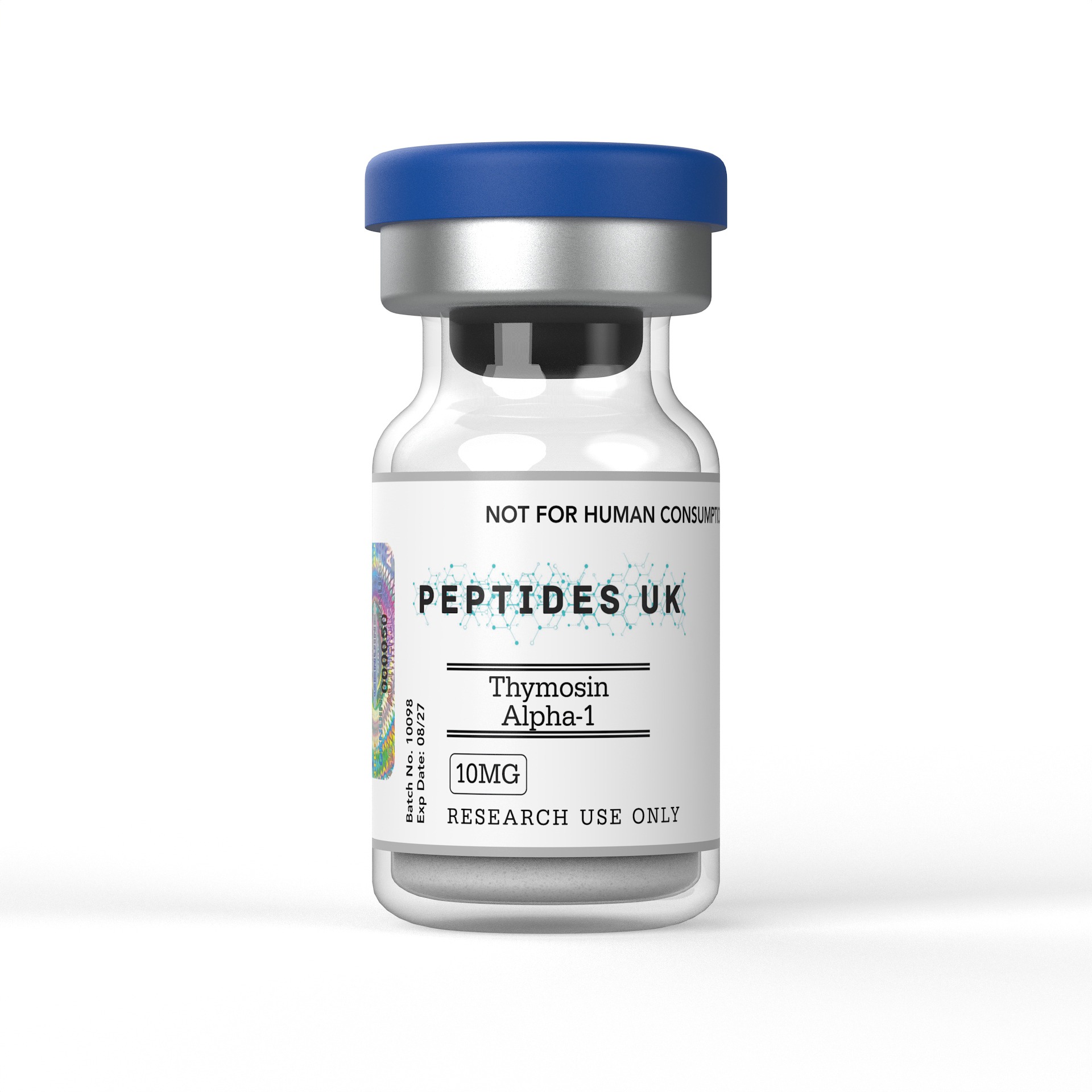
Thymosin Alpha-1 Ireland – Buy Online | In Stock & Ready to Ship
Buy Thymosin Alpha-1 in Ireland with fast shipping and guaranteed ≥99% purity — verified with COA and HPLC documentation. A trusted choice for peptides Ireland research teams rely on, with no customs delays or international wait times. Whether you’re searching for Thymosin Alpha-1 Ireland suppliers or looking to buy peptides Ireland-wide, we have you covered. Irish research teams can count on consistent stock, rapid fulfilment and full batch documentation every time.
For research use only. Not intended for human or veterinary use.


Thymosin Alpha-1 (Tα1) is a naturally occurring 28-amino acid peptide derived from the thymus gland — one of the most extensively clinically studied immunomodulatory peptides in biomedical research, with decades of pre-clinical and clinical data documenting potent immune system regulation, antiviral activity, and anti-tumour immune biology — available to buy in Ireland with fast dispatch and full batch documentation included.
Thymosin Alpha-1 is the most biologically active fraction of Thymosin Fraction 5 — the original thymic peptide extract identified by Allan Goldstein and colleagues at George Washington University in the 1970s — and has since accumulated one of the largest and most clinically substantiated research profiles of any immunomodulatory peptide, with regulatory approval in multiple countries for infectious disease treatment and an extensive ongoing research programme spanning cancer immunology, autoimmune biology, vaccine research, and sepsis. Researchers and institutions across Ireland can source verified, research-grade Thymosin Alpha-1 directly from our Irish peptide supply, with domestic-speed dispatch and complete batch documentation.
✅ ≥99% Purity — HPLC & Mass Spectrometry Verified
✅ Batch-Specific Certificate of Analysis (CoA) Included
✅ Sterile Lyophilised Powder | GMP Manufactured
✅ Fast Dispatch to Ireland | Peptides Ireland Stock
Thymosin Alpha-1 (Tα1) is a 28-amino acid peptide — acetylated at its N-terminus — that is naturally produced in the thymus gland as a cleavage product of the precursor protein prothymosin alpha. It is the most biologically potent and pharmacologically significant peptide identified from the thymosin family — a group of thymic peptides first isolated in the 1960s and 1970s during the systematic characterisation of thymus-derived immune regulatory factors.
The thymus is the organ responsible for T lymphocyte maturation and education — the process by which immature thymocytes develop into functional, self-tolerant T cells capable of mounting effective adaptive immune responses. Thymosin Alpha-1 is a key mediator of this thymic education process — promoting T cell differentiation, maturation, and functional activation — and its biological activity extends beyond the thymus itself to exert direct immunomodulatory effects on mature T cells, dendritic cells, natural killer cells, and innate immune populations in peripheral immune tissues.
Thymosin Alpha-1 acts primarily through Toll-like receptor (TLR) signalling pathways — particularly TLR2 and TLR9 — on dendritic cells and other innate immune cells, driving the maturation and activation of antigen-presenting cells and promoting the polarisation of adaptive immune responses towards effective Th1 and cytotoxic T cell activity. It simultaneously suppresses excessive or dysregulated immune responses — demonstrating a bidirectional immunomodulatory profile that enhances immune competence where it is deficient while restraining pathological immune overactivation where it is excessive.
The synthetic form of Thymosin Alpha-1 — Thymalfasin — has received regulatory approval in more than 35 countries for the treatment of hepatitis B, hepatitis C, and as a vaccine adjuvant, giving it a clinical validation status that very few research peptides possess and providing a translational research context that extends from basic immunology through to human clinical application.
In controlled laboratory, pre-clinical, and clinical research settings, Thymosin Alpha-1 is studied across an exceptionally broad range of immunology, infectious disease, oncology, and vaccine biology research applications:
T Cell Biology and Thymic Research — Thymosin Alpha-1’s foundational research application is the study of T cell maturation, differentiation, and functional activation — the core biological processes for which it was originally characterised. Studies have examined how Tα1 promotes thymocyte development into mature T cell subsets, drives the expression of T cell surface markers and functional competence, and modulates T cell receptor signalling in both thymic and peripheral immune cell contexts — establishing T cell biology as the historical and mechanistic foundation of Thymosin Alpha-1 research.
Dendritic Cell Activation and Maturation Research — Thymosin Alpha-1 activates dendritic cells — the master antigen-presenting cells of the adaptive immune system — through TLR2 and TLR9 signalling, driving dendritic cell maturation, upregulation of co-stimulatory molecules, and enhanced capacity to prime T cell responses. Research has examined how Tα1-driven dendritic cell activation affects the quality, magnitude, and polarisation of subsequent adaptive immune responses — establishing dendritic cell biology as a central mechanistic focus of modern Thymosin Alpha-1 research.
Antiviral Immunity Research — Thymosin Alpha-1 has been extensively studied for antiviral immune activity — with research examining its effects on antiviral T cell responses, natural killer cell cytotoxicity against virally infected cells, interferon production, and the overall antiviral immune competence of the host in pre-clinical viral infection models. Its clinical approval for hepatitis B and C treatment reflects the translational validation of this antiviral immune research profile.
Hepatitis B and C Research — The most clinically substantiated research application of Thymosin Alpha-1 is chronic viral hepatitis — with both pre-clinical mechanistic studies and extensive clinical trial data examining how Tα1 modulates the immune response to hepatitis B and C virus infection, enhances antiviral T cell activity, and affects viral load and disease progression markers. This hepatitis research profile represents the most clinically developed aspect of Thymosin Alpha-1’s immunological research programme.
Cancer Immunology Research — Thymosin Alpha-1 has been extensively studied in cancer immunology — with research examining its ability to enhance anti-tumour immune responses, improve cytotoxic T lymphocyte activity against tumour cells, restore immune competence in immunosuppressed tumour-bearing animals, and modulate the tumour immune microenvironment. Studies have used Tα1 as a tool for studying how thymic peptide-driven immune activation affects tumour immunosurveillance and the anti-tumour immune response in pre-clinical oncology models.
Vaccine Adjuvant Research — Thymosin Alpha-1 has been studied as a vaccine adjuvant — a compound that enhances the immunogenicity of vaccines by boosting the magnitude and quality of the adaptive immune response to vaccine antigens. Research has examined how Tα1 co-administration with various vaccine preparations affects antibody titres, T cell responses, and the durability of vaccine-induced immunity — with clinical data supporting its adjuvant activity in multiple vaccine research contexts.
Sepsis and Critical Illness Research — Sepsis-induced immunosuppression — the profound immune dysfunction that develops in the late phase of sepsis and contributes to secondary infections and mortality — has emerged as a significant research area for Thymosin Alpha-1. Studies have examined how Tα1 restores immune cell function in sepsis models, reduces sepsis-induced lymphocyte apoptosis, and affects outcomes in pre-clinical sepsis research — generating interest in its potential to reverse the immunoparalysis that characterises late-phase sepsis biology.
Toll-Like Receptor Signalling Research — Thymosin Alpha-1’s mechanism of immune activation through TLR2 and TLR9 signalling has made it a research tool for studying Toll-like receptor biology — examining how TLR pathway activation by Tα1 drives innate immune cell maturation, cytokine production, and the innate-to-adaptive immune response transition. This TLR signalling research application positions Tα1 within the broader field of innate immune pattern recognition biology.
Autoimmune Disease Research — Thymosin Alpha-1’s bidirectional immunomodulatory profile — enhancing immune competence where deficient while restraining pathological overactivation — has generated research interest in autoimmune disease contexts. Studies have examined Tα1 in pre-clinical autoimmune models — exploring how thymic peptide-driven immune regulation affects the balance between effector and regulatory T cell populations and the severity of autoimmune pathology in inflammatory disease models.
COVID-19 and Respiratory Virus Research — Thymosin Alpha-1 was studied in the context of COVID-19 — with research examining its immunomodulatory effects in COVID-19 patient populations and pre-clinical coronavirus models, contributing to the understanding of how thymic peptide-driven immune regulation affects the immune response to novel respiratory virus infection and the pathological immune dysregulation associated with severe COVID-19.
Ageing and Immunosenescence Research — The thymus involutes progressively with age — losing functional tissue and reducing T cell output — and this thymic ageing is a central driver of immunosenescence, the age-related decline in immune function. Thymosin Alpha-1 has been studied in the context of immune ageing — examining whether thymic peptide supplementation can restore aspects of immune competence in aged pre-clinical models and contributing to research on the relationship between thymic biology and the immune decline associated with ageing.
Immune Deficiency and Immunorestoration Research — Thymosin Alpha-1 has been studied in models of immune deficiency — including chemotherapy-induced immunosuppression, HIV-associated immune decline, and primary immune deficiency models — examining its ability to restore T cell populations, immune functional competence, and resistance to opportunistic infection in immunocompromised research contexts.
Thymosin Alpha-1 has one of the most extensive and clinically substantiated research profiles of any immunomodulatory peptide in biomedical science:
T Cell and Dendritic Cell Activation Consistently Documented — Decades of cell-based and pre-clinical research have consistently confirmed Thymosin Alpha-1’s ability to activate T cells and dendritic cells — with studies documenting upregulation of T cell surface markers, enhanced T cell proliferative responses, dendritic cell maturation through TLR2/9 signalling, and increased co-stimulatory molecule expression across multiple immune cell model systems. These foundational immunobiological effects represent the most consistently replicated findings in the Thymosin Alpha-1 research literature.
Clinical Efficacy in Hepatitis Research — Multiple randomised controlled trials have examined Thymosin Alpha-1 in chronic hepatitis B and C — with clinical data reporting improvements in sustained virological response rates, seroconversion, and liver function parameters in Tα1-treated patient groups compared to controls in several trial programmes. This clinical hepatitis data represents the most thoroughly validated application in the Thymosin Alpha-1 research literature and the basis for its regulatory approval in over 35 countries.
Anti-Tumour Immune Enhancement in Pre-Clinical Models — Pre-clinical oncology studies have documented Thymosin Alpha-1’s ability to enhance anti-tumour immune responses — with research reporting increased cytotoxic T lymphocyte activity, improved natural killer cell function, restoration of immune competence in tumour-bearing animals, and modifications in tumour growth parameters in Tα1-treated pre-clinical oncology models across multiple tumour types.
Vaccine Adjuvant Activity Confirmed — Clinical and pre-clinical vaccine research has confirmed Thymosin Alpha-1’s adjuvant activity — with studies documenting enhanced antibody titres, improved T cell responses, and greater vaccine immunogenicity in Tα1-adjuvanted vaccine preparations compared to antigen alone, supporting its research and clinical use as an immunological adjuvant in multiple vaccine contexts.
Sepsis Immunorestoration Data — Pre-clinical and early clinical sepsis research has documented Thymosin Alpha-1’s ability to reverse sepsis-induced immune dysfunction — with studies reporting restoration of lymphocyte function, reduction of sepsis-induced lymphocyte apoptosis, and improvements in immune parameters and outcome measures in sepsis model systems, positioning Tα1 as one of the most relevant research tools for studying immunorestoration in sepsis biology.
COVID-19 Clinical Research — Clinical studies examining Thymosin Alpha-1 in COVID-19 patient populations reported beneficial effects on immune parameters and clinical outcomes in some patient subgroups — generating significant research interest in thymic peptide-based immune modulation as a strategy for managing the immune dysregulation of severe respiratory virus infection and contributing to the most recent major clinical research chapter in the Thymosin Alpha-1 literature.
Immunosenescence Reversal in Aged Models — Pre-clinical ageing studies have reported improvements in immune parameters — including T cell subset composition, lymphocyte functional responses, and resistance to infection — in Thymosin Alpha-1-treated aged animals compared to untreated aged controls, supporting the biological rationale for studying Tα1 in the context of age-related immune decline and thymic involution.
Regulatory Approval in 35+ Countries — Thymosin Alpha-1 (as Thymalfasin) has received regulatory approval for clinical use in more than 35 countries — for hepatitis B, hepatitis C, and vaccine adjuvant applications — a level of clinical validation and regulatory acceptance that is possessed by very few research peptides and that provides exceptional translational context for laboratory research conducted with this compound.
| Feature | Thymosin Alpha-1 | Thymosin Beta-4 / TB-500 | VIP | LL-37 |
|---|---|---|---|---|
| Origin | Thymus gland — prothymosin alpha cleavage product | Ubiquitous — actin-sequestering peptide | Nervous system / gut neuropeptide | Cathelicidin antimicrobial peptide |
| Primary Immune Mechanism | T cell / dendritic cell activation — TLR2/9 signalling | Anti-inflammatory — cytokine suppression | NF-κB suppression / Treg promotion / anti-inflammatory | Antimicrobial / innate immune activation |
| Immune Enhancement | Very High — primary biological activity | Moderate — anti-inflammatory dominant | Moderate — immunosuppressive dominant | High — innate immune activation |
| Immunosuppressive Activity | Bidirectional — enhances and restrains as needed | Moderate | High — anti-inflammatory | Low |
| Clinical Approval | Yes — hepatitis B/C / vaccine adjuvant — 35+ countries | No | No | No |
| Cancer Immunology | Very High — anti-tumour immune research | Low | Moderate | Moderate |
| Antiviral Research | Very High — primary clinical application | Low | Low | Moderate |
| Vaccine Research | Very High — adjuvant activity confirmed | Low | Low | Low |
| Sepsis Research | Very High — immunorestoration data | Low | Moderate | Moderate |
| Key Research Distinction | Only thymic peptide with regulatory approval and extensive clinical database | Primary tissue repair and angiogenesis tool | Most studied neuropeptide immunomodulator | Most studied cathelicidin antimicrobial |
Thymosin Alpha-1 is irreplaceable in immunological research as the only thymic peptide combining direct T cell and dendritic cell activation, TLR-mediated innate immune stimulation, regulatory approval in over 35 countries, and an extensive clinical trial database spanning infectious disease, oncology, and vaccine biology — giving it a translational research depth that no other immunomodulatory peptide currently matches.
| Parameter | Detail |
|---|---|
| Name | Thymosin Alpha-1 (Tα1) |
| Also Known As | Thymalfasin (clinical/regulatory name) |
| Length | 28 amino acids |
| N-Terminus | Acetylated |
| Origin | Naturally derived from thymus — prothymosin alpha cleavage product |
| Supplied As | Synthetic research-grade peptide |
| Primary Mechanism | TLR2/TLR9 signalling / T cell and dendritic cell activation / immune modulation |
| Key Research Areas | Immunology / antiviral / cancer immunology / vaccine / sepsis / ageing |
| Clinical Status | Approved in 35+ countries as Thymalfasin |
| Purity | ≥99% HPLC & MS Verified |
| Form | Sterile Lyophilised Powder |
| Solubility | Sterile water, bacteriostatic water, PBS |
| Storage (Powder) | -20°C, protect from light |
| Storage (Reconstituted) | 2–8°C, use promptly or aliquot at -80°C |
| Manufacturing | GMP Manufactured |
Every order of Thymosin Alpha-1 in Ireland includes:
✅ Batch-Specific Certificate of Analysis (CoA)
✅ HPLC Chromatogram
✅ Mass Spectrometry Confirmation
✅ Sterility & Endotoxin Testing Report
✅ Reconstitution Protocol
✅ Technical Research Support
Can I buy Thymosin Alpha-1 in Ireland? Yes — we supply research-grade Thymosin Alpha-1 to researchers and institutions across Ireland with fast dispatch and full batch documentation. This compound is supplied strictly for laboratory research purposes only.
What is Thymosin Alpha-1 and where does it come from? Thymosin Alpha-1 is a naturally occurring 28-amino acid peptide produced in the thymus gland as a cleavage product of the precursor protein prothymosin alpha. It was first isolated and characterised by Allan Goldstein and colleagues during systematic research into thymus-derived immune regulatory factors in the 1970s, and has since been developed as a synthetic clinical compound — Thymalfasin — with regulatory approval in over 35 countries. The research-grade Thymosin Alpha-1 supplied for Ireland researchers is synthetic, produced to ≥99% purity with full analytical verification.
How does Thymosin Alpha-1 modulate the immune system? Thymosin Alpha-1 exerts its primary immunological effects through two complementary mechanisms. First, it activates dendritic cells and other innate immune cells through Toll-like receptor 2 and 9 signalling — driving antigen-presenting cell maturation, upregulation of co-stimulatory molecules, and enhanced capacity to prime adaptive T cell responses. Second, it directly promotes T cell maturation, differentiation, and functional activation — enhancing cytotoxic T lymphocyte activity, Th1 polarisation, and the overall competence of adaptive immune responses. Crucially, Tα1 demonstrates bidirectional immunomodulatory activity — boosting immune responses where they are deficient while restraining pathological overactivation where immune dysregulation is the problem.
What is the clinical approval status of Thymosin Alpha-1? Thymosin Alpha-1 — under the clinical name Thymalfasin — has received regulatory approval in over 35 countries for the treatment of chronic hepatitis B, chronic hepatitis C, and as a vaccine adjuvant. This regulatory approval status is possessed by very few research peptides and reflects decades of clinical trial data establishing biological activity and safety in human populations — providing exceptional translational context for laboratory and pre-clinical research conducted with Thymosin Alpha-1.
Why is Thymosin Alpha-1 relevant to cancer immunology research? Cancer immunology is one of the most active areas of Thymosin Alpha-1 research — driven by its ability to enhance cytotoxic T lymphocyte activity against tumour cells, restore immune competence in immunosuppressed tumour-bearing pre-clinical models, and modulate the tumour immune microenvironment towards more effective anti-tumour immunity. In the context of modern cancer immunotherapy research — where T cell-mediated tumour killing is the central therapeutic strategy — Thymosin Alpha-1’s T cell activating and dendritic cell maturing properties make it a biologically relevant tool for studying how thymic peptide-driven immune enhancement interacts with tumour immunology and immune checkpoint biology.
How does Thymosin Alpha-1 differ from Thymosin Beta-4 / TB-500? Despite sharing the thymosin family name, Thymosin Alpha-1 and Thymosin Beta-4 are completely different peptides with fundamentally different biological roles. Thymosin Alpha-1 is a thymus-derived immunomodulatory peptide — its primary biology is immune system regulation, T cell activation, and antiviral and anti-tumour immunity. Thymosin Beta-4 is a ubiquitous actin-sequestering peptide — its primary biology is tissue repair, angiogenesis, cell migration, and anti-inflammatory signalling. The two compounds share a naming convention from the original thymosin research programme but are mechanistically unrelated and research-application distinct.
What purity is recommended for Thymosin Alpha-1 research? ≥99% purity is strongly recommended for T cell activation assays, dendritic cell maturation studies, TLR signalling research, antiviral immune studies, vaccine adjuvant research, and in vivo pre-clinical immunology models where compound quality directly affects biological activity and reproducibility. All Thymosin Alpha-1 Ireland stock is independently verified to ≥99%.
How do I reconstitute Thymosin Alpha-1 for laboratory use? Allow the vial to reach room temperature before opening. Reconstitute in sterile water or bacteriostatic water by adding solvent slowly down the inside wall of the vial and swirling gently — do not shake. Thymosin Alpha-1 is generally water-soluble at research concentrations and dissolves readily. Use promptly after reconstitution for cell-based and in vitro assays, or aliquot into single-use volumes and store at -80°C to preserve peptide integrity and biological activity across multiple experimental uses. Avoid repeated freeze-thaw cycles.
Thymosin Alpha-1 is supplied exclusively for legitimate scientific research purposes conducted within licensed laboratory environments. This product is not intended for human consumption, self-administration, or any therapeutic application. It must be handled by qualified researchers in compliance with applicable Irish and EU regulations and institutional ethics guidelines. By purchasing, you confirm that this compound will be used solely for approved in-vitro or pre-clinical research purposes.

WhatsApp us
Receive News
