
PRODUCTS SOLD ON PEPTIDESLABIRELAND.COM ARE FOR RESEARCH PURPOSES ONLY AND ARE NOT FOR HUMAN OR VETERINARY USE.
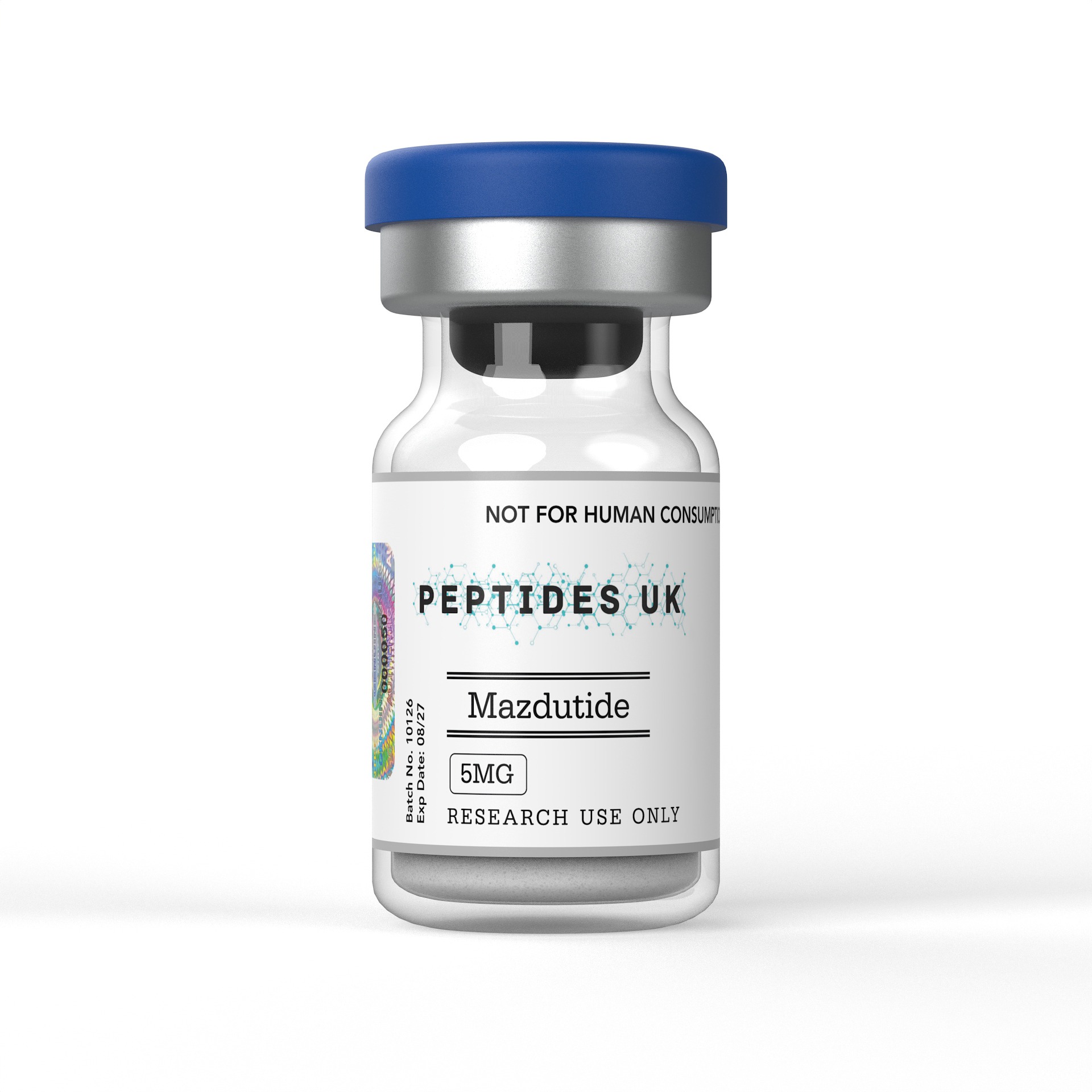
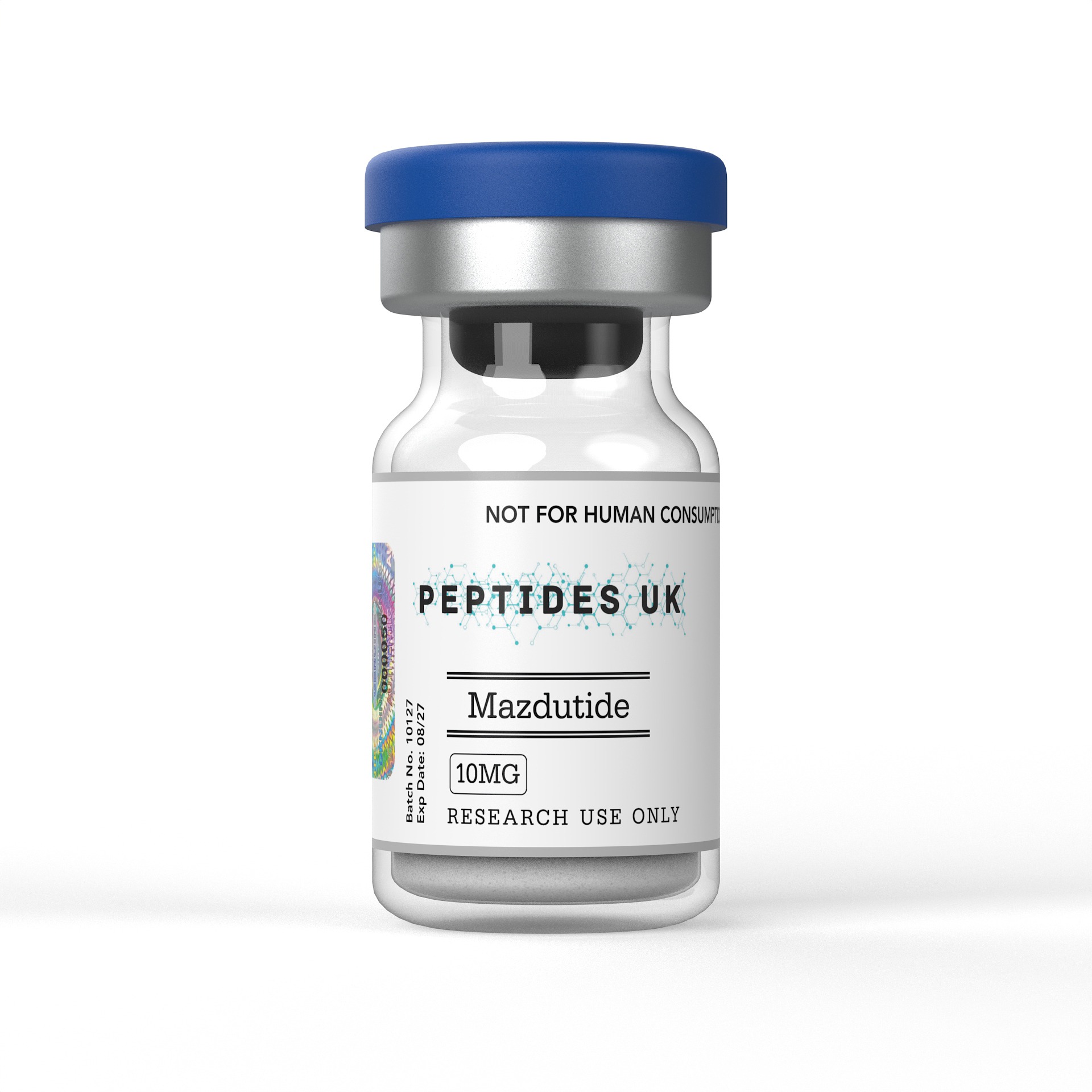
€161.50 – €288.00Price range: €161.50 through €288.00
Mazdutide Ireland – Buy Online | In Stock & Ready to Ship
Buy Mazdutide in Ireland with fast shipping and guaranteed ≥99% purity — verified with COA and HPLC documentation. A trusted choice for peptides Ireland research teams rely on, with no customs delays or international wait times. Whether you’re searching for Mazdutide Ireland suppliers or looking to buy peptides Ireland-wide, we have you covered. Irish research teams can count on consistent stock, rapid fulfilment and full batch documentation every time.
For research use only. Not intended for human or veterinary use.


Mazdutide is a potent, long-acting dual GLP-1 and glucagon receptor co-agonist — one of the most significant emerging compounds in obesity, metabolic disease, and energy expenditure research — available to buy in Ireland with fast dispatch and full batch documentation included.
Mazdutide (IBI362) simultaneously activates both GLP-1 receptors and glucagon receptors through a single molecule — combining the appetite-suppressing, insulin-sensitising properties of GLP-1 receptor agonism with the energy expenditure-increasing, fat oxidation-promoting properties of glucagon receptor activation — producing a dual metabolic mechanism that addresses both caloric intake and caloric utilisation in pre-clinical and clinical obesity and metabolic disease research. Researchers and institutions across Ireland can source verified, research-grade Mazdutide directly from our Irish peptide supply, with domestic-speed dispatch and complete batch documentation.
✅ ≥99% Purity — HPLC & Mass Spectrometry Verified
✅ Batch-Specific Certificate of Analysis (CoA) Included
✅ Sterile Lyophilised Powder | GMP Manufactured
✅ Fast Dispatch to Ireland | Peptides Ireland Stock
Mazdutide (also designated IBI362) is a synthetic long-acting peptide co-agonist of the GLP-1 receptor (GLP-1R) and glucagon receptor (GCGR) — developed by Innovent Biologics as a once-weekly injectable research and clinical development compound for obesity and type 2 diabetes. It is engineered as a single peptide molecule that activates both receptor systems simultaneously — achieving balanced dual agonism through a sequence that incorporates structural features recognised by both the GLP-1 receptor and the glucagon receptor, linked to a fatty acid modification that enables albumin binding and the extended half-life required for once-weekly dosing in clinical research protocols.
The scientific rationale for combining GLP-1R and GCGR agonism in a single molecule reflects a fundamental insight in metabolic biology — that the two receptor systems produce complementary and non-redundant metabolic effects that together address obesity and metabolic disease through multiple simultaneous mechanisms. GLP-1 receptor activation reduces caloric intake through appetite suppression, slowed gastric emptying, and enhanced satiety signalling — producing the food intake reduction that drives weight loss in GLP-1 monotherapy. Glucagon receptor activation increases energy expenditure — stimulating thermogenesis in brown adipose tissue, promoting hepatic fatty acid oxidation, and raising basal metabolic rate — producing an energy expenditure increase that GLP-1 monotherapy alone does not provide.
By combining these two mechanisms, Mazdutide addresses both sides of the energy balance equation simultaneously — reducing energy input through GLP-1R-mediated appetite suppression while increasing energy output through GCGR-mediated thermogenesis and fat oxidation — creating a dual-mechanism metabolic research tool with a theoretical weight reduction potential that exceeds GLP-1 monotherapy and that has been increasingly validated through pre-clinical and clinical research data.
Mazdutide’s development represents part of a broader scientific movement towards multi-receptor metabolic compounds — alongside Tirzepatide (GLP-1R/GIPR), Retatrutide (GLP-1R/GIPR/GCGR), and CagriSema (GLP-1R/amylin) — that seek to achieve greater metabolic benefit through complementary receptor co-activation than any single receptor approach alone can produce.
In controlled laboratory, pre-clinical, and clinical research settings, Mazdutide is studied across a broad range of obesity, metabolic disease, liver biology, and hormonal pharmacology research applications:
Dual GLP-1R/GCGR Agonism Pharmacology Research — Mazdutide’s defining research application is studying the pharmacological consequences of simultaneous GLP-1R and GCGR co-activation through a single molecule — examining receptor binding profiles, activation potency at each receptor, downstream signalling characteristics, and how the dual agonism profile compares to selective GLP-1R or GCGR agonists in biological activity assays. Studies have characterised the relative GLP-1R to GCGR activation ratio of Mazdutide and how this balance affects the combined metabolic output.
Obesity and Body Weight Research — Mazdutide has been studied in pre-clinical and clinical obesity research programmes — examining its effects on body weight, fat mass, lean mass composition, and the mechanisms driving weight reduction through dual receptor co-activation. Clinical development data has positioned Mazdutide among the most effective pharmacological approaches to weight reduction currently in clinical research, generating significant scientific attention for its dual-mechanism weight loss profile.
Energy Expenditure and Thermogenesis Research — The glucagon receptor component of Mazdutide’s dual agonism drives increased energy expenditure — primarily through activation of brown adipose tissue thermogenesis and upregulation of uncoupling protein expression. Studies have examined how GCGR-mediated thermogenic activation by Mazdutide increases oxygen consumption, elevates metabolic rate, and shifts substrate utilisation towards fat oxidation — research dimensions that GLP-1 monotherapy does not address and that represent the key mechanistic addition of glucagon co-agonism.
Appetite and Food Intake Research — The GLP-1R component of Mazdutide drives appetite suppression through hypothalamic and brainstem satiety circuit activation — reducing meal size, meal frequency, and total caloric intake. Studies have examined how GLP-1R-mediated appetite suppression by Mazdutide compares to GLP-1 monotherapy compounds in food intake reduction, and how the combination with GCGR agonism affects the overall caloric balance achieved in pre-clinical and clinical obesity research models.
Glucose Metabolism and Type 2 Diabetes Research — Mazdutide has been studied for combined effects on glucose homeostasis — with GLP-1R activation stimulating glucose-dependent insulin secretion and suppressing glucagon, while GCGR activation has counter-regulatory glycaemic consequences that require careful research characterisation. Studies have examined how the balance of GLP-1R and GCGR activities in Mazdutide affects net glycaemic outcomes — including fasting glucose, postprandial glucose, HbA1c, and insulin sensitivity — in type 2 diabetes and metabolic disease research models.
Non-Alcoholic Fatty Liver Disease (NAFLD) and NASH Research — Glucagon receptor activation has established effects on hepatic lipid metabolism — promoting fatty acid oxidation and reducing hepatic lipid accumulation — making GCGR co-agonism particularly relevant to liver biology research. Studies have examined Mazdutide’s effects on hepatic steatosis, liver fat content, hepatic inflammation, and fibrosis markers in NAFLD and NASH pre-clinical and clinical research models — with the glucagon component providing direct hepatic metabolic benefit beyond what GLP-1R agonism alone achieves.
Brown Adipose Tissue Biology Research — Glucagon receptor activation drives brown adipose tissue (BAT) thermogenesis — increasing UCP1 expression, BAT activity, and non-shivering thermogenesis. Mazdutide is used in BAT biology research to examine how GCGR-mediated BAT activation contributes to increased energy expenditure, how this thermogenic effect interacts with GLP-1R-mediated appetite suppression at the whole-organism level, and what the relative contribution of BAT thermogenesis is to the total energy expenditure increase observed with dual GLP-1R/GCGR co-agonism.
Lipid Metabolism Research — Studies have examined Mazdutide’s effects on circulating lipid profiles — including triglycerides, LDL cholesterol, HDL cholesterol, and free fatty acids — in metabolically compromised pre-clinical and clinical research models. The glucagon receptor component promotes hepatic fatty acid oxidation and lipid clearance, contributing a lipid-lowering research dimension to Mazdutide’s metabolic profile that complements GLP-1R-mediated improvements in lipid metabolism through weight reduction.
Cardiovascular Metabolic Research — The combination of weight reduction, improved glycaemic control, lipid profile improvement, and potential direct cardiovascular effects of dual GLP-1R/GCGR agonism has generated research interest in Mazdutide’s cardiovascular biology. Studies have begun examining cardiovascular risk markers, blood pressure, cardiac function parameters, and vascular biology endpoints in Mazdutide-treated pre-clinical and clinical research models.
Body Composition Research — Beyond total weight reduction, studies have examined the composition of weight loss achieved with Mazdutide — specifically the fat mass versus lean mass ratio of weight reduction — contributing to research on whether dual GLP-1R/GCGR agonism produces a more favourable body composition profile than GLP-1 monotherapy, particularly regarding preservation of skeletal muscle mass during significant weight loss.
Comparative Receptor Pharmacology Research — Mazdutide is used in comparative pharmacology research examining how different multi-receptor metabolic compound combinations — GLP-1R/GCGR versus GLP-1R/GIPR versus GLP-1R/GIPR/GCGR — produce different metabolic outcomes, contributing to the fundamental understanding of which receptor combinations and activation ratios are optimal for different metabolic research endpoints.
Mazdutide has a rapidly growing and scientifically significant pre-clinical and clinical research profile:
Potent Dual Receptor Activation Confirmed — Biochemical and cell-based studies have confirmed Mazdutide’s ability to activate both GLP-1 receptors and glucagon receptors with meaningful potency at both targets — with receptor activation assays documenting agonist activity at GLP-1R and GCGR and characterising the relative potency balance between the two receptor systems, establishing the pharmacological basis for its dual-mechanism metabolic research profile.
Significant Weight Reduction in Pre-Clinical Models — Pre-clinical obesity studies have reported substantial body weight and fat mass reductions in Mazdutide-treated animals — exceeding the weight reduction observed with GLP-1R monotherapy at comparable doses — with mechanistic studies attributing the additional weight loss to GCGR-driven increases in energy expenditure and fat oxidation beyond what appetite suppression alone achieves.
Clinical Trial Data — GLORY Programme — Mazdutide has been studied in clinical trials through the GLORY programme — a series of Phase 2 and Phase 3 clinical studies in obesity and type 2 diabetes conducted primarily in Chinese patient populations. Clinical data from these trials has reported significant weight reductions and metabolic improvements in Mazdutide-treated participants, with results establishing Mazdutide as one of the most clinically advanced GLP-1R/GCGR dual agonists in development and generating substantial scientific interest in the dual agonism approach to obesity pharmacotherapy research.
Hepatic Fat Reduction Documented — Clinical and pre-clinical studies have documented significant reductions in hepatic fat content in Mazdutide-treated subjects — consistent with GCGR-mediated promotion of hepatic fatty acid oxidation and the direct liver metabolic effects of glucagon receptor activation — supporting Mazdutide’s relevance as a research tool for NAFLD and liver metabolic biology beyond obesity endpoints.
Improved Glycaemic Parameters — Clinical trial data has documented significant improvements in HbA1c, fasting glucose, and other glycaemic parameters in Mazdutide-treated type 2 diabetes research participants — with the GLP-1R component driving glucose-dependent insulin secretion and the GCGR component requiring careful dose titration to manage counter-regulatory glycaemic effects, contributing to the understanding of how to optimise GLP-1R/GCGR co-agonism for glycaemic research endpoints.
Energy Expenditure Increases Documented — Pre-clinical metabolic cage studies have documented increased oxygen consumption and energy expenditure in Mazdutide-treated animals compared to GLP-1R monotherapy controls — consistent with GCGR-driven thermogenesis and fatty acid oxidation contributing additional energy expenditure beyond the metabolic rate changes associated with weight loss alone, validating the energy expenditure-increasing mechanistic contribution of glucagon receptor co-agonism.
Favourable Tolerability in Clinical Research — Clinical trial data has reported a tolerability profile broadly consistent with the GLP-1 compound class — with gastrointestinal effects representing the most commonly reported findings and no unexpected safety signals identified in completed trial phases — contributing to the clinical development profile of Mazdutide as a dual agonist research compound.
| Feature | Mazdutide | Tirzepatide | CagriSema | Retatrutide |
|---|---|---|---|---|
| Receptor Targets | GLP-1R + GCGR | GLP-1R + GIPR | GLP-1R + Amylin R | GLP-1R + GIPR + GCGR |
| Mechanism Addition vs GLP-1 | Energy expenditure / thermogenesis / hepatic fat oxidation | Enhanced insulin secretion / GIP-driven amplification | Amylin satiety circuit / gastric emptying | Energy expenditure + GIP amplification |
| Hepatic Fat Research | Very High — GCGR direct hepatic effect | Moderate — indirect via weight loss | Moderate | Very High — GCGR component |
| Brown Adipose Tissue | Very High — GCGR thermogenesis | Low — GIP minimal BAT effect | Low | Very High — GCGR component |
| Glycaemic Research | Moderate complexity — GLP-1R/GCGR balance | Very Strong — GIP enhances insulin | Strong | Strong |
| Weight Loss Profile | Very High — dual intake + expenditure | Very High — clinically approved | Among highest reported | Very High — triple mechanism |
| NAFLD Research | Very High — glucagon hepatic biology | Moderate | Moderate | Very High |
| Clinical Development Stage | Phase 3 — GLORY programme | Clinically approved | Phase 3 — REDEFINE programme | Phase 3 |
| Key Research Distinction | Only GLP-1R/GCGR dual agonist with GLORY clinical data | Only approved GLP-1R/GIPR dual agonist | Only GLP-1R/amylin combination | Only triple GLP-1R/GIPR/GCGR agonist |
Mazdutide’s unique position among multi-receptor metabolic research compounds is its specific GLP-1R/GCGR dual agonism profile — providing the only research tool that combines GLP-1R appetite suppression with GCGR-mediated thermogenesis and direct hepatic fat metabolism in a single once-weekly peptide molecule with Phase 3 clinical development data, making it particularly valuable for research focused on energy expenditure biology, brown adipose tissue thermogenesis, and hepatic lipid metabolism alongside obesity endpoints.
| Parameter | Detail |
|---|---|
| Name | Mazdutide (IBI362) |
| Type | Long-acting dual GLP-1R/GCGR co-agonist peptide |
| Targets | GLP-1 receptor (GLP-1R) + Glucagon receptor (GCGR) |
| Dosing Profile | Once-weekly — fatty acid albumin-binding modification |
| Primary Mechanism | GLP-1R appetite suppression + GCGR thermogenesis / fat oxidation |
| Key Research Areas | Obesity / metabolic disease / NAFLD / energy expenditure / BAT biology / T2DM |
| Purity | ≥99% HPLC & MS Verified |
| Form | Sterile Lyophilised Powder |
| Solubility | Sterile water, bacteriostatic water, PBS |
| Storage (Powder) | -20°C, protect from light |
| Storage (Reconstituted) | 2–8°C, use promptly or aliquot at -80°C |
| Manufacturing | GMP Manufactured |
Every order of Mazdutide in Ireland includes:
✅ Batch-Specific Certificate of Analysis (CoA)
✅ HPLC Chromatogram
✅ Mass Spectrometry Confirmation
✅ Sterility & Endotoxin Testing Report
✅ Reconstitution Protocol
✅ Technical Research Support
Can I buy Mazdutide in Ireland? Yes — we supply research-grade Mazdutide to researchers and institutions across Ireland with fast dispatch and full batch documentation. This compound is supplied strictly for laboratory research purposes only.
What is Mazdutide and what makes it different from Semaglutide? Mazdutide is a dual GLP-1R/GCGR co-agonist — it activates both the GLP-1 receptor and the glucagon receptor simultaneously through a single molecule. Semaglutide is a selective GLP-1R agonist only. The key difference is the addition of glucagon receptor agonism — which drives energy expenditure increases through brown adipose tissue thermogenesis and hepatic fatty acid oxidation, addressing the energy output side of the energy balance equation that GLP-1 monotherapy does not directly target. This dual mechanism gives Mazdutide a broader metabolic research profile and a theoretical weight reduction advantage over GLP-1R monotherapy through the combination of reduced energy intake and increased energy expenditure.
Why is glucagon receptor co-agonism valuable in metabolic research? Glucagon is best known as a counter-regulatory hormone that raises blood glucose — but its receptor activation has multiple metabolic effects beyond glycaemia that are highly relevant to obesity research. GCGR activation stimulates brown adipose tissue thermogenesis, promotes hepatic fatty acid oxidation, reduces hepatic lipid accumulation, and increases basal energy expenditure — all metabolic actions that complement rather than overlap with GLP-1R-mediated appetite suppression. In the context of obesity and NAFLD research, the combination of GLP-1R appetite suppression with GCGR energy expenditure and hepatic fat metabolism effects represents a more complete mechanistic approach to metabolic disease than either receptor system alone.
How does Mazdutide compare to Retatrutide as a glucagon receptor research tool? Retatrutide is a triple GLP-1R/GIPR/GCGR agonist — adding GIPR activation to the GLP-1R/GCGR combination present in Mazdutide. Retatrutide provides the most complete incretin and glucagon receptor coverage of any compound currently in clinical research, while Mazdutide provides the cleanest GLP-1R/GCGR dual agonism without the additional GIPR variable — making Mazdutide the more pharmacologically focused tool for research specifically examining GLP-1R/GCGR co-activation biology, while Retatrutide is the appropriate tool for studying triple receptor agonism. Both are important and complementary research compounds in the multi-receptor metabolic pharmacology research space.
What is the GLORY clinical trial programme? GLORY is the clinical development programme for Mazdutide — a series of Phase 2 and Phase 3 clinical trials studying Mazdutide in obesity and type 2 diabetes, conducted primarily in Chinese patient populations by Innovent Biologics. Phase 3 data from the GLORY programme has generated significant scientific interest with reported weight reductions and metabolic improvements that establish Mazdutide as one of the most clinically advanced GLP-1R/GCGR dual agonists in development — providing translational context for pre-clinical mechanistic research with this compound.
What purity is recommended for Mazdutide research? ≥99% purity is strongly recommended for receptor binding assays, in vitro pharmacology, energy expenditure studies, pre-clinical obesity models, and any research where compound quality directly affects receptor activation potency and reproducibility of metabolic endpoints. All Mazdutide Ireland stock is independently verified to ≥99%.
How do I reconstitute Mazdutide for laboratory use? Allow the vial to reach room temperature before opening. Reconstitute in sterile water or bacteriostatic water by adding solvent slowly down the inside wall of the vial and swirling gently — do not shake. Use promptly after reconstitution or aliquot into single-use volumes and store at -80°C to preserve peptide integrity and biological activity. Avoid repeated freeze-thaw cycles, and store reconstituted solutions at 2–8°C if used within a short working period.
Mazdutide is supplied exclusively for legitimate scientific research purposes conducted within licensed laboratory environments. This product is not intended for human consumption, self-administration, or any therapeutic application. It must be handled by qualified researchers in compliance with applicable Irish and EU regulations and institutional ethics guidelines. By purchasing, you confirm that this compound will be used solely for approved in-vitro or pre-clinical research purposes.
WhatsApp us
Receive News
