PRODUCTS SOLD ON PEPTIDESLABIRELAND.COM ARE FOR RESEARCH PURPOSES ONLY AND ARE NOT FOR HUMAN OR VETERINARY USE.
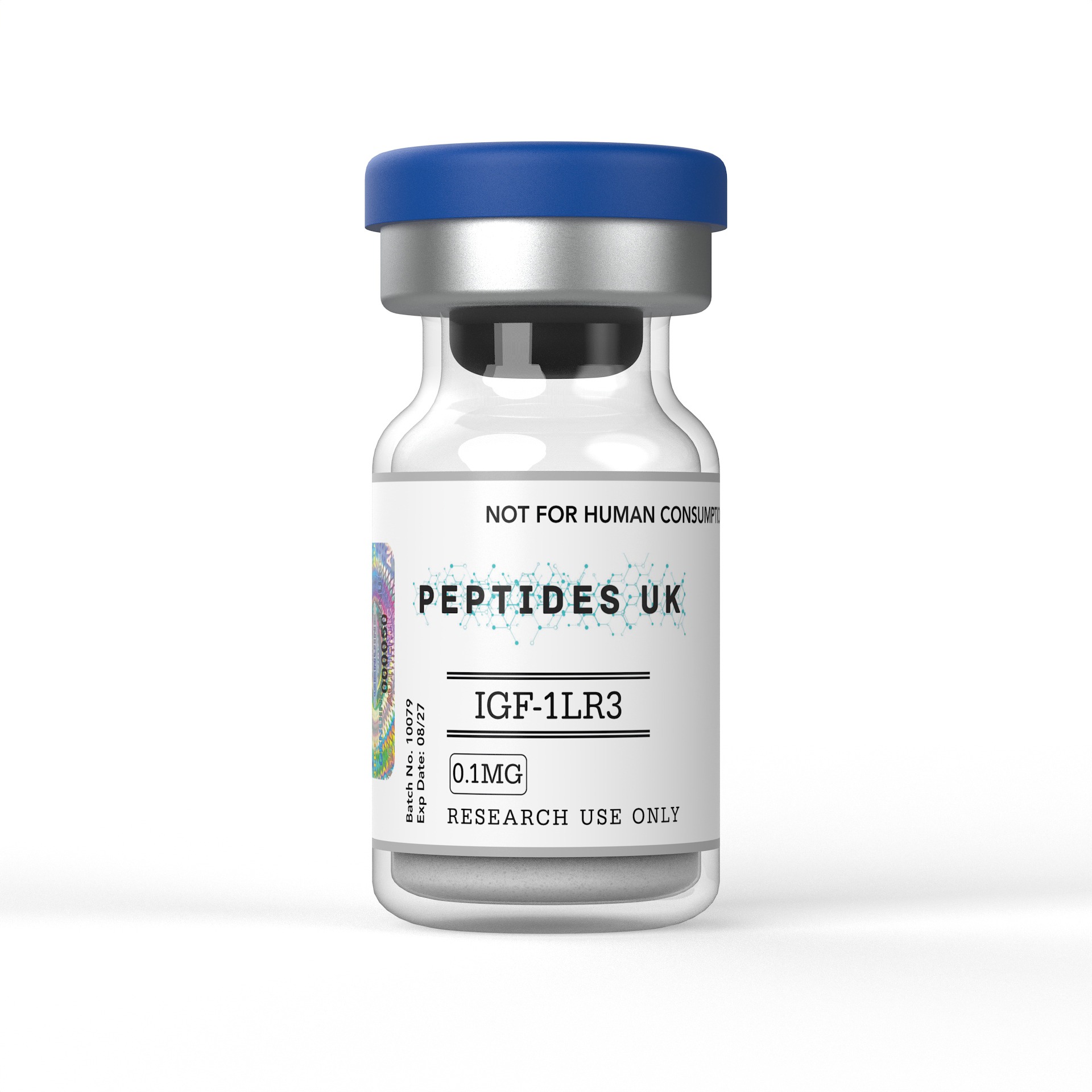
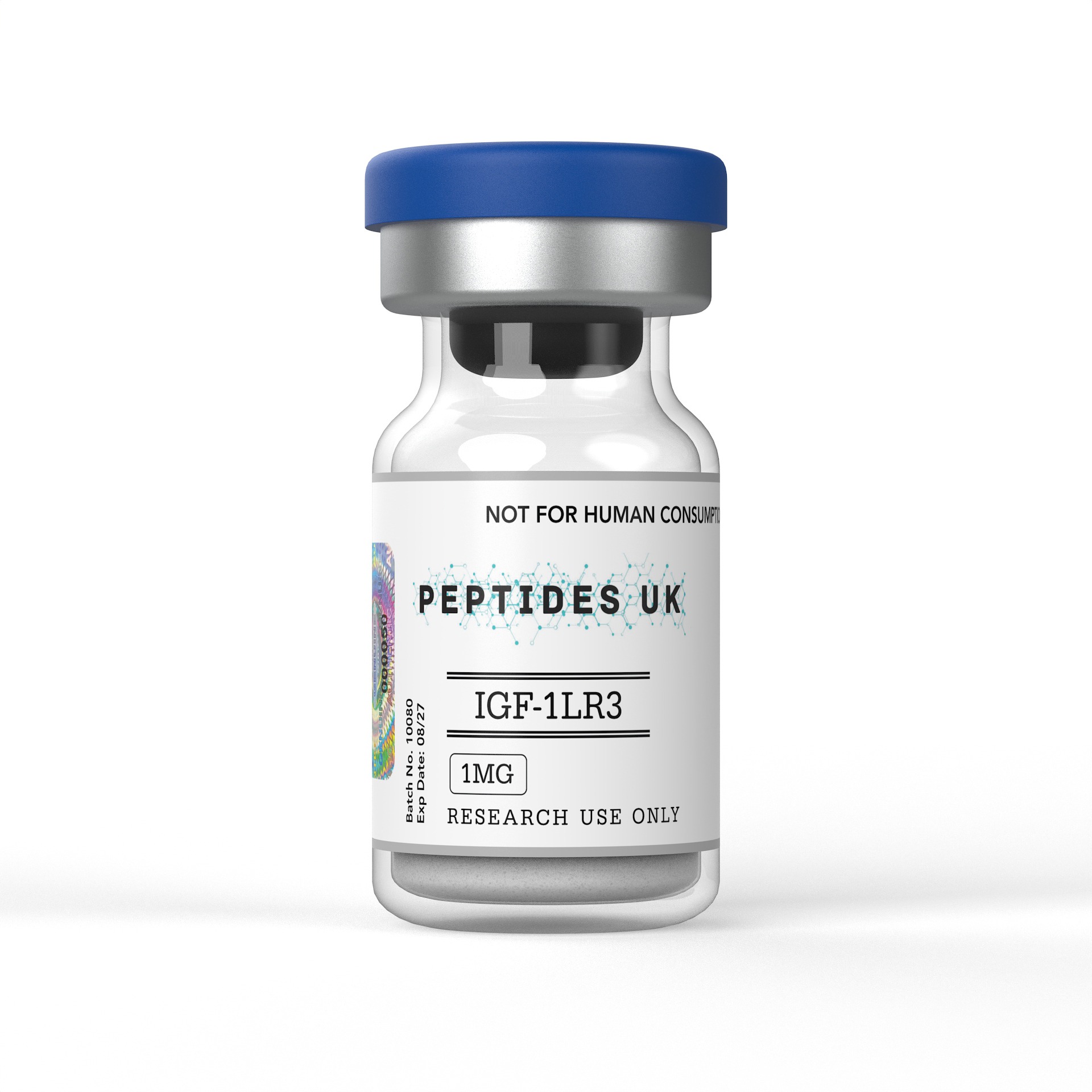
€46.00 – €161.50Price range: €46.00 through €161.50
IGF-1 LR3 Ireland – Buy Online | In Stock & Ready to Ship
Buy IGF-1 LR3 in Ireland with fast shipping and guaranteed ≥99% purity — verified with COA and HPLC documentation. A trusted choice for peptides Ireland research teams rely on, with no customs delays or international wait times. Whether you’re searching for IGF-1 LR3 Ireland suppliers or looking to buy peptides Ireland-wide, we have you covered. Irish research teams can count on consistent stock, rapid fulfilment and full batch documentation every time.
For research use only. Not intended for human or veterinary use.


IGF-1 LR3 (Long R3 Insulin-like Growth Factor-1) is a potent, long-acting synthetic analogue of IGF-1 engineered for extended biological activity and superior receptor engagement — one of the most significant and widely studied compounds in growth factor biology, muscle biology, metabolic research, and cellular proliferation science — available to buy in Ireland with fast dispatch and full batch documentation included.
IGF-1 LR3 is a 83-amino acid recombinant analogue of human IGF-1 incorporating two key structural modifications — an N-terminal 13-amino acid extension and an Arg³ substitution — that together dramatically reduce binding to IGF-binding proteins (IGFBPs) and extend the compound’s biological half-life from minutes to hours, producing a research tool with substantially greater potency and duration of action than native IGF-1 for pre-clinical and cell-based research applications. Researchers and institutions across Ireland can source verified, research-grade IGF-1 LR3 directly from our Irish peptide supply, with domestic-speed dispatch and complete batch documentation.
✅ ≥99% Purity — HPLC & Mass Spectrometry Verified
✅ Batch-Specific Certificate of Analysis (CoA) Included
✅ Sterile Lyophilised Powder | GMP Manufactured
✅ Fast Dispatch to Ireland | Peptides Ireland Stock
IGF-1 LR3 — Long R3 Insulin-like Growth Factor-1 — is a synthetic analogue of human IGF-1 (Insulin-like Growth Factor-1) engineered with two specific structural modifications that significantly enhance its utility as a research tool compared to native IGF-1.
Native IGF-1 is a 70-amino acid peptide hormone produced primarily in the liver in response to growth hormone (GH) stimulation — functioning as the principal mediator of GH’s anabolic, proliferative, and metabolic effects throughout the body. IGF-1 acts on IGF-1 receptors (IGF-1R) — receptor tyrosine kinases expressed across virtually every tissue type — activating downstream PI3K/Akt and MAPK/ERK signalling cascades that drive cell proliferation, survival, differentiation, protein synthesis, glucose uptake, and a broad range of growth-promoting biological responses. IGF-1 is one of the most important growth factors in mammalian biology — mediating postnatal growth, muscle anabolism, metabolic regulation, tissue repair, and numerous aspects of cellular homeostasis.
The fundamental limitation of native IGF-1 as a research tool is its rapid inactivation by IGF-binding proteins — a family of six specific binding proteins (IGFBP-1 through IGFBP-6) that bind circulating IGF-1 with high affinity, sequestering it from receptors and reducing its biological half-life in circulation to approximately 10–12 minutes in free form. This rapid inactivation limits the utility of native IGF-1 in research settings where sustained receptor activation is required.
IGF-1 LR3 addresses this limitation through two structural modifications:
The N-terminal 13-amino acid extension (the Long extension — hence “L”) adds a sequence that sterically interferes with IGFBP binding — dramatically reducing IGF-1 LR3’s affinity for all six IGF-binding proteins while maintaining full IGF-1 receptor binding and activation capacity.
The Arg³ substitution (replacing Glutamate at position 3 with Arginine — hence “R3”) further reduces IGFBP binding affinity through direct modification of the IGFBP interaction interface — contributing additional IGFBP resistance beyond the extension alone.
Together these modifications reduce IGFBP binding by approximately 1,000-fold compared to native IGF-1 — extending the biological half-life of IGF-1 LR3 from minutes to approximately 20–30 hours and producing a research compound with dramatically greater systemic exposure and more sustained receptor activation than native IGF-1 at equivalent doses.
In controlled laboratory and pre-clinical settings, IGF-1 LR3 is studied across a wide range of growth factor biology, muscle biology, metabolic research, and cellular science applications:
IGF-1 Receptor Pharmacology Research — IGF-1 LR3 activates IGF-1 receptors with the same affinity and signalling profile as native IGF-1 — making it the preferred research tool for studying IGF-1R pharmacology where sustained receptor activation is required. Studies have examined IGF-1R binding kinetics, downstream signalling cascade activation, receptor internalisation and desensitisation, and the biological consequences of prolonged versus pulsatile IGF-1R stimulation using IGF-1 LR3 as the extended-activity research probe.
PI3K/Akt Signalling Research — The PI3K/Akt pathway is the primary anabolic and survival signalling cascade activated by IGF-1R stimulation — driving protein synthesis through mTOR activation, cell survival through BAD phosphorylation and Bcl-2 upregulation, and glucose uptake through GLUT4 translocation. IGF-1 LR3 is used to study PI3K/Akt pathway biology in muscle, metabolic, and proliferative cell contexts — with its extended half-life enabling sustained pathway activation studies that native IGF-1 cannot support.
mTOR and Protein Synthesis Research — IGF-1R-driven mTOR activation is one of the most important regulators of skeletal muscle protein synthesis — and IGF-1 LR3 is widely used in muscle biology research to study mTOR pathway activation, ribosomal protein S6 kinase phosphorylation, 4E-BP1 regulation, and the downstream consequences for muscle protein synthesis rates in cell culture and pre-clinical muscle biology models.
Skeletal Muscle Biology and Hypertrophy Research — IGF-1 LR3 is one of the most studied compounds in skeletal muscle biology research — with studies examining its effects on myoblast proliferation, myoblast differentiation into myotubes, muscle fibre size and protein content, satellite cell activation, and the molecular signalling that underlies skeletal muscle hypertrophy in both cell culture and pre-clinical animal models. Its extended half-life and IGFBP resistance make it substantially more effective than native IGF-1 for studying sustained anabolic signalling in muscle tissue.
Muscle Atrophy and Wasting Research — Studies have examined IGF-1 LR3’s ability to oppose muscle atrophy — the pathological loss of muscle mass that occurs in cachexia, sarcopenia, denervation, and disuse models — with research documenting how IGF-1R/PI3K/Akt activation by IGF-1 LR3 suppresses atrophy-promoting FoxO transcription factor activity, reduces ubiquitin-proteasome pathway activation, and preserves muscle mass in atrophy-inducing pre-clinical models.
Cell Proliferation and Growth Research — IGF-1R is a potent mitogenic receptor — activating MAPK/ERK signalling cascades that drive cell cycle progression and proliferation across a wide range of cell types. IGF-1 LR3 is used in cell proliferation research to study how IGF-1R-mediated mitogenic signalling affects cell cycle regulation, proliferative capacity, and growth responses in diverse cell culture models — with its extended activity enabling sustained proliferative stimulation studies.
Cell Survival and Anti-Apoptotic Research — IGF-1R activation is one of the most potent cell survival signals in mammalian biology — suppressing apoptosis through Akt-mediated phosphorylation of multiple pro-apoptotic proteins. Studies have used IGF-1 LR3 to examine how IGF-1R-driven survival signalling protects cell populations from apoptotic stimuli in models of cell stress, nutrient deprivation, cytotoxic challenge, and growth factor withdrawal.
Metabolic Research — Glucose and Insulin Signalling — IGF-1 shares significant structural homology with insulin and activates insulin receptors in addition to IGF-1R — with IGF-1 LR3 studied for its effects on glucose uptake, insulin signalling pathway activity, and metabolic regulation in adipocytes, muscle cells, and hepatocytes. Research has examined how IGF-1R and insulin receptor co-activation by IGF-1 LR3 affects glucose transporter expression, glycogen synthesis, and the metabolic response to growth factor stimulation.
GH-IGF-1 Axis Research — IGF-1 LR3 is used to study the growth hormone-IGF-1 axis — examining how IGF-1 receptor activation feeds back on GH secretion, how the axis responds to sustained versus pulsatile IGF-1R stimulation, and what the consequences of IGFBP-independent IGF-1 bioavailability are for GH-IGF-1 axis regulation in pre-clinical endocrinology research models.
Tissue Repair and Regeneration Research — IGF-1 is a key growth factor in tissue repair — stimulating cell proliferation, protein synthesis, and survival in damaged tissues. IGF-1 LR3 has been studied in tissue repair models — including muscle, bone, cartilage, and wound healing contexts — with research examining how sustained IGF-1R activation by the long-acting analogue affects repair quality, healing rate, and tissue regeneration parameters compared to native IGF-1.
Bone Biology and Cartilage Research — IGF-1 is a critical growth factor for bone and cartilage — stimulating osteoblast and chondrocyte proliferation, matrix synthesis, and mineralisation. Studies have examined IGF-1 LR3’s effects on osteoblast and chondrocyte biology — documenting effects on bone matrix protein synthesis, osteoblast differentiation, and cartilage matrix production in bone and cartilage cell culture and pre-clinical models.
Cancer Biology Research — IGF-1R is overexpressed in multiple cancer types and its activation is a well-established driver of tumour cell proliferation, survival, and resistance to therapy. IGF-1 LR3 is used in cancer biology research to study IGF-1R-dependent cancer cell biology — examining how sustained IGF-1R activation affects tumour cell proliferation, apoptosis resistance, invasion, and the molecular mechanisms of IGF-1R-driven oncogenic signalling in cancer cell models.
Neuroprotection and Neural Biology Research — IGF-1R is expressed throughout the nervous system and IGF-1 is an important survival and growth factor for neurons. Studies have examined IGF-1 LR3’s neuroprotective effects — documenting protection of neuronal populations from toxic and ischaemic insults through PI3K/Akt survival signalling — and its effects on neural progenitor cell proliferation, neuronal differentiation, and synaptic biology in neural cell models.
IGF-1 LR3 has an extensive and well-characterised research profile built on both the foundational IGF-1 biology literature and studies specifically examining the LR3 modification’s impact on biological activity:
IGFBP Resistance Confirmed — Extended Half-Life Validated — Biochemical studies have confirmed that IGF-1 LR3’s structural modifications reduce binding to all six IGF-binding proteins by approximately 1,000-fold compared to native IGF-1 — with in vitro and in vivo half-life studies documenting extension from minutes to approximately 20–30 hours, validating the pharmacokinetic rationale for the LR3 design and establishing IGF-1 LR3 as the preferred form for research requiring sustained IGF-1R activation.
Equivalent IGF-1R Binding and Signalling — Studies have confirmed that IGF-1 LR3 binds IGF-1 receptors with affinity equivalent to native IGF-1 and activates the same downstream signalling cascades — including PI3K/Akt, mTOR, and MAPK/ERK pathways — with equivalent potency on a receptor-occupancy basis, establishing that the LR3 modifications do not compromise receptor pharmacology while dramatically improving bioavailability.
Superior Biological Activity vs Native IGF-1 In Vivo — Pre-clinical studies comparing IGF-1 LR3 to native IGF-1 at equivalent doses have consistently documented greater biological effects with IGF-1 LR3 — including greater increases in body weight, muscle mass, organ growth, and metabolic parameters — consistent with the predicted consequences of IGFBP resistance and extended half-life producing substantially higher receptor exposure than native IGF-1 at equivalent administered doses.
Muscle Hypertrophy and Protein Synthesis — Pre-clinical muscle biology studies have documented significant increases in muscle mass, muscle fibre size, and protein synthesis markers in IGF-1 LR3-treated animals — with mechanistic studies confirming PI3K/Akt/mTOR pathway activation as the primary driver of the observed muscle anabolic effects, establishing skeletal muscle biology as the most extensively studied pre-clinical application of IGF-1 LR3.
Muscle Atrophy Prevention — Studies have documented IGF-1 LR3’s ability to preserve muscle mass in atrophy-inducing pre-clinical models — with research reporting significant reduction in muscle loss in denervation, cachexia, and disuse atrophy models treated with IGF-1 LR3 compared to untreated controls, consistent with Akt-mediated FoxO suppression and proteasome pathway inhibition.
Cell Proliferation and Survival in Multiple Cell Types — Cell-based studies have consistently documented potent proliferative and survival-promoting effects of IGF-1 LR3 across a wide range of cell types — with studies confirming dose-dependent stimulation of cell proliferation, suppression of apoptosis, and activation of growth-promoting signalling pathways in muscle, bone, cartilage, neural, and epithelial cell models.
Bone and Cartilage Research Findings — Pre-clinical bone and cartilage studies have reported significant effects of IGF-1 LR3 on osteoblast and chondrocyte activity — with research documenting increased bone formation markers, enhanced matrix protein synthesis, and improved bone and cartilage parameters in IGF-1 LR3-treated pre-clinical models compared to controls.
| Feature | IGF-1 LR3 | Native IGF-1 | IGF-2 | MGF (Mechano Growth Factor) |
|---|---|---|---|---|
| Structure | 83 AA — N-terminal extension + Arg³ | 70 AA — native sequence | 67 AA — structurally related | IGF-1 splice variant — E domain peptide |
| IGFBP Binding | Very Low — ~1000x reduced vs IGF-1 | High — rapidly sequestered | Moderate | Low — E domain reduces IGFBP binding |
| Biological Half-Life | ~20–30 hours | ~10–12 minutes (free form) | Longer than IGF-1 | Short — minutes |
| IGF-1R Affinity | Equivalent to native IGF-1 | Reference | Lower than IGF-1 | Lower than IGF-1 |
| Primary Research Use | Sustained IGF-1R activation / muscle / metabolic | Native growth factor biology | IGF-2R biology / foetal growth | Mechanical load response / muscle repair |
| Muscle Biology | Very High — primary research application | High — but rapid inactivation limits use | Moderate | High — mechanosensitive muscle biology |
| Key Research Distinction | Only IGF-1 analogue with IGFBP resistance and extended half-life | Native reference compound | IGF-2 receptor biology tool | Mechanosensitive IGF splice variant |
IGF-1 LR3 is irreplaceable as a research tool for studies requiring sustained IGF-1 receptor activation — its IGFBP resistance and extended half-life producing a level of systemic IGF-1R stimulation that native IGF-1 cannot achieve at practical research doses, making it the standard choice for pre-clinical and cell-based research where prolonged anabolic, proliferative, or survival-promoting IGF-1R signalling is the research objective.
| Parameter | Detail |
|---|---|
| Name | IGF-1 LR3 (Long R3 Insulin-like Growth Factor-1) |
| Length | 83 amino acids |
| Modifications | N-terminal 13-AA extension + Glu³→Arg³ substitution |
| IGFBP Binding | ~1,000-fold reduced vs native IGF-1 |
| Biological Half-Life | ~20–30 hours (vs ~10–12 min for native IGF-1) |
| Primary Target | IGF-1 receptor (IGF-1R) |
| Mechanism | IGF-1R activation — PI3K/Akt/mTOR + MAPK/ERK signalling |
| Key Research Areas | Muscle biology / growth factor pharmacology / metabolic research / cell proliferation |
| Purity | ≥99% HPLC & MS Verified |
| Form | Sterile Lyophilised Powder |
| Solubility | 0.1% Acetic Acid Water — see reconstitution guidance |
| Storage (Powder) | -20°C, protect from light |
| Storage (Reconstituted) | 2–8°C, use within 7 days or aliquot at -80°C |
| Manufacturing | GMP Manufactured |
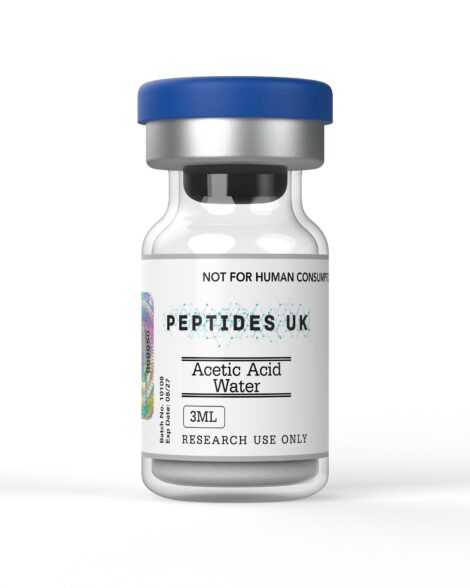
IGF-1 LR3 requires reconstitution in 0.1% Acetic Acid Water — not plain sterile water — due to its hydrophobic sequence characteristics and tendency to aggregate at neutral pH. Always use Acetic Acid Water as the primary reconstitution solvent, then dilute to working concentration in PBS or cell culture media as required by your research protocol. Using plain sterile water risks incomplete dissolution, aggregation, and loss of biological activity.
Acetic Acid Water for IGF-1 LR3 reconstitution is available separately in our Ireland research solvent range.
Every order of IGF-1 LR3 in Ireland includes:
✅ Batch-Specific Certificate of Analysis (CoA)
✅ HPLC Chromatogram
✅ Mass Spectrometry Confirmation
✅ Sterility & Endotoxin Testing Report
✅ Reconstitution Protocol — including Acetic Acid Water guidance
✅ Technical Research Support
Can I buy IGF-1 LR3 in Ireland? Yes — we supply research-grade IGF-1 LR3 to researchers and institutions across Ireland with fast dispatch and full batch documentation. This compound is supplied strictly for laboratory research purposes only.
What is IGF-1 LR3 and how does it differ from native IGF-1? IGF-1 LR3 is a synthetic analogue of IGF-1 with two structural modifications — an N-terminal 13-amino acid extension and an Arg³ substitution — that together reduce binding to IGF-binding proteins by approximately 1,000-fold compared to native IGF-1. This IGFBP resistance extends the biological half-life from approximately 10–12 minutes for native IGF-1 to approximately 20–30 hours for IGF-1 LR3 — producing a research compound with dramatically greater systemic bioavailability and more sustained IGF-1 receptor activation at equivalent administered doses. IGF-1 LR3 binds and activates IGF-1 receptors with equivalent affinity to native IGF-1 — the only difference is its dramatically extended duration of action.
Why do IGF-binding proteins matter in IGF-1 research? IGF-binding proteins are a family of six specific carrier proteins that bind IGF-1 with high affinity in biological fluids — sequestering it from receptors and dramatically shortening its free biological half-life. In cell culture systems, serum-derived IGFBPs rapidly inactivate native IGF-1 added to culture media — making it difficult to achieve sustained IGF-1R activation in cell-based assays. In vivo, IGFBPs restrict IGF-1’s tissue distribution and receptor availability. IGF-1 LR3’s resistance to IGFBP binding overcomes both limitations — making it substantially more effective than native IGF-1 in serum-containing cell culture conditions and producing far greater systemic receptor exposure in pre-clinical in vivo research.
What solvent does IGF-1 LR3 require for reconstitution? IGF-1 LR3 requires reconstitution in 0.1% Acetic Acid Water — a sterile solution of 0.1% glacial acetic acid in Water for Injection — rather than plain sterile water. The mildly acidic pH of acetic acid water prevents the aggregation and incomplete dissolution that can occur with IGF-1 LR3 at neutral pH, ensuring complete solubilisation and preservation of biological activity. Once reconstituted in acetic acid water stock solution, IGF-1 LR3 should be diluted to working concentration in PBS or appropriate cell culture buffer — the acetic acid concentration becomes negligible at typical working dilutions. Acetic Acid Water is available separately in our Ireland research solvent range.
How does IGF-1 LR3 compare to MGF (Mechano Growth Factor) in muscle research? IGF-1 LR3 and MGF are both derived from the IGF-1 gene but represent different aspects of IGF-1 biology. MGF is a splice variant of IGF-1 produced specifically in response to mechanical loading of muscle — its E domain peptide is studied for mechanosensitive muscle repair and satellite cell activation responses that are distinct from the systemic anabolic signalling of IGF-1. IGF-1 LR3 provides sustained systemic IGF-1R activation through the full-length analogue — driving PI3K/Akt/mTOR-mediated protein synthesis and muscle hypertrophy through the canonical IGF-1 signalling pathway. The two compounds are mechanistically complementary research tools for different aspects of muscle growth and repair biology.
What purity is recommended for IGF-1 LR3 research? ≥99% purity is strongly recommended for IGF-1R binding assays, PI3K/Akt/mTOR signalling studies, muscle biology research, metabolic experiments, and in vivo pre-clinical models where compound quality directly affects receptor activation potency and biological reproducibility. All IGF-1 LR3 Ireland stock is independently verified to ≥99%.
How do I reconstitute IGF-1 LR3 for laboratory use? Allow the vial to reach room temperature before opening. Add 0.1% Acetic Acid Water slowly down the inside wall of the vial — do not inject directly onto the lyophilised powder and do not shake. Swirl gently until fully dissolved — IGF-1 LR3 should dissolve readily in acetic acid water. Prepare a concentrated stock solution in acetic acid water and dilute to working concentration in PBS or cell culture media as required. Store the acetic acid water stock at 2–8°C for short-term use or aliquot at -80°C for longer storage — avoid repeated freeze-thaw cycles to preserve biological activity. Use low-binding tubes where possible as IGF-1 LR3 can adsorb to standard plastic surfaces at low concentrations.
IGF-1 LR3 is supplied exclusively for legitimate scientific research purposes conducted within licensed laboratory environments. This product is not intended for human consumption, self-administration, or any therapeutic application. It must be handled by qualified researchers in compliance with applicable Irish and EU regulations and institutional ethics guidelines. By purchasing, you confirm that this compound will be used solely for approved in-vitro or pre-clinical research purposes.

WhatsApp us
Receive News
