PRODUCTS SOLD ON PEPTIDESLABIRELAND.COM ARE FOR RESEARCH PURPOSES ONLY AND ARE NOT FOR HUMAN OR VETERINARY USE.
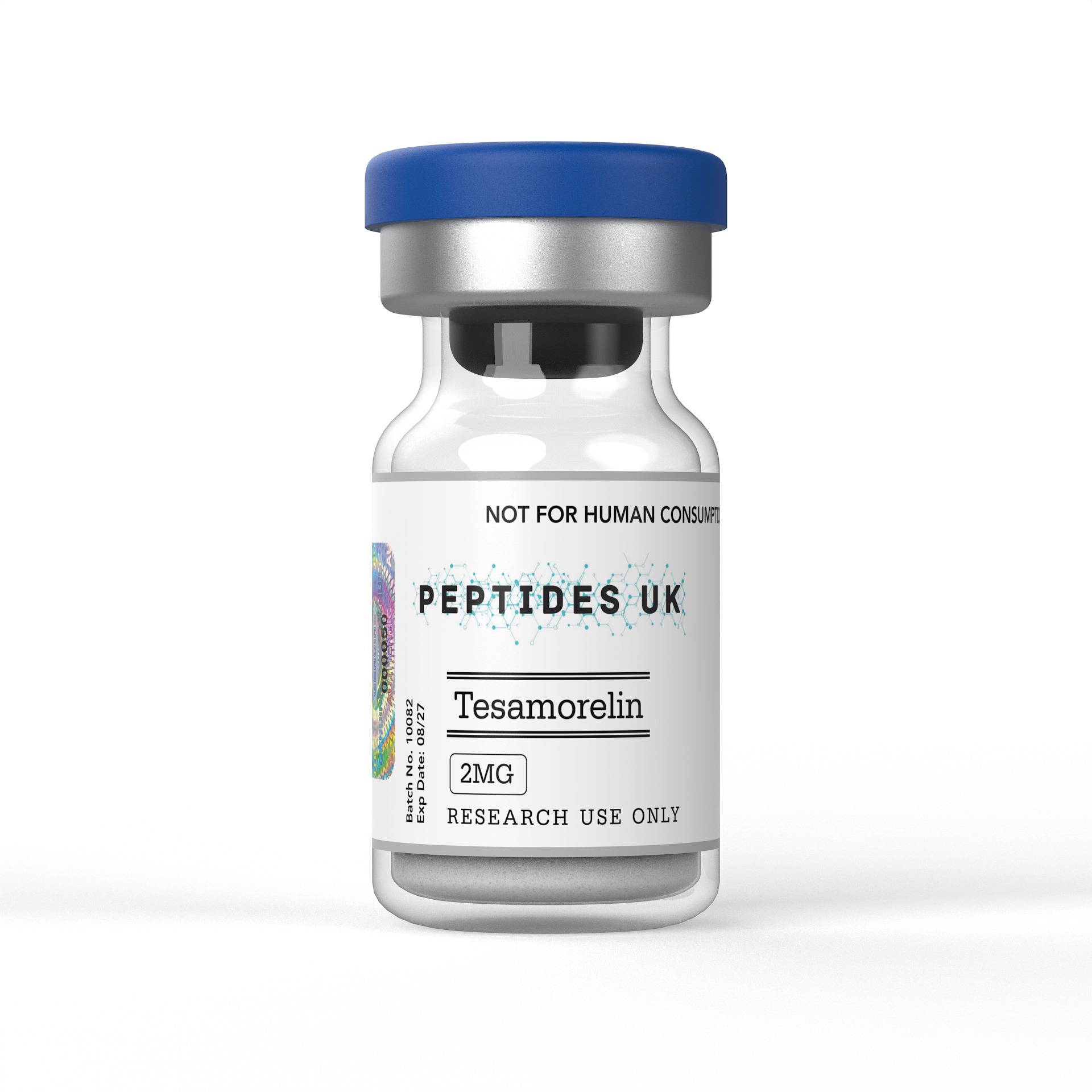
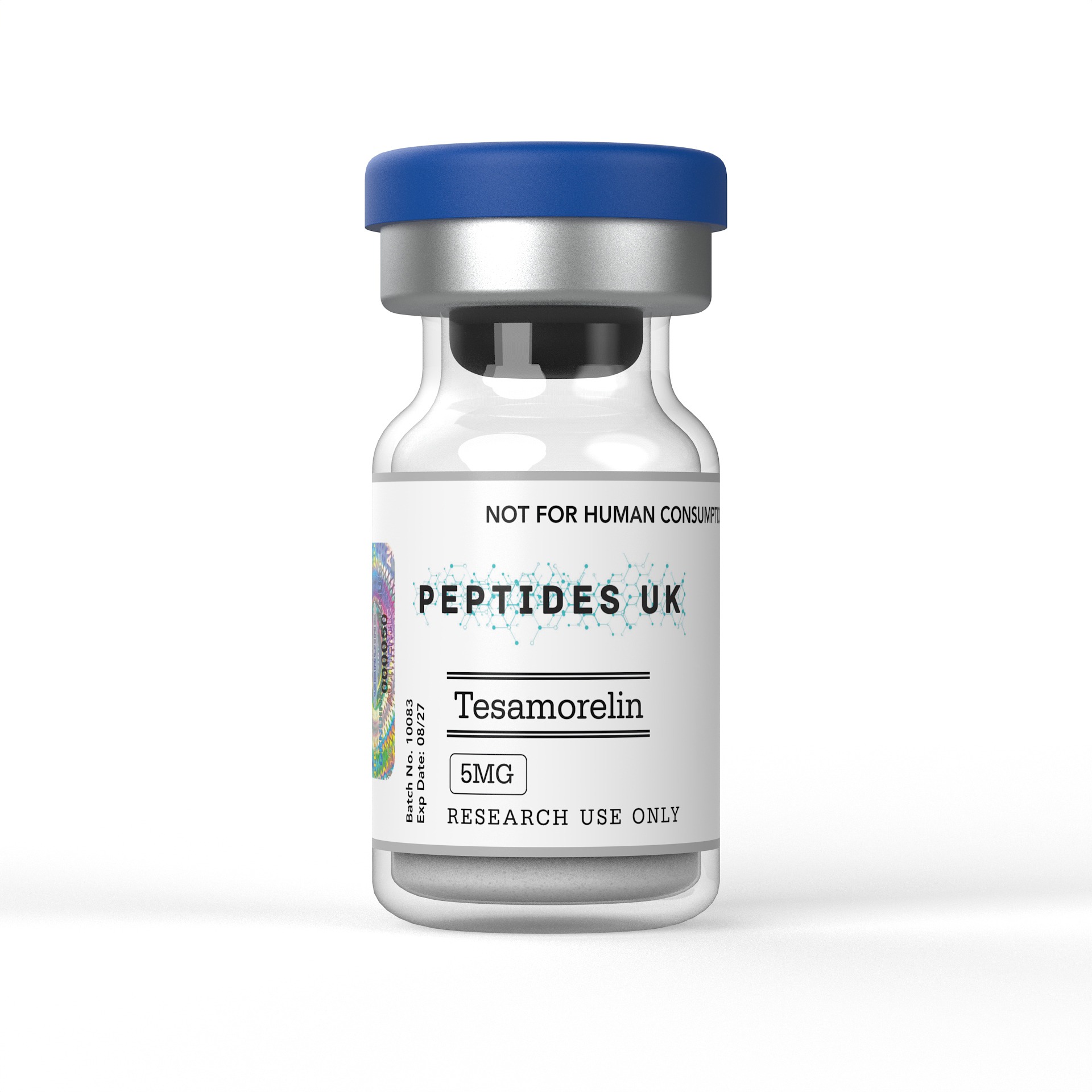
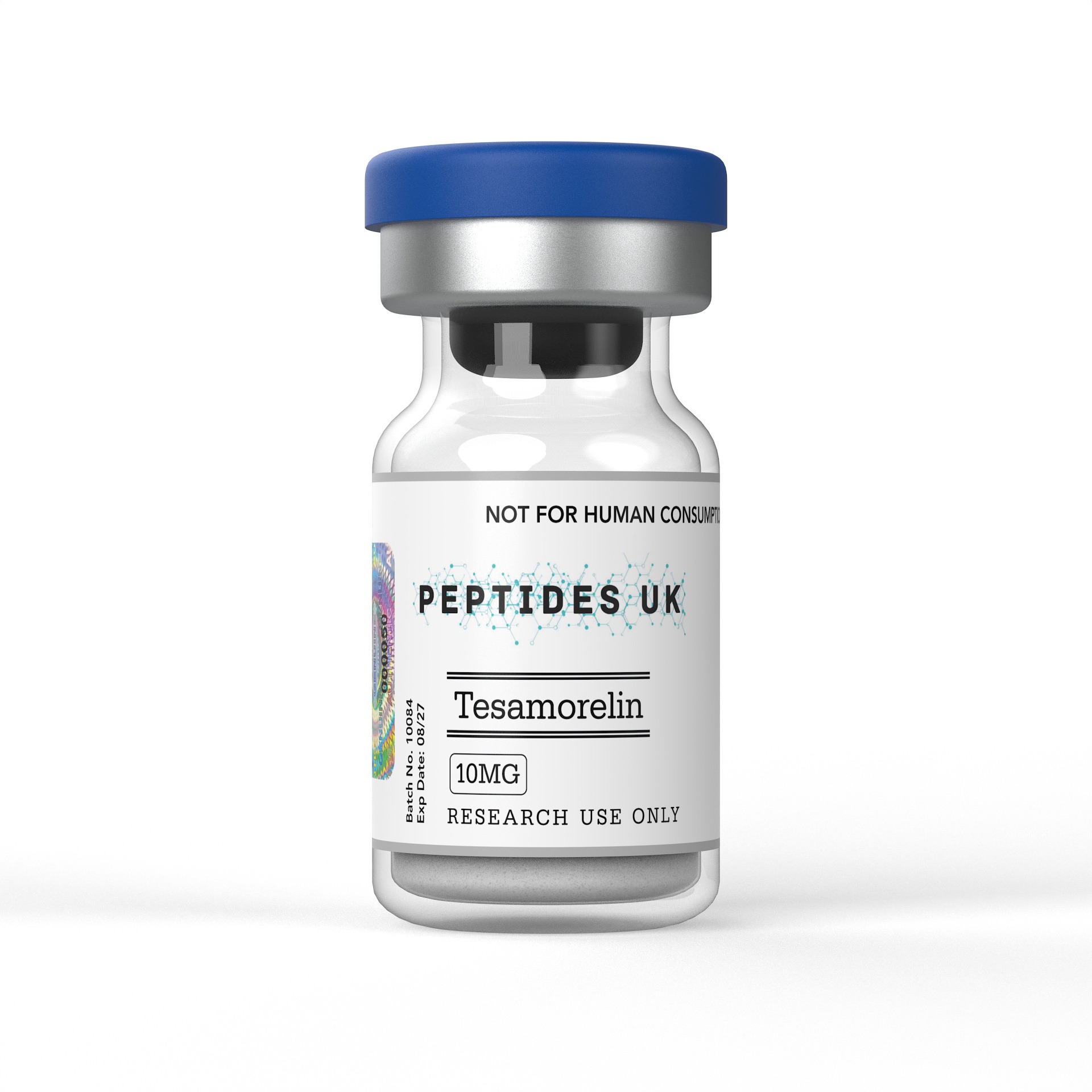
€32.50 – €230.00Price range: €32.50 through €230.00
Tesamorelin Ireland – Buy Online | In Stock & Ready to Ship
Buy Tesamorelin in Ireland with fast shipping and guaranteed ≥99% purity — verified with COA and HPLC documentation. A trusted choice for peptides Ireland research teams rely on, with no customs delays or international wait times. Whether you’re searching for Tesamorelin Ireland suppliers or looking to buy peptides Ireland-wide, we have you covered. Irish research teams can count on consistent stock, rapid fulfilment and full batch documentation every time.
For research use only. Not intended for human or veterinary use.


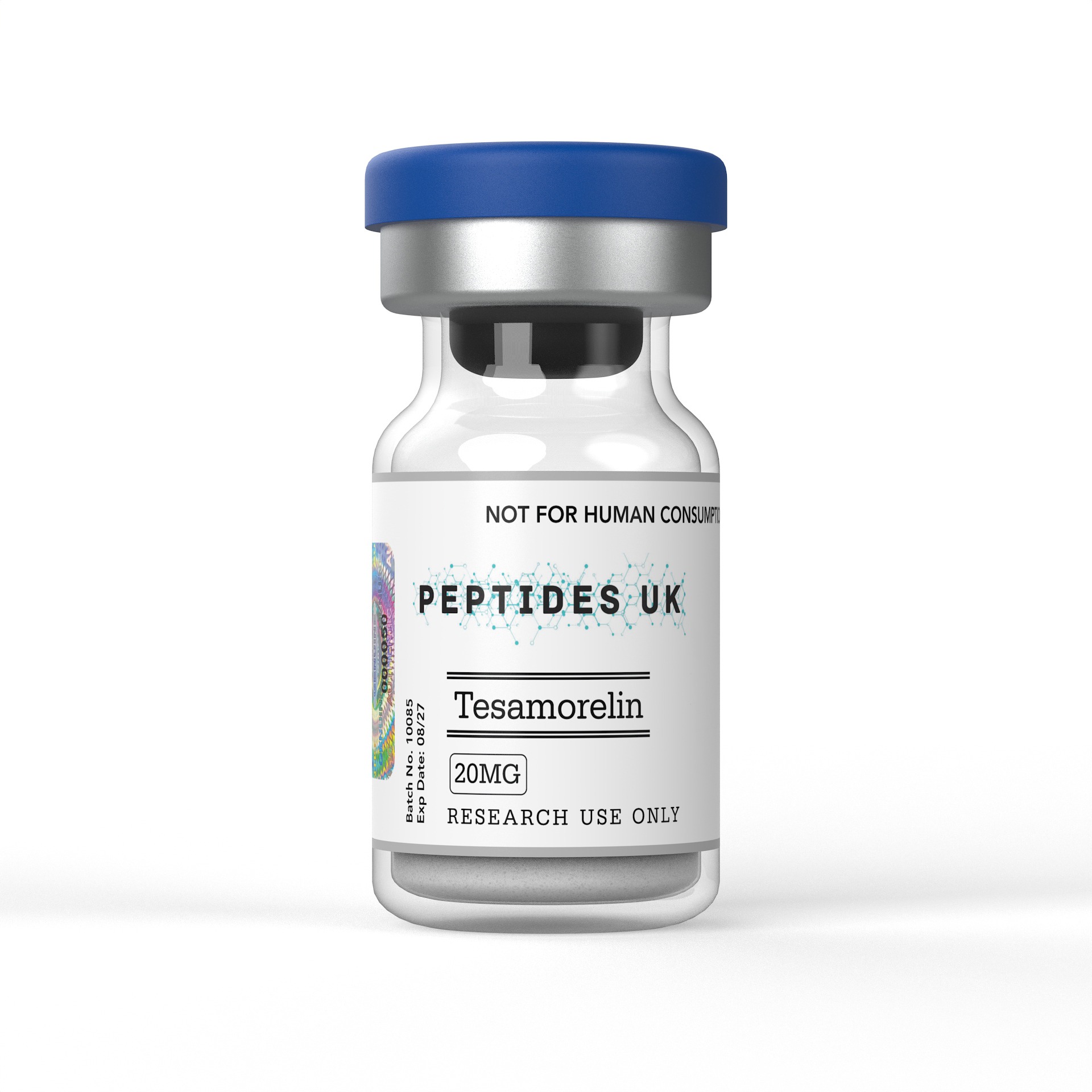
Tesamorelin — trans-3-hexenoic acid-modified full-length GHRH(1-44) analogue — is a synthetic 44-amino acid stabilised growth hormone releasing hormone analogue and one of the most extensively characterised and clinically validated full-length GHRH receptor agonist research compounds available to laboratories in Ireland — a trans-3-hexenoic acid conjugated GHRH(1-44) peptide that activates the GHRH receptor with the complete pharmacophore geometry of full-length endogenous GHRH while the N-terminal trans-3-hexenoic acid modification confers resistance to dipeptidyl peptidase IV cleavage at the Tyr1-Ala2 dipeptide — extending circulating half-life relative to native GHRH(1-44) and enabling sustained episodic GH secretory stimulation from a full-length GHRH sequence — making it an indispensable research tool for studying GHRH receptor pharmacology with the complete 44-amino acid pharmacophore geometry unavailable from truncated GHRH analogues including Sermorelin, Modified GRF(1-29), and CJC-1295, the C-terminal GHRH domain contributions to GHRHR binding and signal transduction that are absent from 29-residue truncation compounds, DPP-IV resistance engineering at the N-terminus of full-length GHRH sequences as a half-life extension strategy, visceral adipose tissue biology under sustained GHRH receptor stimulation and its relationship to GH-IGF-1 axis activation, the pharmacological basis of GH-driven visceral fat reduction in lipodystrophy and metabolic disease research contexts, comparative full-length versus truncated GHRH analogue receptor pharmacology, and the translational biology of clinically validated GHRH receptor agonism in the research context of the complete somatotropic axis. Researchers and institutions across Ireland can source verified, research-grade Tesamorelin directly from our Irish peptide supply, with domestic-speed dispatch and complete batch documentation.
✅ ≥99% Purity — HPLC & Mass Spectrometry Verified
✅ Batch-Specific Certificate of Analysis (CoA) Included
✅ Sterile Lyophilised Powder | GMP Manufactured
✅ Fast Dispatch to Ireland | Peptides Ireland Stock
Tesamorelin — trans-3-hexenoic acid-GHRH(1-44)NH₂, where the N-terminal amino group of Tyr1 is conjugated to trans-3-hexenoic acid — is a synthetic stabilised analogue of full-length human growth hormone releasing hormone developed by Theratechnologies through a targeted pharmacokinetic optimisation programme directed at a specific unmet research and therapeutic need: the development of a GHRH receptor agonist retaining the complete 44-amino acid GHRH pharmacophore while overcoming the principal pharmacokinetic limitation of native GHRH(1-44) — its susceptibility to DPP-IV-mediated cleavage at the Tyr1-Ala2 N-terminal dipeptide producing the inactive GHRH(3-44) fragment within seconds of entry into the circulation. The trans-3-hexenoic acid modification addresses this limitation with structural elegance — conjugating the short-chain unsaturated fatty acid to the N-terminal amino group of Tyr1 sterically shields the Tyr1-Ala2 peptide bond from DPP-IV active site access without altering the downstream GHRH sequence, preserving the complete 44-amino acid GHRHR contact geometry while extending circulating half-life from seconds to approximately 26–38 minutes. This half-life extension is more modest than the multi-day extension achieved by CJC-1295 With DAC’s albumin-binding technology but substantially longer than native GHRH(1-44) — producing an intermediate pharmacokinetic profile that maintains episodic pulsatile GH secretory biology while enabling meaningful in vivo GHRHR stimulation from a single administration.
The pharmacological significance of Tesamorelin’s full-length GHRH(1-44) sequence — distinguishing it from all other GHRH analogue research compounds including Sermorelin GHRH(1-29)NH₂, Modified GRF(1-29), and CJC-1295 — resides in the C-terminal 15 residues comprising positions 30–44 of the native GHRH sequence that are absent from truncated GHRH analogues. Although structure-activity relationship studies established that GHRH(1-29)NH₂ retains full biological activity in acute in vitro receptor activation assays — forming the rationale for Sermorelin’s development — emerging research has suggested that the C-terminal GHRH domain may contribute to receptor binding stability, duration of receptor occupancy, and signal transduction characteristics under physiological conditions that differ from acute in vitro receptor activation paradigms. The C-terminal GHRH extension may also influence the tissue distribution of GHRHR engagement and the pharmacodynamic characteristics of GH secretory stimulation produced by full-length versus truncated analogues. Tesamorelin is therefore the uniquely positioned research compound for investigating whether and how the complete GHRH(1-44) sequence produces pharmacologically distinct GHRHR biology relative to truncated GHRH analogues — a comparative pharmacology question with direct implications for understanding the physiological role of the C-terminal GHRH domain.
Tesamorelin received FDA approval in 2010 as Egrifta for the reduction of excess abdominal fat in HIV-infected patients with lipodystrophy — a metabolic complication of antiretroviral therapy characterised by preferential accumulation of visceral adipose tissue and associated cardiovascular and metabolic risk. This regulatory approval and the GHRH biology underlying visceral fat reduction — GH-driven selective mobilisation of visceral adipose tissue through mechanisms including direct GHR-mediated adipose lipolysis and indirect IGF-1 axis metabolic effects — established Tesamorelin as a clinically validated pharmacological tool for studying the somatotropic axis in visceral lipodystrophy and metabolic disease research and positioned it as the reference full-length GHRH analogue for translational research bridging pre-clinical GHRHR biology to clinically relevant GH axis metabolic outcomes.
In controlled laboratory and pre-clinical settings, Tesamorelin is studied across full-length GHRH receptor pharmacology, complete GHRH sequence structure-activity research, visceral adipose biology, GH axis stimulation and IGF-1 production, somatotroph regulatory biology, comparative GHRH analogue pharmacology, and translational metabolic disease research applications:
Tesamorelin is the reference full-length GHRHR agonist for complete 44-amino acid GHRH receptor pharmacology research — used to characterise GHRHR binding kinetics with the intact N-terminal trans-3-hexenoic acid-modified Tyr1 residue and full C-terminal GHRH domain, Gs-cAMP-PKA signal transduction in somatotroph cell models under full-length pharmacophore stimulation, and the signal transduction characteristics that distinguish full-length GHRH sequence receptor engagement from truncated GHRH(1-29) analogue pharmacology. Research uses Tesamorelin to establish complete-sequence GHRHR activation profiles — characterising concentration-response relationships for Gs-cAMP accumulation, receptor desensitisation dynamics under full-length GHRHR stimulation, PKA and CREB activation kinetics, GH gene transcription responses, and GH granule exocytosis amplitudes produced by the intact 44-residue pharmacophore relative to 29-residue truncation analogues. These full-length GHRHR signal transduction studies provide the reference dataset for complete-sequence GHRH pharmacology and establish whether the C-terminal GHRH domain contributes pharmacologically meaningful receptor contact to the canonical Gs-cAMP cascade.
Tesamorelin’s full-length GHRH(1-44) sequence enables structure-activity research examining the pharmacological contributions of the C-terminal 15 residues — positions 30-44 — that are absent from Sermorelin, Modified GRF(1-29), and CJC-1295 With DAC. Research has used Tesamorelin alongside GHRH(1-29) truncation analogues in parallel pharmacodynamic studies — characterising whether the complete 44-residue sequence produces differences in GHRHR binding affinity, receptor occupancy duration, Gs-cAMP response amplitude or kinetics, receptor internalisation dynamics, and in vivo GH secretory profiles relative to truncated analogues. These C-terminal domain studies examine the classic structure-activity finding of GHRH(1-29) equivalence to GHRH(1-44) — testing whether this equivalence holds across the full range of pharmacodynamic endpoints relevant to physiological GHRHR biology or whether the C-terminal extension contributes subtle but pharmacologically significant differences in receptor interaction characteristics under conditions not captured by acute in vitro activity assays.
The trans-3-hexenoic acid N-terminal modification of Tesamorelin is a pharmacokinetic engineering solution — conferring DPP-IV resistance through steric shielding of the Tyr1-Ala2 cleavage site without amino acid substitution. Research has examined Tesamorelin as a model compound for N-terminal fatty acid modification as a DPP-IV resistance strategy — characterising DPP-IV active site accessibility to the modified N-terminus, the steric protection radius of the trans-3-hexenoic acid group, the resulting half-life extension magnitude relative to native GHRH(1-44), and how the N-terminal modification affects GHRHR binding kinetics at the receptor N-terminal contact interface. These pharmacokinetic engineering studies have contributed to understanding of non-amino acid substitution approaches to GHRH analogue stability and established Tesamorelin’s trans-3-hexenoic acid modification as a structurally distinct pharmacokinetic strategy relative to the Ala8 substitution employed in Modified GRF(1-29) for DPP-IV resistance.
Tesamorelin’s FDA approval for visceral fat reduction in HIV lipodystrophy establishes visceral adipose tissue biology as its primary translational research application — making it the reference GHRH analogue for studying GH axis-driven selective visceral fat mobilisation in lipodystrophy, metabolic syndrome, and obesity-associated visceral adiposity research. Research has characterised Tesamorelin’s visceral adipose biology in rodent and non-human primate lipodystrophy models and clinical research paradigms — examining GH-driven visceral adipocyte lipolysis mechanisms, the selective visceral versus subcutaneous fat depot sensitivity to GH-mediated lipolysis, hepatic and peripheral IGF-1 axis contributions to the net visceral fat reduction outcome, and the temporal dynamics of visceral adipose tissue reduction under sustained Tesamorelin-driven GH secretory stimulation. These visceral fat biology studies have established Tesamorelin as the reference GHRH analogue for studying the somatotropic axis in metabolic disease visceral adiposity research and the pharmacological basis of GHRH-driven visceral fat mobilisation.
Tesamorelin’s clinical approval context — HIV-associated lipodystrophy characterised by visceral fat accumulation, peripheral fat loss, dyslipidaemia, and insulin resistance in patients receiving protease inhibitor and nucleoside reverse transcriptase inhibitor antiretroviral therapy — establishes a specific and clinically significant metabolic disease research context for GHRHR agonism biology. Research has used Tesamorelin in HIV lipodystrophy models to characterise the pathophysiology of antiretroviral-associated GH axis dysregulation — examining reduced GH pulse amplitude and frequency in lipodystrophic patients, somatotroph secretory reserve assessment by Tesamorelin stimulation testing, the neuroendocrine basis of visceral fat accumulation in the setting of GH hyposecretion, and the restoration of GH pulse biology and visceral fat normalisation through Tesamorelin GHRHR stimulation. These lipodystrophy biology studies have established Tesamorelin as the reference pharmacological tool for studying antiretroviral-associated GH axis dysregulation and its metabolic consequences.
Tesamorelin’s intermediate half-life — approximately 26–38 minutes — produces GH secretory responses intermediate between native GHRH(1-44)’s brief secretory stimulus and CJC-1295 With DAC’s multi-day sustained elevation — making it a research tool for studying somatotroph biology across an intermediate GHRHR stimulation window that more closely replicates the physiological GHRH pulse duration than either the very short native GHRH exposure or the multi-day CJC-1295 With DAC depot. Research has characterised Tesamorelin-induced GH secretory profiles — examining GH pulse amplitude, duration, and inter-pulse interval dynamics, somatostatin rebound biology following Tesamorelin-driven GH pulse stimulation, somatotroph secretory reserve depletion and recovery kinetics, and the IGF-1 axis responses to Tesamorelin’s intermediate-duration GH secretory stimulus. These somatotroph biology studies have positioned Tesamorelin as a research tool occupying a pharmacodynamically informative intermediate position between short-acting and long-acting GHRH analogues in the somatotroph secretory biology research programme.
Tesamorelin and GHS-R1a agonists including GHRP-6, GHRP-2, and Ipamorelin produce synergistic GH release when co-administered — with the combined response substantially exceeding the sum of individual responses through complementary Gs-cAMP and Gq/11-calcium signalling pathway interactions in somatotrophs. Research has used Tesamorelin as the full-length GHRHR synergy component in GHRH-GHS co-administration studies — characterising whether the complete 44-residue GHRH sequence produces quantitatively or qualitatively different synergistic GH responses relative to truncated GHRH(1-29) analogues when combined with GHS-R1a agonists. These synergy studies contribute to the comparative GHRH analogue pharmacology programme by establishing whether the C-terminal GHRH extension modifies the somatotroph’s synergistic response to combined GHRHR and GHS-R1a co-stimulation.
Tesamorelin is the essential full-length GHRH(1-44) reference compound in the comparative GHRH analogue pharmacology programme — enabling direct comparison with Sermorelin GHRH(1-29)NH₂, Modified GRF(1-29), and CJC-1295 With DAC to characterise the pharmacological consequences of C-terminal truncation as an independent variable in GHRH analogue biology. Research employs Tesamorelin alongside truncated analogues in parallel pharmacodynamic studies across somatotroph cell models, anterior pituitary preparations, and in vivo GH secretion paradigms — examining GHRHR binding affinity, Gs-cAMP signal transduction characteristics, GH secretory amplitude and duration, receptor desensitisation dynamics, and downstream IGF-1 axis biology — establishing the complete-sequence versus truncated-sequence pharmacological comparison that is uniquely enabled by Tesamorelin as the only full-length DPP-IV-stabilised GHRH analogue in the GHRH research compound library.
Tesamorelin received FDA approval as Egrifta following demonstration of significant visceral adipose tissue reduction in HIV-infected patients with lipodystrophy in Phase III clinical trials — establishing it as the only approved pharmacological treatment for HIV-associated lipodystrophy and the most clinically validated full-length GHRH analogue. These clinical trial data provided the translational validation of GHRHR-driven GH axis stimulation as a pharmacological strategy for visceral fat reduction and established the clinical reference dataset for translational Tesamorelin research.
Research has documented Tesamorelin’s restoration of GH pulse amplitude and frequency in HIV lipodystrophy models characterised by GH hyposecretion — characterising normalisation of GH secretory patterns, IGF-1 axis restoration, and the relationship between GH pulse biology restoration and visceral adipose tissue reduction. These GH axis restoration studies established Tesamorelin as a pharmacologically validated GHRHR agonist capable of restoring physiological GH secretory patterns in disease states associated with hypothalamic GHRH deficiency or somatotroph hyporesponsiveness.
Clinical and pre-clinical research has documented Tesamorelin’s selective reduction of visceral adipose tissue — characterising preferential visceral fat mobilisation without peripheral fat loss in treated subjects, consistent with GH’s well-characterised visceral fat selectivity in lipolytic biology. These visceral selectivity studies established Tesamorelin as a research tool for studying the anatomical selectivity of GHRH-driven GH axis activation in adipose tissue biology and contributed to characterisation of the depot-specific sensitivity differences underlying GH-preferential visceral fat mobilisation.
Research has validated the trans-3-hexenoic acid N-terminal modification’s DPP-IV resistance — documenting substantially extended plasma stability relative to native GHRH(1-44) and characterising the steric protection mechanism by which the N-terminal fatty acid conjugate prevents DPP-IV active site access to the Tyr1-Ala2 cleavage site. These pharmacokinetic validation studies established trans-3-hexenoic acid N-terminal conjugation as a viable DPP-IV resistance strategy for full-length GHRH analogues and provided the pharmacokinetic basis for Tesamorelin’s intermediate half-life profile.
Research has documented Tesamorelin-induced IGF-1 elevation — characterising sustained IGF-1 increases reflecting the restored GH secretory stimulus, hepatic IGF-1 production kinetics, and IGFBP-3 co-elevation consistent with GH-driven IGF-1 axis activation. These IGF-1 axis studies established Tesamorelin as a pharmacologically effective GHRHR agonist for driving downstream IGF-1 axis biology and provided the biochemical basis for the anabolic and metabolic biological outcomes of Tesamorelin-driven GH secretory stimulation.
Clinical research has documented improvements in cardiovascular risk markers — including triglyceride reduction, HDL cholesterol improvement, and carotid intima-media thickness reduction — alongside visceral adipose tissue reduction in Tesamorelin-treated HIV lipodystrophy patients. These cardiovascular biology studies contributed to characterisation of the metabolic and cardiovascular consequences of visceral fat reduction through GHRH-driven GH axis restoration and established the translational relevance of Tesamorelin’s metabolic biology beyond adipose tissue composition changes.
| Feature | Tesamorelin | Sermorelin Acetate | Modified GRF(1-29) | CJC-1295 With DAC | GHRP-6 | Ipamorelin |
|---|---|---|---|---|---|---|
| Type | Trans-3-hexenoic acid modified full-length GHRH(1-44) | Native-sequence GHRH(1-29)NH₂ acetate — minimal active truncation | Tetrasubstituted GHRH(1-29) — proteolytically stabilised | Tetrasubstituted GHRH(1-29) + DAC albumin binding | Synthetic hexapeptide GHS-R1a agonist | Synthetic pentapeptide selective GHS-R1a agonist |
| GHRH Sequence Length | Full 44 amino acids — complete native GHRH sequence | 29 amino acids — minimal active truncation | 29 amino acids — stabilised truncation | 29 amino acids — stabilised truncation + DAC | N/A — GHS-R1a mechanism | N/A — GHS-R1a mechanism |
| N-Terminal Modification | Trans-3-hexenoic acid conjugation — DPP-IV steric shielding | None — native Tyr1 free | Ala8 substitution — DPP-IV resistance | Ala8 substitution — DPP-IV resistance + DAC | D-amino acids — protease resistance | Aib1 — DPP-IV and protease resistance |
| DPP-IV Resistance | Yes — steric shielding of Tyr1-Ala2 | No — DPP-IV labile | Yes — Ala8 substitution | Yes — Ala8 + albumin shielding | N/A | N/A |
| Half-Life | ~26–38 minutes | ~10–12 minutes | ~30 minutes | ~6–8 days | ~15–60 minutes | ~2 hours |
| GH Secretory Profile | Episodic pulse — intermediate duration | Episodic pulse — short duration | Episodic pulse — intermediate | Sustained multi-day elevated pulsatile | Episodic GHS-R1a pulse | Episodic selective GHS-R1a pulse |
| C-Terminal GHRH Domain | Present — residues 30-44 intact | Absent — truncated at 29 | Absent — truncated at 29 | Absent — truncated at 29 | N/A | N/A |
| Clinical Approval | Yes — Egrifta for HIV lipodystrophy visceral fat | Yes — Geref diagnostic/therapeutic | No | No | No | No |
| Visceral Fat Research | Primary translational application — FDA approved | Limited specific data | Limited specific data | Indirect via sustained GH | Indirect via GH | Indirect via GH |
| Key Research Distinction | Only full-length DPP-IV-stabilised GHRH(1-44) — complete sequence pharmacophore — visceral fat biology reference — C-terminal GHRH domain research | Native-sequence physiological authenticity — minimal active GHRH domain — clinical validation | Proteolytically stabilised truncated GHRH — intermediate half-life | Only long-acting GHRH — multi-day sustained GH — DAC pharmacokinetics | Reference first-generation GHS-R1a agonist | Defining selective GHS-R1a agonist |
| Parameter | Detail |
|---|---|
| Name | Tesamorelin |
| Also Designated | TH9507 / Egrifta (clinical formulation) / trans-3-hexenoic acid-GHRH(1-44)NH₂ |
| Sequence | Trans-3-hexenoic acid-Tyr-Ala-Asp-Ala-Ile-Phe-Thr-Asn-Ser-Tyr-Arg-Lys-Val-Leu-Gly-Gln-Leu-Ser-Ala-Arg-Lys-Leu-Leu-Gln-Asp-Ile-Met-Ser-Arg-Gln-Gln-Gly-Glu-Ser-Asn-Gln-Glu-Arg-Gly-Ala-Arg-Ala-Arg-Leu-NH₂ |
| Type | Synthetic 44-Amino Acid Full-Length GHRH Analogue — Trans-3-Hexenoic Acid N-Terminal Modified — DPP-IV Resistant — GHRHR Agonist — Research Grade |
| Molecular Weight | ~5135.9 Da |
| N-Terminal Modification | Trans-3-hexenoic acid conjugated to N-terminal amino group of Tyr1 — steric DPP-IV resistance without amino acid substitution |
| Mechanism | GHRHR Gs-coupled adenylate cyclase → cAMP elevation → PKA activation → CREB phosphorylation → GH gene transcription + calcium-dependent GH granule exocytosis — full 44-residue GHRH pharmacophore geometry |
| Primary Receptor | GHRHR — Gs-coupled class B GPCR — pituitary somatotrophs |
| Half-Life | ~26–38 minutes — trans-3-hexenoic acid DPP-IV resistance |
| DPP-IV Resistance Mechanism | Steric shielding of Tyr1-Ala2 dipeptide bond by N-terminal trans-3-hexenoic acid conjugation |
| Clinical Validation | FDA approved — Egrifta for HIV-associated lipodystrophy visceral fat reduction |
| Key Research Distinction | Only full-length DPP-IV-stabilised GHRH(1-44) analogue — complete 44-residue GHRH pharmacophore — reference compound for C-terminal GHRH domain pharmacology, visceral fat biology, and full-length versus truncated GHRH analogue comparative research |
| Primary Research Areas | Full-length GHRHR pharmacology / C-terminal GHRH domain SAR / DPP-IV resistance engineering / visceral adipose biology / HIV lipodystrophy / GH pulse biology / IGF-1 axis / comparative GHRH analogue pharmacology / GHRH-GHS synergy |
| Purity | ≥99% HPLC & MS Verified |
| Form | Sterile Lyophilised Powder |
| Solubility | Sterile water or 0.1% acetic acid aqueous solution |
| Storage (Powder) | -20°C, protect from light and moisture — Met and Tyr residues susceptible to oxidation |
| Storage (Reconstituted) | -80°C in single-use aliquots — minimise freeze-thaw cycles — protect from oxidising conditions |
| Manufacturing | GMP Manufactured |
| Intended Use | Research use only |
Tesamorelin reconstitutes readily in sterile water or 0.1% acetic acid in sterile water — add reconstitution solvent slowly to the lyophilised powder and swirl gently until fully dissolved. The trans-3-hexenoic acid N-terminal modification does not substantially alter aqueous solubility relative to unmodified GHRH peptides — reconstitution in aqueous solution proceeds normally. The full-length 44-residue sequence includes two oxidation-susceptible residues — Met27 and the multiple Tyr residues at positions 1 and 10 — that are vulnerable to oxidation under prolonged storage in reconstituted form or under strongly oxidising conditions, producing methionine sulfoxide and tyrosine oxidation variants with potentially modified GHRHR binding affinity and reduced biological activity. Prepare and store reconstituted solutions under inert atmosphere where possible, protect from light exposure by using amber or foil-wrapped tubes, and verify Met27 and Tyr integrity by mass spectrometry before critical experiments if reconstituted solutions have been stored for extended periods. Avoid oxidising reconstitution buffers and strongly oxidising assay media components. For in vivo GH secretion studies, prepare fresh Tesamorelin working solutions in sterile saline immediately before administration — the intermediate half-life of 26–38 minutes produces GH pulse kinetics intermediate between Sermorelin and Modified GRF(1-29), a pharmacodynamic characteristic that should be accounted for in GH sampling interval design. For comparative studies with Sermorelin and Modified GRF(1-29), prepare all compounds at equivalent molar concentrations in matched vehicles and include GH secretion sampling protocols designed to capture the full secretory response window for each compound’s pharmacokinetic profile. For GHRH-GHS synergy studies, prepare Tesamorelin and GHS-R1a agonist separately in matched vehicles and administer simultaneously or per defined protocol sequence.
Every order of Tesamorelin in Ireland includes:
✅ Batch-Specific Certificate of Analysis (CoA)
✅ HPLC Chromatogram
✅ Mass Spectrometry Confirmation — including trans-3-hexenoic acid modification integrity and Met27 oxidation assessment
✅ Sterility & Endotoxin Testing Report
✅ Reconstitution Protocol — including Met27 and Tyr oxidation protection, trans-3-hexenoic acid stability guidance, and comparative analogue study design notes
✅ Technical Research Support
Yes — research-grade Tesamorelin is available to researchers and institutions across Ireland with fast dispatch and full batch documentation. Supplied strictly for laboratory research purposes only.
Tesamorelin is the only research-grade GHRH analogue retaining the complete 44-amino acid native GHRH sequence with DPP-IV stabilisation — all other available GHRH analogue research compounds including Sermorelin, Modified GRF(1-29), and CJC-1295 are truncated at position 29. This full-length sequence completeness makes Tesamorelin the only compound enabling research into C-terminal GHRH domain pharmacology and the only clinically approved full-length GHRH analogue with an extensive human pharmacology and efficacy dataset.
Modified GRF(1-29) achieves DPP-IV resistance through an Ala8 amino acid substitution eliminating the DPP-IV cleavage site, while Tesamorelin achieves DPP-IV resistance through trans-3-hexenoic acid N-terminal conjugation providing steric shielding of the intact native Tyr1-Ala2 sequence. This distinction is pharmacologically significant — Tesamorelin preserves the native N-terminal sequence including Tyr1 and Ala2, maintaining authentic GHRH N-terminal pharmacophore geometry at GHRHR without the receptor contact modification introduced by Ala8 substitution.
GH has well-characterised preferential visceral adipose lipolytic activity — and Tesamorelin’s clinical approval for visceral fat reduction in HIV lipodystrophy provides the only GHRH analogue with a clinically validated visceral fat reduction dataset. This clinical validation, combined with the pre-clinical mechanistic biology of GH-driven visceral fat mobilisation, establishes Tesamorelin as the reference GHRH analogue for studying somatotropic axis regulation of visceral adiposity in metabolic disease research contexts.
Vehicle controls in matched buffer, GHRHR antagonist controls confirming receptor specificity, Sermorelin at equivalent molar concentrations as the truncated GHRH(1-29) comparative reference, Modified GRF(1-29) as the stabilised truncated reference, Met27-oxidised Tesamorelin as a degradation control, and trans-3-hexenoic acid alone confirming absence of N-terminal modification-intrinsic biological activity. For visceral fat studies, GH receptor antagonist pegvisomant controls confirm that visceral fat effects are GH-mediated rather than direct GHRHR-adipocyte biology.
Tesamorelin and Sermorelin both activate GHRHR through Gs-cAMP-PKA signalling and produce episodic pulsatile GH release — the principal pharmacodynamic differences are the approximately 2–3 fold longer half-life of Tesamorelin producing a more sustained GH secretory stimulus per administration, and the full 44-residue GHRH sequence of Tesamorelin versus Sermorelin’s 29-residue truncation. Whether these differences produce qualitatively distinct GHRHR biology or purely quantitative pharmacokinetic differences is a key comparative pharmacology research question that Tesamorelin versus Sermorelin parallel study designs are specifically designed to address.
≥99% purity by HPLC and mass spectrometry is essential — trans-3-hexenoic acid hydrolysis products restoring the DPP-IV-labile free N-terminus, Met27 oxidation variants, des-Tyr1 truncation fragments, and C-terminal sequence truncations affecting the 30-44 residue region would show substantially altered DPP-IV resistance, GHRHR binding affinity, and GH secretory potency. Trans-3-hexenoic acid modification integrity and Met27 oxidation status verification are critical specifications beyond standard HPLC purity. All Tesamorelin Ireland stock is verified to ≥99% purity with modification integrity and oxidation status confirmed by mass spectrometry.
Tesamorelin is supplied exclusively for legitimate scientific research purposes conducted within licensed laboratory environments. This product is not intended for human consumption, self-administration, or any therapeutic application. It must be handled by qualified researchers in compliance with applicable Irish and EU regulations and institutional ethics guidelines. By purchasing, you confirm that this compound will be used solely for approved in vitro or pre-clinical research purposes.
WhatsApp us
Receive News
