PRODUCTS SOLD ON PEPTIDESLABIRELAND.COM ARE FOR RESEARCH PURPOSES ONLY AND ARE NOT FOR HUMAN OR VETERINARY USE.
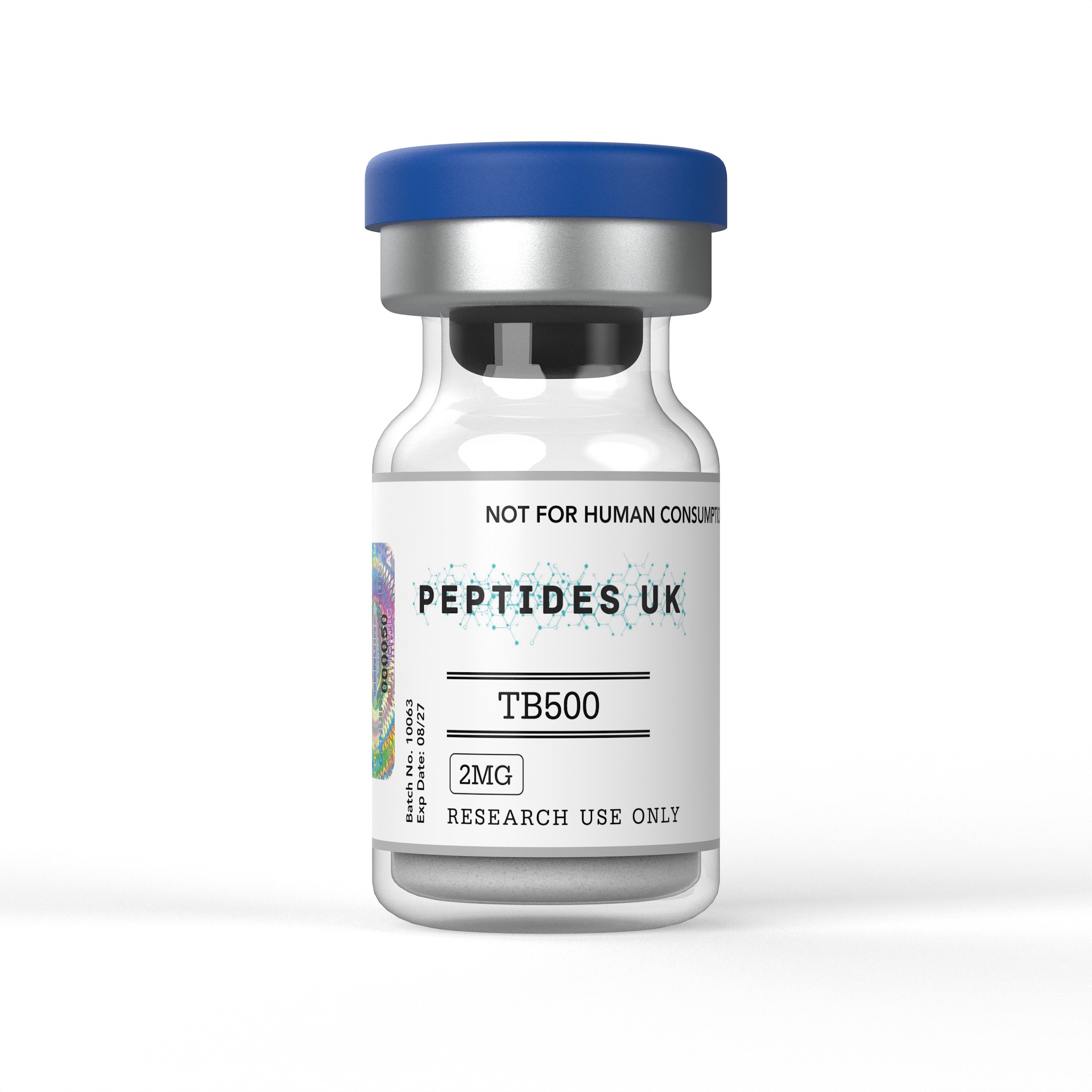
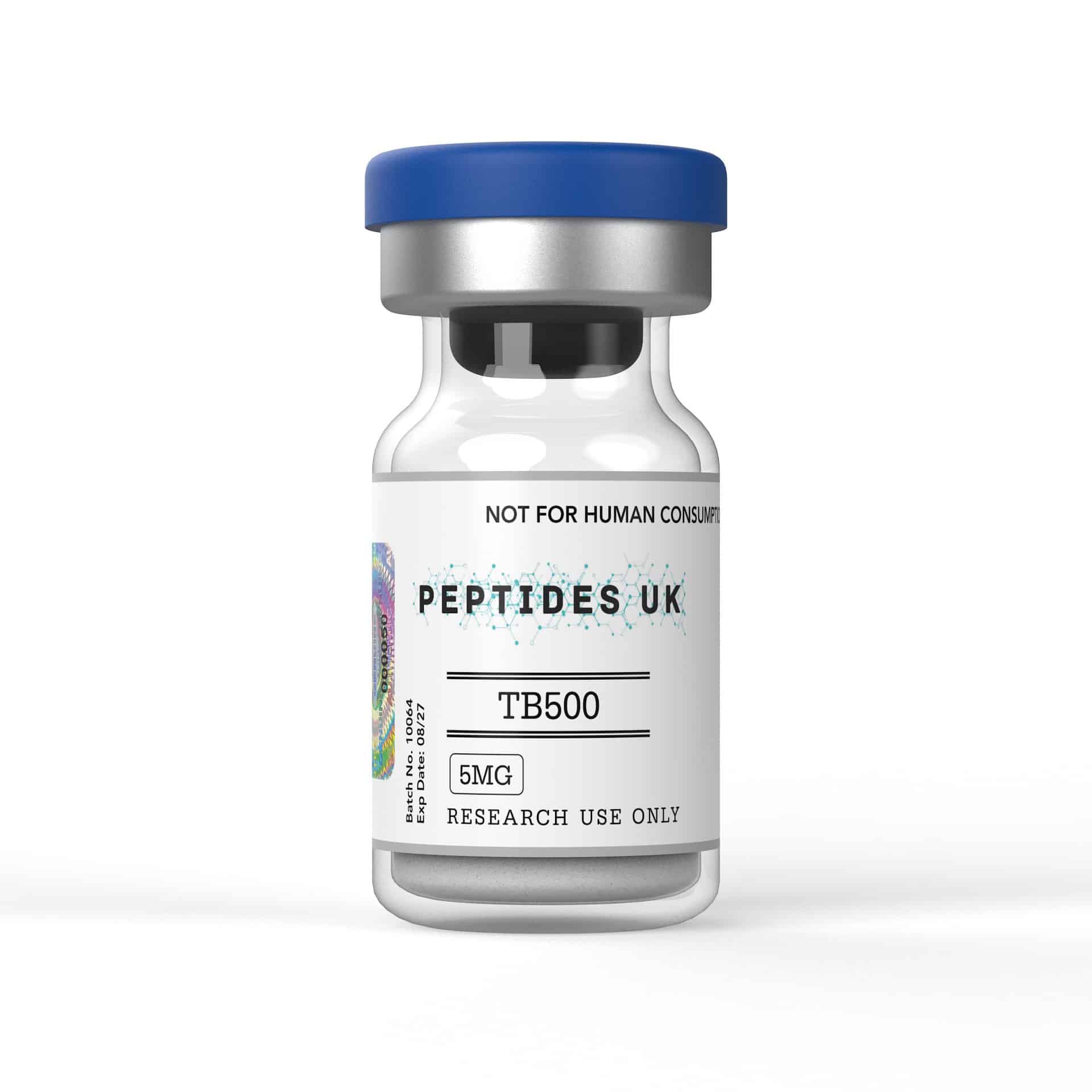
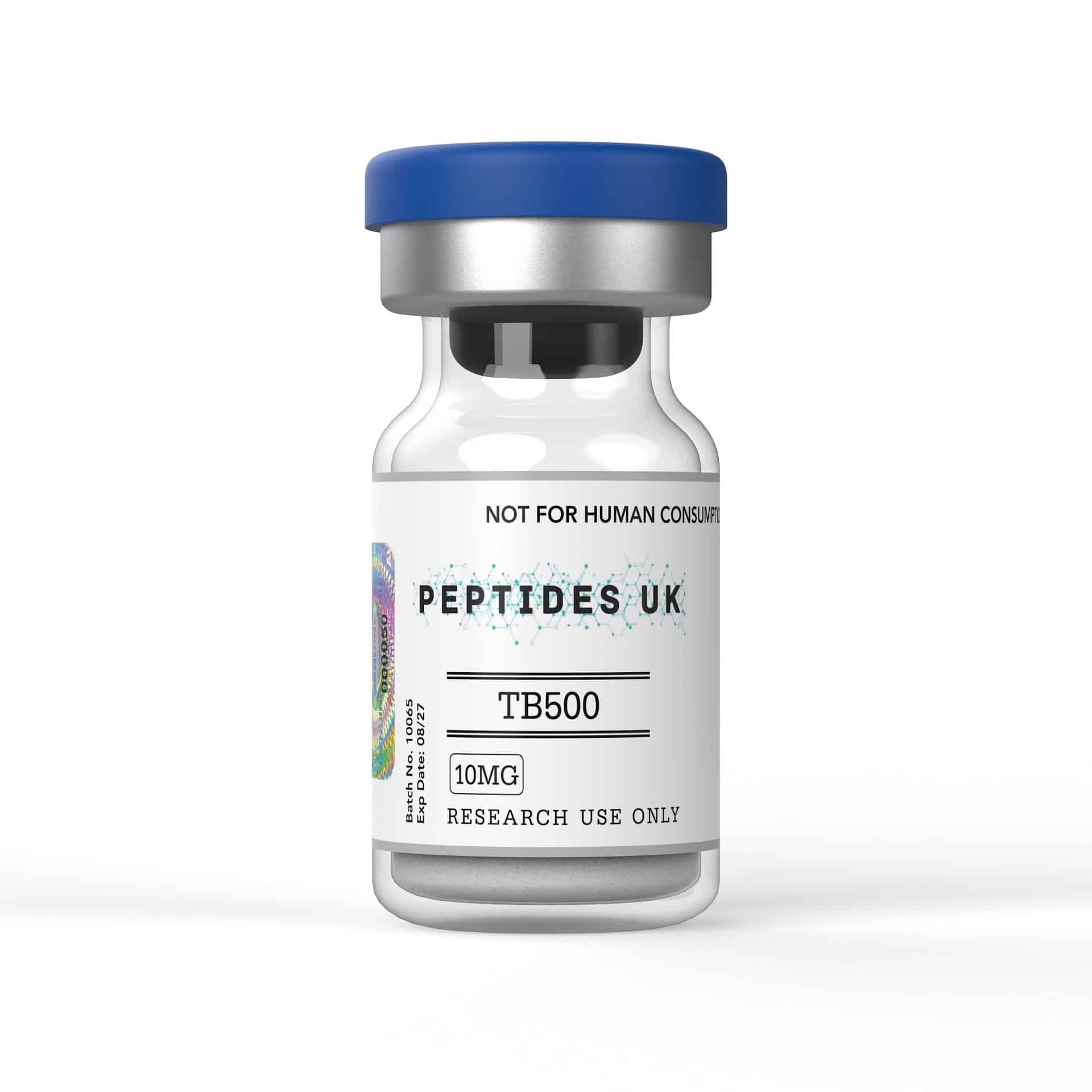
€28.00 – €46.00Price range: €28.00 through €46.00
TB-500 Ireland – Buy Online | In Stock & Ready to Ship
Buy TB-500 in Ireland with fast shipping and guaranteed ≥99% purity — verified with COA and HPLC documentation. A trusted choice for peptides Ireland research teams rely on, with no customs delays or international wait times. Whether you’re searching for TB-500 Ireland suppliers or looking to buy peptides Ireland-wide, we have you covered. Irish research teams can count on consistent stock, rapid fulfilment and full batch documentation every time.
For research use only. Not intended for human or veterinary use.

TB-500 is a synthetic peptide fragment of Thymosin Beta-4 and one of the most broadly tissue-protective and regenerative research peptides available to laboratories in Ireland — a 17 amino acid actin-sequestering peptide corresponding to the active actin-binding domain of the endogenous 43 amino acid Thymosin Beta-4 protein that drives wound healing, angiogenesis, anti-inflammatory signalling, cell migration, and tissue repair across multiple organ systems through mechanisms centred on G-actin sequestration and the regulation of actin cytoskeletal dynamics, making it a uniquely versatile research tool for studying Thymosin Beta-4 biology, actin dynamics in tissue repair, wound healing mechanisms, endothelial cell migration and angiogenesis, cardiac repair biology, and the coordinated multi-tissue regenerative response that positions TB-500 as one of the most pleiotropic repair-oriented peptides in the pre-clinical research literature. Researchers and institutions across Ireland can source verified, research-grade TB-500 directly from our Irish peptide supply, with domestic-speed dispatch and complete batch documentation.
✅ ≥99% Purity — HPLC & Mass Spectrometry Verified
✅ Batch-Specific Certificate of Analysis (CoA) Included
✅ Sterile Lyophilised Powder | GMP Manufactured
✅ Fast Dispatch to Ireland | Peptides Ireland Stock
TB-500 is a synthetic 17 amino acid peptide corresponding to the central actin-binding domain of Thymosin Beta-4 (Tβ4) — a ubiquitously expressed 43 amino acid G-actin sequestering protein that is one of the most abundant intracellular peptides in mammalian cells and the primary regulator of the monomeric G-actin pool available for actin filament assembly and disassembly. The TB-500 sequence — Ac-LKKTETQ-EKNPLPSKETIEQEKQ-NH2 in its full designation, with the core actin-binding motif LKKTETQ representing the Thymosin Beta-4 domain responsible for G-actin interaction — captures the biologically active region of Thymosin Beta-4 responsible for its actin sequestration function and the downstream cellular biology that flows from regulation of actin polymerisation dynamics.
Thymosin Beta-4 was originally characterised as a thymic peptide hormone with immune regulatory properties — its name reflecting its discovery in thymic tissue — but subsequent research has established that it is expressed ubiquitously throughout the body, present at particularly high concentrations in platelets, white blood cells, and wound fluid, and that its primary molecular function is the sequestration of G-actin monomers through direct binding that regulates the ratio of monomeric to filamentous actin in cells. This regulation of actin dynamics has cascading consequences for virtually every cellular process that depends on actin cytoskeletal organisation — including cell migration, cell division, wound healing responses, endothelial cell tube formation, cardiomyocyte survival signalling, and inflammatory cell behaviour — making Thymosin Beta-4 and its active fragment TB-500 among the most pleiotropic peptides studied in tissue repair and regenerative biology.
The actin-binding domain sequence captured in TB-500 — the LKKTETQ motif and surrounding sequence — was identified through systematic deletion and substitution analysis of Thymosin Beta-4 as the minimal region required for G-actin binding and for recapitulating the full biological activity of the intact protein in cell migration, wound healing, and angiogenesis assays. This identification of the active fragment as a shorter peptide representing only 17 of Thymosin Beta-4’s 43 amino acids has research significance — establishing that the diverse biological activities of Thymosin Beta-4 are mediated through this central actin-binding domain, and providing a more synthetically accessible research compound whose mechanism and structure-activity relationships can be studied more readily than the full-length protein.
Beyond its intracellular actin sequestration function, Thymosin Beta-4 and TB-500 have been documented to exert biological effects through extracellular mechanisms — with secreted Thymosin Beta-4 engaging cell surface receptors and interacting with extracellular matrix components in ways that regulate cell migration and survival signalling independently of intracellular actin dynamics. The integrin-linked kinase (ILK) pathway has been identified as a significant downstream signalling mediator of Thymosin Beta-4/TB-500 biological effects — with TB-500 activating ILK-dependent PI3K/Akt signalling that promotes cell survival, migration, and angiogenic responses in relevant cell populations. This dual intracellular/extracellular biology makes TB-500 a research compound whose mechanism operates at multiple cellular levels simultaneously — adding complexity and research richness to its biology beyond simple actin sequestration.
In controlled laboratory and pre-clinical settings, TB-500 is studied across a broad range of wound healing, angiogenesis, cardiac repair, anti-inflammatory, actin biology, and tissue regeneration research applications:
Actin Dynamics and G-Actin Sequestration Research — TB-500’s foundational research application is the study of actin cytoskeletal dynamics through G-actin sequestration modulation — with studies examining how TB-500 influences the ratio of monomeric G-actin to filamentous F-actin in cells, how actin polymerisation dynamics are regulated by Thymosin Beta-4 domain sequestration activity, and how modulating the available G-actin pool through TB-500 influences the actin-dependent cellular processes of migration, division, and morphological organisation. These actin biology studies have contributed to fundamental understanding of how the G-actin sequestering protein family regulates cytoskeletal dynamics and the cellular processes dependent on controlled actin assembly.
Wound Healing Biology Research — TB-500’s most extensively studied research application is wound healing — with research characterising how TB-500 influences the multiple cell types and biological processes that coordinate tissue repair following injury. Studies have examined TB-500’s effects on keratinocyte migration and re-epithelialisation, dermal fibroblast activation and matrix deposition, angiogenic vessel ingrowth into wound beds, inflammatory cell recruitment and resolution, and the overall kinetics of wound closure in pre-clinical models. TB-500 has been documented to accelerate wound healing across multiple wound types — skin incision, excision, and burn models — making wound biology the primary pre-clinical endpoint for TB-500 research.
Angiogenesis and Endothelial Cell Biology Research — TB-500’s pro-angiogenic effects through endothelial cell migration and tube formation stimulation have been extensively characterised — with research examining how TB-500 drives endothelial cell migration through actin dynamics regulation and ILK/PI3K/Akt signalling, promotes endothelial tube formation in matrigel assays, and stimulates new blood vessel formation in pre-clinical angiogenesis models. These angiogenesis biology studies have established TB-500 as one of the most potent pro-angiogenic peptides in the research literature — with documented activity in corneal angiogenesis models, ischaemic tissue revascularisation research, and wound bed vascularisation studies.
Cardiac Repair and Cardioprotection Research — TB-500’s cardiac biology has been one of the most scientifically significant research dimensions — with studies examining how TB-500 influences cardiomyocyte survival following ischaemic injury, cardiac progenitor cell activation and migration to injury sites, cardiac fibrosis parameters, and functional recovery following experimental myocardial infarction in pre-clinical models. Research has characterised TB-500-associated improvements in cardiac function parameters, reductions in infarct size, and enhanced cardiac progenitor cell involvement in repair following TB-500 treatment — establishing cardiac biology as a major secondary research focus alongside wound healing.
Anti-Inflammatory Biology Research — TB-500 has been characterised as having significant anti-inflammatory properties — with studies examining how TB-500 influences macrophage behaviour, inflammatory cytokine production, neutrophil activity at injury sites, and the transition from pro-inflammatory to anti-inflammatory and pro-repair phases of the tissue healing response. Research has documented TB-500-associated reductions in inflammatory markers in wound and injury models — contributing to understanding of how actin dynamics regulation in immune cells influences their inflammatory behaviour and how TB-500’s effects on the inflammatory microenvironment contribute to its overall tissue repair biology.
Cell Migration Research — TB-500’s regulation of actin dynamics through G-actin sequestration makes cell migration one of its most direct and mechanistically tractable research applications — with studies using scratch wound assays, transwell migration assays, and live cell imaging to characterise how TB-500 influences migration velocity, directionality, and the actin cytoskeletal organisation underlying migrating cell behaviour. Research has examined TB-500-stimulated migration across multiple cell types — keratinocytes, endothelial cells, fibroblasts, cardiac progenitor cells, and neural cells — contributing to understanding of how Thymosin Beta-4 biology regulates the universal cell migration machinery.
Integrin-Linked Kinase Signalling Research — The ILK pathway has been identified as a critical downstream mediator of TB-500’s biological effects — with research characterising how TB-500 engagement of ILK activates PI3K/Akt survival and migration signalling, influences focal adhesion dynamics, and regulates the cell-matrix interaction biology that underlies directed cell migration and survival in tissue repair contexts. These ILK biology studies have contributed to understanding of how TB-500’s extracellular signalling — distinct from its intracellular actin sequestration function — contributes to its tissue repair and survival-promoting effects.
Skeletal Muscle Repair Research — TB-500’s effects in skeletal muscle injury models have been examined — with research characterising how TB-500 influences muscle satellite cell biology, inflammatory resolution following muscle injury, and the kinetics of muscle repair in pre-clinical injury models. Studies have documented TB-500-associated improvements in muscle repair parameters — including enhanced satellite cell activity, accelerated inflammatory resolution, and improved muscle architecture restoration — contributing to understanding of how Thymosin Beta-4 biology participates in the coordinated muscle repair response alongside IGF-1 splice variant signalling and other local repair factors.
Neural Repair and Neuroprotection Research — TB-500’s biology in the nervous system has been examined — with studies characterising TB-500’s effects on neuronal survival following injury, neural progenitor cell migration, oligodendrocyte precursor cell biology and remyelination, and neuroprotection parameters in pre-clinical CNS injury models. Research has documented TB-500-associated improvements in neurological parameters following spinal cord and brain injury in pre-clinical models — establishing neural repair as a research dimension for TB-500 biology beyond its primary peripheral tissue repair context.
Corneal and Ocular Biology Research — TB-500’s effects in corneal wound healing and ocular biology have been studied — with research examining how TB-500 influences corneal epithelial cell migration and re-epithelialisation following corneal injury, corneal angiogenesis, and ocular surface biology. These corneal biology studies have been among the most mechanistically informative TB-500 research applications — allowing direct in vivo visualisation of wound healing and angiogenesis biology in the transparent corneal tissue and providing a research model for studying TB-500’s wound healing and angiogenic mechanisms in a directly observable tissue context.
Hair Follicle Biology Research — TB-500’s expression in hair follicles and its effects on hair follicle biology have been examined — with research characterising Thymosin Beta-4’s role in hair follicle stem cell activation, hair cycle regulation, and hair follicle morphogenesis. Studies have documented TB-500-associated effects on hair follicle biology parameters — contributing to understanding of how actin dynamics regulation through Thymosin Beta-4 biology participates in the stem cell-dependent cycling biology of hair follicle regeneration.
TB-500 has generated a substantial and scientifically significant research literature — spanning fundamental actin biology, wound healing, angiogenesis, cardiac repair, and neural regeneration — building on decades of Thymosin Beta-4 research that established the biological framework within which TB-500’s active fragment biology is understood.
G-Actin Sequestration Mechanism Established — Foundational research characterising Thymosin Beta-4 biology established the G-actin sequestration mechanism that underlies TB-500’s biological activity — with structural biology and biochemical studies documenting the direct binding between the Thymosin Beta-4 LKKTETQ actin-binding motif and monomeric G-actin, characterising the stoichiometry and affinity of this interaction, and establishing how Thymosin Beta-4-mediated G-actin sequestration regulates the dynamics of actin filament assembly and disassembly. These foundational actin biology studies established the molecular basis for Thymosin Beta-4 and TB-500’s diverse cellular effects through actin cytoskeletal regulation.
Active Fragment Identification Validated — Research systematically characterising the structure-activity relationships of Thymosin Beta-4 through deletion and substitution analysis validated TB-500’s sequence as the minimal active fragment retaining full biological activity — confirming that the 17 amino acid actin-binding domain peptide reproduces the wound healing, cell migration, and angiogenic effects of intact Thymosin Beta-4 in relevant assay systems. This active fragment validation established the research rationale for using TB-500 as a synthetic research tool for Thymosin Beta-4 biology and provided important structural information about which regions of the protein are responsible for its diverse biological activities.
Wound Healing Acceleration Documented Across Multiple Models — Research has comprehensively documented TB-500-associated wound healing acceleration in multiple pre-clinical wound models — including skin incision, excision, diabetic wound, and corneal wound models. Studies have characterised improvements in wound closure rates, enhanced re-epithelialisation, improved granulation tissue formation, increased angiogenesis in wound beds, and superior wound tensile strength in TB-500-treated wounds compared to controls — with the totality of wound healing research establishing TB-500 as one of the most potent wound healing-promoting peptides studied in pre-clinical models.
Cardiac Repair Effects in Myocardial Infarction Models Documented — Research examining TB-500 in pre-clinical myocardial infarction models has documented significant cardiac repair effects — including reductions in infarct size, preservation of cardiac ejection fraction, enhanced cardiac progenitor cell migration to injury sites, attenuation of cardiac fibrosis, and improvements in cardiac function parameters following experimental myocardial infarction and TB-500 treatment. These cardiac biology findings have been among the most compelling pre-clinical evidence for TB-500’s tissue repair potential — establishing a research foundation for studying TB-500’s cardiac biology mechanisms and the contribution of Thymosin Beta-4 signalling to endogenous cardiac repair responses.
Pro-Angiogenic Effects Confirmed in Multiple Assay Systems — TB-500’s pro-angiogenic biology has been confirmed across multiple angiogenesis research assay systems — including endothelial cell tube formation in matrigel, corneal angiogenesis models, ischaemic limb revascularisation models, and wound bed vascularisation studies. Research has characterised the dose-response relationship for TB-500-driven endothelial cell migration and tube formation, documented the ILK/PI3K/Akt signalling pathway mediating these angiogenic responses, and confirmed that TB-500 is among the most potent small peptide pro-angiogenic research compounds in the literature — establishing angiogenesis as a primary and well-validated biological effect of TB-500.
Neural Repair and Remyelination Research Documented — Studies examining TB-500 in neural injury models have documented improvements in neurological parameters — including enhanced axonal regeneration markers, oligodendrocyte precursor cell migration toward demyelinated lesion sites, improved remyelination parameters, and attenuation of neurological deficit scores in relevant pre-clinical CNS injury paradigms. These neural repair findings have established TB-500 as a multi-tissue repair peptide whose biology extends from peripheral wound healing and cardiac repair to CNS injury repair — reflecting the ubiquitous expression of Thymosin Beta-4 across tissue types and its fundamental role as an actin dynamics regulator in diverse tissue repair contexts.
ILK Pathway as Key Downstream Signalling Mediator Characterised — Research has established integrin-linked kinase activation as a critical downstream signalling mechanism for TB-500’s biological effects — with studies documenting ILK phosphorylation following TB-500 treatment, characterising downstream Akt activation and anti-apoptotic signalling through the ILK pathway, and demonstrating that ILK inhibition attenuates TB-500’s pro-survival and pro-migratory effects in relevant cell systems. These ILK biology studies have contributed important mechanistic understanding of how TB-500’s extracellular signalling beyond intracellular actin sequestration drives the survival and migration responses central to its tissue repair biology.
Anti-Inflammatory Effects Characterised — Research has documented TB-500-associated anti-inflammatory effects in wound and injury models — with studies characterising reduced pro-inflammatory cytokine levels, attenuated neutrophil and macrophage inflammatory activity, and accelerated transition to the anti-inflammatory repair phase of tissue healing following TB-500 treatment. These anti-inflammatory findings have contributed to understanding of how TB-500’s effects on immune cell actin dynamics influence their inflammatory behaviour — establishing the anti-inflammatory biology of TB-500 as a contributing mechanism to its overall wound healing and tissue repair effects rather than simply a consequence of accelerated repair.
| Feature | TB-500 | BPC-157 | GHK-Cu | Thymosin Alpha-1 | KPV |
|---|---|---|---|---|---|
| Type | Thymosin Beta-4 active fragment — 17aa | Gastric pentadecapeptide — 15aa | Copper-binding tripeptide | Thymic peptide — 28aa | Alpha-MSH C-terminal tripeptide |
| Primary Mechanism | G-actin sequestration / ILK-PI3K/Akt / actin dynamics | Nitric oxide / VEGF / growth factor receptor modulation | Copper chelation / HSP expression / matrix remodelling | Immune regulation / T-cell maturation / antiviral | MC1R agonism / NF-kB anti-inflammatory |
| Primary Repair Target | Multi-tissue — wound, cardiac, neural, muscle | Gastrointestinal primarily / tendon / bone | Skin — collagen / matrix remodelling | Immune system — T-cell biology | Inflammatory biology — gut and systemic |
| Angiogenic Activity | Strong — primary documented effect | Moderate | Moderate | Low | Low |
| Cardiac Repair | Well-documented | Limited | Limited | Limited | Limited |
| Wound Healing | Extensively documented | Documented | Well-documented — skin specific | Limited | Limited — anti-inflammatory contribution |
| Neural Repair | Documented | Limited | Limited | Limited | Limited |
| Actin Biology | Primary mechanism | No | No | No | No |
| Anti-inflammatory | Well-documented | Well-documented | Moderate | Strong — immune-mediated | Strong — primary mechanism |
| Research Profile | Extensively studied | Extensively studied | Extensively studied | Well-documented | Growing |
| Parameter | Detail |
|---|---|
| Name | TB-500 |
| Full Designation | Thymosin Beta-4 Active Fragment — Actin-Binding Domain Peptide |
| Parent Protein | Thymosin Beta-4 (Tβ4) — 43 amino acid G-actin sequestering protein |
| Length | 17 amino acids |
| Core Actin-Binding Motif | LKKTETQ — Thymosin Beta-4 actin sequestration domain |
| Molecular Weight | ~2 kDa |
| Primary Mechanism | G-actin sequestration — actin dynamics regulation / ILK-PI3K/Akt signalling |
| Key Research Applications | Wound healing / angiogenesis / cardiac repair / anti-inflammatory / neural repair |
| Expression Pattern | Ubiquitous — high in platelets, leukocytes, wound fluid |
| Key Research Distinction | Most pleiotropic repair peptide in pre-clinical literature — multi-tissue regenerative biology |
| Purity | ≥99% HPLC & MS Verified |
| Form | Sterile Lyophilised Powder |
| Solubility | Sterile water or bacteriostatic water — see reconstitution note |
| Storage (Powder) | -20°C, protect from light and moisture |
| Storage (Reconstituted) | 2–8°C — use within 14 days or aliquot at -80°C |
| Manufacturing | GMP Manufactured |
| Intended Use | Research use only |
TB-500 reconstitutes readily in sterile water or bacteriostatic water — bacteriostatic water is preferred when the reconstituted stock will be used across multiple experimental sessions, as the benzyl alcohol preservative maintains sterility over the extended use period. Allow the vial to reach room temperature before opening. Add sterile or bacteriostatic water slowly down the inside wall of the vial and swirl gently — do not inject directly onto the lyophilised powder and do not vortex or shake vigorously. TB-500 dissolves readily and does not typically require acetic acid water as used with IGF family peptides. Prepare a concentrated stock solution and dilute to working concentration in PBS or appropriate cell culture buffer as required by your research protocol. Store reconstituted stock in bacteriostatic water at 2–8°C for up to 14 days, or aliquot into single-use volumes in sterile water and store at -80°C for longer-term preservation. Avoid repeated freeze-thaw cycles to maintain peptide structural integrity and biological activity across experimental sessions. Use low-binding tubes at low working concentrations to minimise surface adsorption losses.
Every order of TB-500 in Ireland includes:
✅ Batch-Specific Certificate of Analysis (CoA)
✅ HPLC Chromatogram
✅ Mass Spectrometry Confirmation
✅ Sterility & Endotoxin Testing Report
✅ Reconstitution Protocol
✅ Technical Research Support
Yes — we supply research-grade TB-500 to researchers and institutions across Ireland with fast dispatch and full batch documentation. This compound is supplied strictly for laboratory research purposes only.
TB-500 is the synthetic peptide fragment corresponding to the central actin-binding domain of Thymosin Beta-4 — specifically the 17 amino acid region containing the LKKTETQ motif responsible for G-actin sequestration and the downstream biological activities of the full 43 amino acid protein. The relationship is that TB-500 is a truncated active fragment of Thymosin Beta-4 — identified through systematic deletion analysis as the minimal sequence retaining the full biological activity of the intact protein in wound healing, cell migration, and angiogenesis assays. In research practice, TB-500 and Thymosin Beta-4 are often used interchangeably as research tools for studying Thymosin Beta-4 biology — with TB-500 offering practical research advantages of synthetic accessibility, defined purity, and more straightforward characterisation compared to the full recombinant protein, while the full-length Thymosin Beta-4 offers the complete protein context including N-terminal and C-terminal regions flanking the active domain. For the vast majority of Thymosin Beta-4 biology research applications — wound healing, angiogenesis, cardiac repair, cell migration — TB-500 is the standard research tool, with its active fragment biology considered representative of the tissue repair and regenerative biology of the intact protein.
The connection between G-actin sequestration and tissue repair biology runs through the fundamental role of actin cytoskeletal dynamics in virtually every cellular process involved in tissue repair. Cell migration — the most universally required process in wound healing, angiogenesis, immune cell recruitment, and tissue repair — depends on tightly regulated cycles of actin polymerisation at the leading edge and depolymerisation at the trailing edge to drive the lamellipodia and filopodia extensions that propel cells toward repair sites. By sequestering the G-actin monomer pool, TB-500 regulates the availability of monomeric actin for incorporation into growing filaments — influencing the rate and spatial organisation of actin polymerisation that determines cell migration speed and directional persistence. Beyond migration, actin dynamics regulate the morphological changes required for endothelial cells to form tube-like structures during angiogenesis, the contractile ring formation required for cell division in proliferating repair cell populations, the stress fibre organisation that determines fibroblast mechanical properties in wound contraction, and the signalling scaffolding roles of the actin cytoskeleton in multiple growth factor receptor pathways. TB-500’s regulation of G-actin availability therefore has broad downstream consequences across the full spectrum of cellular processes that execute tissue repair — making it a pleiotropic repair peptide through a single unifying molecular mechanism.
Thymosin Beta-4 is expressed at high levels in the developing heart and in adult cardiac tissue under stress conditions — with cardiac Thymosin Beta-4 biology characterised as part of the endogenous cardiac repair response that is activated following ischaemic injury. The cardiac research significance of TB-500 is grounded in the evidence that Thymosin Beta-4 biology serves multiple functions in the injured heart simultaneously — cardiomyocyte survival promotion through ILK/PI3K/Akt anti-apoptotic signalling, cardiac progenitor cell activation and migration toward the ischaemic injury border zone, angiogenesis stimulation in the peri-infarct region to restore oxygen delivery to at-risk myocardium, and anti-fibrotic effects that attenuate the non-functional scar tissue formation that impairs cardiac function following myocardial infarction. Pre-clinical myocardial infarction studies have documented TB-500-associated improvements across all of these parameters — establishing cardiac biology as one of the most scientifically compelling and extensively documented research dimensions of TB-500, and motivating ongoing research into the mechanisms through which Thymosin Beta-4 biology participates in the endogenous cardiac repair response.
TB-500 and BPC-157 are both extensively studied tissue repair peptides with documented regenerative effects across multiple tissue types — but they operate through distinct mechanisms and have complementary rather than overlapping primary research applications. TB-500’s mechanism is centred on G-actin sequestration and ILK/PI3K/Akt signalling — producing tissue repair effects through regulation of actin cytoskeletal dynamics in migrating repair cells, endothelial cells, and progenitor cell populations, with particularly strong documented effects in wound healing, angiogenesis, cardiac repair, and neural repair. BPC-157’s mechanism involves nitric oxide pathway modulation, VEGF expression, and growth factor receptor biology — producing tissue repair effects with particularly strong documented activity in gastrointestinal biology, tendon repair, and bone healing, alongside systemic anti-inflammatory and cytoprotective effects. The two compounds are used as complementary research tools — TB-500 for research contexts where actin dynamics regulation, angiogenesis, cardiac biology, or neural repair are the primary focus, and BPC-157 for research contexts where gastrointestinal biology, tendon healing, or nitric oxide-dependent repair mechanisms are central. Researchers studying broad tissue repair biology sometimes examine both compounds to characterise how distinct repair mechanisms interact and potentially complement each other in complex injury models.
Yes — TB-500’s neural repair biology has been an active research area, with studies examining its effects in multiple CNS and PNS injury models. The mechanistic basis for TB-500’s neural repair activity is the expression of Thymosin Beta-4 in neuronal and glial cells and its role in regulating the actin dynamics that underlie neural cell migration, axonal growth cone advance, and the oligodendrocyte precursor cell migration toward demyelinated lesion sites that initiates remyelination. Research has documented TB-500-associated improvements in axonal regeneration markers following spinal cord injury, enhanced oligodendrocyte precursor cell recruitment to demyelinated lesions, and attenuation of neurological deficit scores in relevant pre-clinical CNS injury paradigms. The ILK/PI3K/Akt survival signalling activated by TB-500 is also relevant to neuronal survival following ischaemic and traumatic CNS injury — providing an anti-apoptotic neuroprotective mechanism alongside the pro-migratory effects on neural repair cell populations. These neural repair findings have extended TB-500’s research significance well beyond its primary peripheral tissue repair context — establishing it as a multi-system repair peptide whose actin dynamics mechanism operates across tissue types including the central nervous system.
The ubiquitous expression of Thymosin Beta-4 — present in virtually every tissue examined, at particularly high concentrations in platelets and leukocytes, and released in large quantities at wound and injury sites — distinguishes it from growth factors and repair peptides with more restricted expression patterns and has important implications for understanding its biology. The constitutive abundance of Thymosin Beta-4 protein in cells reflects its role as a fundamental regulator of the G-actin pool that is required for baseline cytoskeletal function — not merely an inducible repair signal but a continuously expressed molecular buffer maintaining appropriate G-actin to F-actin ratios in all cells at all times. The high concentrations in platelets and leukocytes ensure that tissue injury — accompanied by platelet degranulation and immune cell infiltration — creates an immediate local concentration of Thymosin Beta-4 at the injury site, positioning it as an early-release local repair signal whose biology begins before transcriptionally regulated growth factor responses can establish themselves. This constitutive abundance combined with injury-site concentration creates a research context in which exogenous TB-500 is supplementing and amplifying an endogenous repair biology rather than introducing a foreign signal — a distinction with implications for how TB-500’s research findings are interpreted in the context of endogenous tissue repair mechanisms.
≥99% purity is strongly recommended for actin dynamics research, wound healing assays, angiogenesis studies, cardiac repair biology, neural repair experiments, cell migration research, and in vivo pre-clinical tissue repair models — where compound purity directly determines the reliability of biological outcomes and mechanistic attribution. Given TB-500’s pleiotropic biology across multiple tissue types and cell populations, peptide impurities could introduce confounding biological signals across the broad range of assay systems in which TB-500 is studied — making high purity verification particularly important for research designs involving multiple endpoints or comparative studies. All TB-500 Ireland stock is independently verified to ≥99% purity by HPLC and mass spectrometry.
Allow the vial to reach room temperature before opening. Add sterile water or bacteriostatic water slowly down the inside wall of the vial and swirl gently — do not inject directly onto the lyophilised powder and do not vortex or shake vigorously. TB-500 dissolves readily in water without requiring acetic acid. For multi-session research protocols, bacteriostatic water is recommended to maintain sterility across the use period — store reconstituted bacteriostatic water stock at 2–8°C for up to 14 days. For single-session use or long-term storage, reconstitute in sterile water, aliquot into single-use volumes, and store at -80°C to preserve peptide integrity between experimental sessions. Dilute to working concentration in PBS or appropriate cell culture buffer as required by your research protocol. Use low-binding tubes at low working concentrations to minimise surface adsorption losses. Avoid repeated freeze-thaw cycles to maintain consistent biological activity across experimental replicates.
TB-500 is supplied exclusively for legitimate scientific research purposes conducted within licensed laboratory environments. This product is not intended for human consumption, self-administration, or any therapeutic application. It must be handled by qualified researchers in compliance with applicable Irish and EU regulations and institutional ethics guidelines. By purchasing, you confirm that this compound will be used solely for approved in vitro or pre-clinical research purposes.

WhatsApp us
Receive News
