PRODUCTS SOLD ON PEPTIDESLABIRELAND.COM ARE FOR RESEARCH PURPOSES ONLY AND ARE NOT FOR HUMAN OR VETERINARY USE.
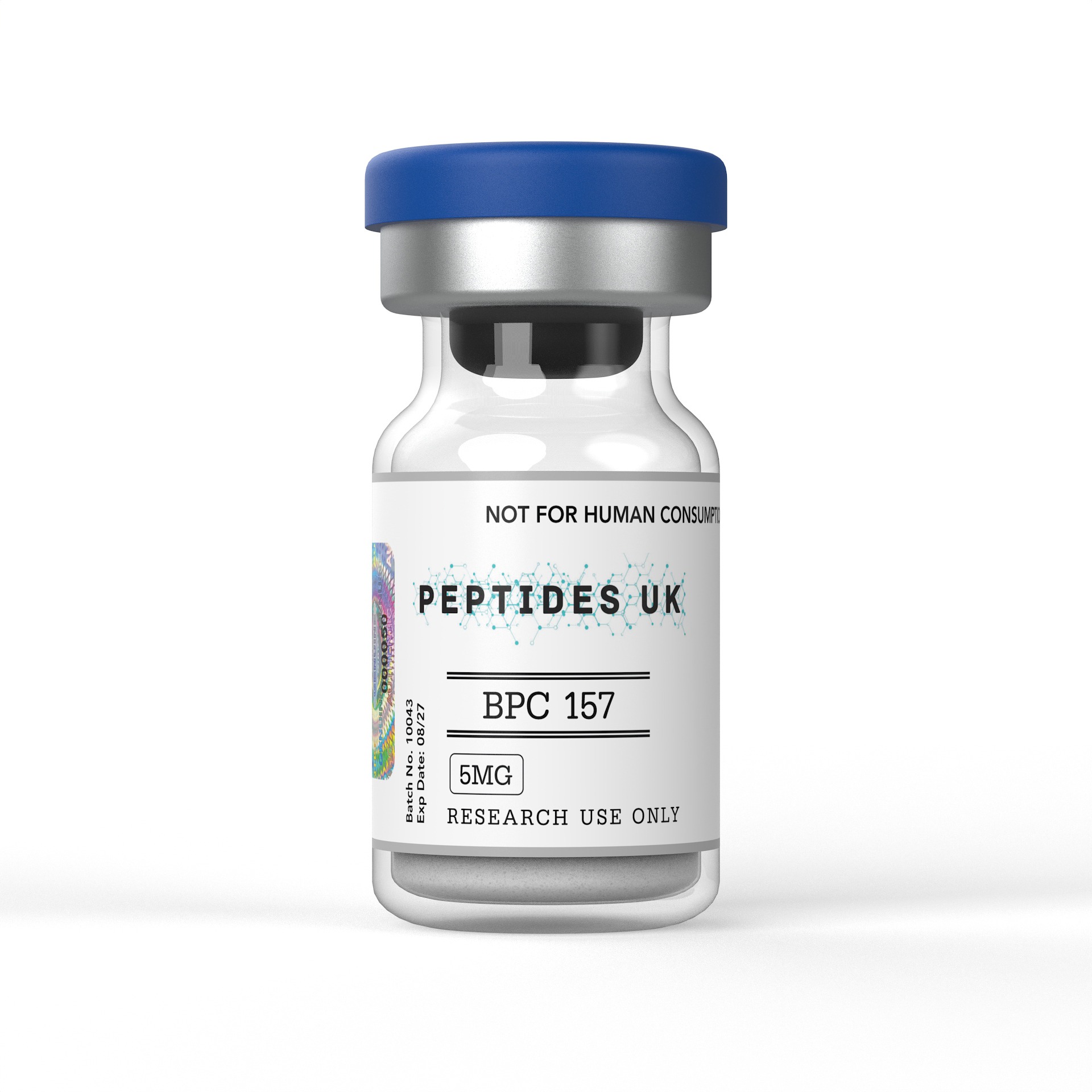
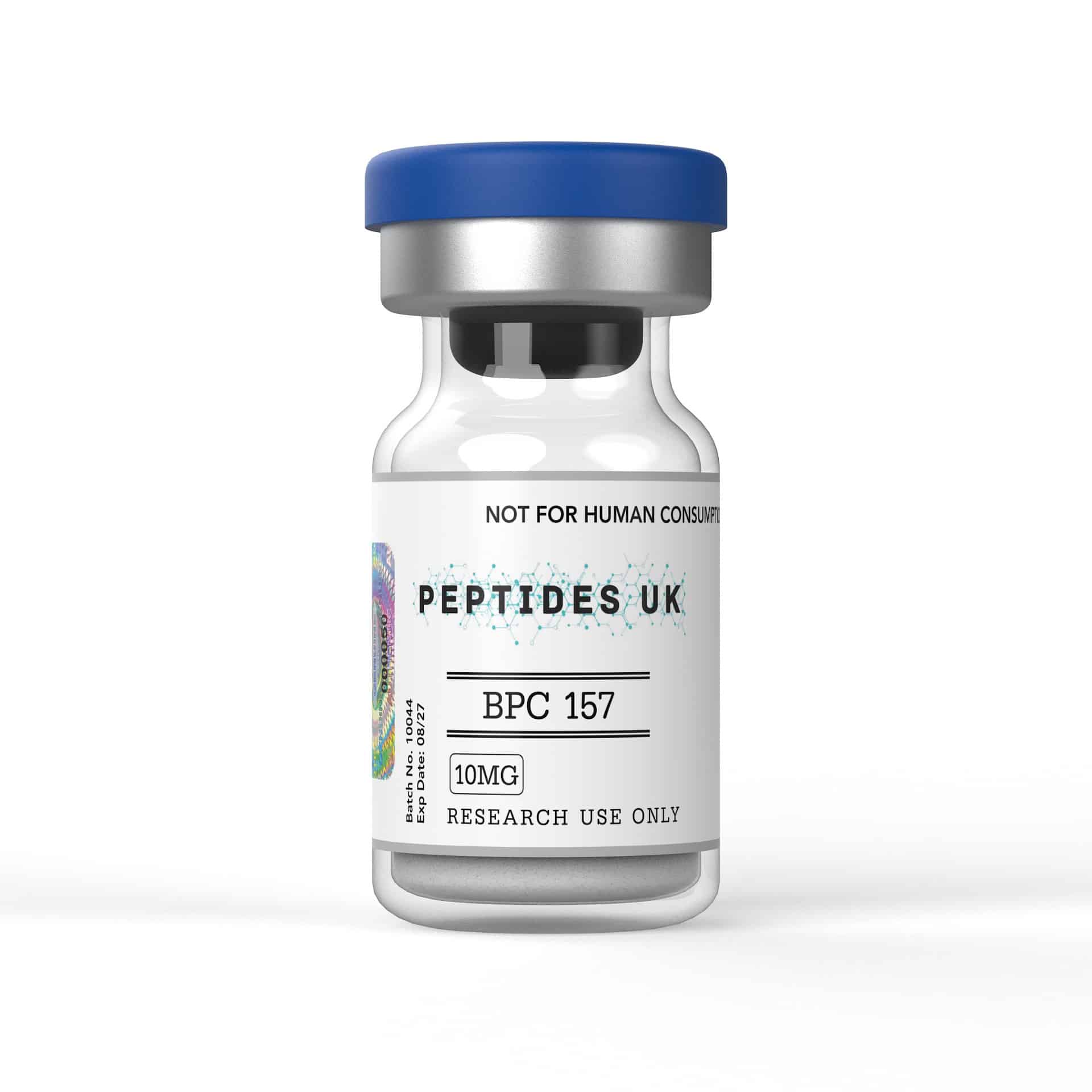
€21.50 – €39.50Price range: €21.50 through €39.50
BPC-157 Ireland – Buy Online | In Stock & Ready to Ship
Buy BPC-157 in Ireland with fast shipping and guaranteed ≥99% purity — verified with COA and HPLC documentation. A trusted choice for peptides Ireland research teams rely on, with no customs delays or international wait times. Whether you’re searching for BPC-157 Ireland suppliers or looking to buy peptides Ireland-wide, we have you covered. Irish research teams can count on consistent stock, rapid fulfilment and full batch documentation every time.
For research use only. Not intended for human or veterinary use.


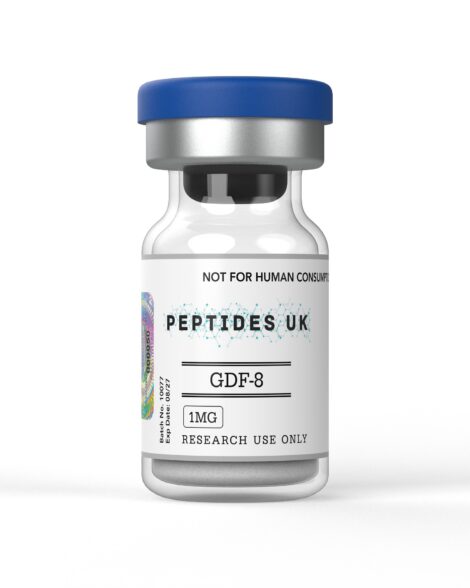
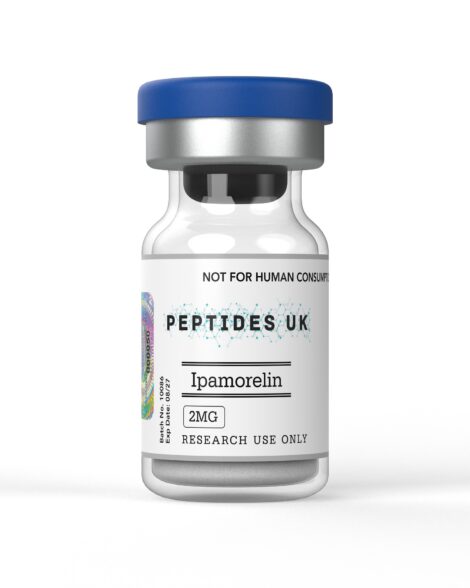

HGH 191AA — Recombinant Human Growth Hormone, 191 Amino Acid — is a synthetic recombinant 191-amino acid single-chain polypeptide and the complete reference human growth hormone research compound available to laboratories in Ireland — a full-length somatotropin protein replicating the native pituitary-derived 22kDa hGH isoform that activates the growth hormone receptor (GHR) through canonical receptor dimerisation and JAK2-STAT5 signal transduction to drive the complete spectrum of GH biology including IGF-1 axis activation, anabolic and growth-promoting effects, lipolytic fat mobilisation, insulin-antagonising metabolic biology, somatotroph feedback regulation, and the full range of GH-mediated tissue, cellular, and systemic biological responses — making it an indispensable research tool for studying GH receptor pharmacology and JAK2-STAT5-IGF-1 axis signal transduction, the complete GH biological response profile encompassing anabolic, lipolytic, metabolic, and immunomodulatory biology, GH receptor binding kinetics and dimerisation mechanisms, downstream IGF-1 production and IGF-1 receptor signalling biology, the feedback regulation of hypothalamic GHRH and somatostatin by circulating GH and IGF-1, GH-driven transcriptional programmes in liver, muscle, bone, adipose, and immune tissue, the comparative biology of full-length GH versus GH-derived peptide fragments and indirect GH secretagogue compounds, GH receptor antagonist pharmacology and GHR signal transduction inhibitor research, and GH isoform biology and post-translational modification research in the full context of the somatotropic axis. Researchers and institutions across Ireland can source verified, research-grade HGH 191AA directly from our Irish peptide and protein supply, with domestic-speed dispatch and complete batch documentation.
✅ ≥99% Purity — SDS-PAGE, RP-HPLC & Mass Spectrometry Verified
✅ Batch-Specific Certificate of Analysis (CoA) Included
✅ Sterile Lyophilised Powder | GMP Manufactured | Recombinant E. coli or CHO Expression
✅ Fast Dispatch to Ireland | Peptides Ireland Stock
HGH 191AA — Recombinant Human Growth Hormone, 191 Amino Acid, somatotropin — is the full-length recombinant form of the predominant pituitary-secreted 22kDa human growth hormone isoform produced through recombinant expression in E. coli or Chinese hamster ovary cell systems and purified to research grade with sequence identity to the native pituitary somatotropin 191-amino acid sequence. Native human growth hormone is a single-chain polypeptide of 191 amino acids — molecular weight approximately 22,124 Da — folded into a characteristic four-helix bundle tertiary structure stabilised by two disulphide bridges between Cys53-Cys165 and Cys182-Cys189, with a complex post-translational modification profile in the pituitary that includes acetylation, deamidation, and alternative splicing generating multiple GH isoforms including the predominant 22kDa form, the 20kDa alternative splice isoform, and higher molecular weight oligomeric forms — with the 22kDa recombinant 191AA form representing the biologically active reference isoform used in research and as the basis for all approved recombinant somatotropin therapeutic products.
Growth hormone was identified by Evans and Long in 1921 as a pituitary-derived factor promoting growth in rodents, and the complete biological characterisation of human GH biology spans more than a century of endocrinology research establishing GH as the master anabolic hormone of the somatotropic axis — coordinating postnatal growth, body composition regulation, protein synthesis, lipolysis, carbohydrate metabolism, bone metabolism, immune function, and tissue repair through a combination of direct GH receptor-mediated effects and indirect IGF-1-mediated anabolic biology. The GH receptor — GHR — is a single-pass type I transmembrane receptor of the cytokine receptor superfamily expressed ubiquitously across tissues with highest expression in liver, muscle, bone, adipose tissue, kidney, and immune cells — signalling through a sequential dimerisation mechanism in which one GH molecule engages two GHR monomers sequentially through distinct Site 1 and Site 2 receptor contact interfaces to form the active 1:2 GH-GHR dimer complex that drives JAK2 transphosphorylation and downstream signal transduction.
Recombinant HGH 191AA produced in E. coli expression systems is the non-glycosylated form of the native protein — native pituitary GH is not glycosylated, distinguishing it from many other recombinant therapeutic proteins, and E. coli-expressed recombinant HGH 191AA therefore replicates the post-translational modification status of native pituitary GH with high fidelity provided that correct disulphide bridge formation is achieved during refolding. The two disulphide bridges — Cys53-Cys165 forming the large loop and Cys182-Cys189 forming the small C-terminal loop — are essential for correct four-helix bundle folding, GHR binding Site 1 and Site 2 geometry, and full GH receptor activation potency. Recombinant HGH 191AA therefore requires careful disulphide integrity verification as a critical quality specification distinguishing correctly folded biologically active GH from reduced or misfolded forms with substantially impaired receptor activity.
In controlled laboratory and pre-clinical settings, HGH 191AA is studied across GH receptor pharmacology, JAK2-STAT5 signal transduction, IGF-1 axis biology, anabolic and growth-promoting tissue research, lipolytic and metabolic biology, bone biology, immune modulation, GH feedback regulation, and comparative GH biology applications spanning the complete somatotropic axis:
HGH 191AA is the reference GHR agonist for complete GH receptor pharmacology research — used to characterise GHR binding kinetics at Site 1 and Site 2, receptor dimerisation dynamics, JAK2 transphosphorylation, STAT5a and STAT5b phosphorylation and nuclear translocation, STAT5 target gene transcription, and the complete downstream signalling network including secondary MAPK-ERK, PI3K-Akt, and IRS-1 pathway activation in GHR-expressing cell models across liver, muscle, adipose, and immune tissue contexts. Research uses HGH 191AA to establish canonical GHR activation profiles — characterising concentration-response relationships for JAK2 and STAT5 phosphorylation, SOCS protein feedback inhibition kinetics, GHR ubiquitination and downregulation dynamics, and the tissue-specific STAT5 target gene repertoire including IGF-1, IGFBP-3, GHR itself, and metabolic enzyme genes. These comprehensive signal transduction studies provide the complete GHR activation reference dataset against which GH analogues, GHR antagonists, and GH secretagogue-driven endogenous GH responses are pharmacologically evaluated.
HGH 191AA is the reference GHR agonist for studying hepatic IGF-1 production and IGF-1 axis biology — driving STAT5b-mediated IGF-1 gene transcription in hepatocytes, IGF-1 protein synthesis and secretion, IGFBP-3 and ALS production, and the assembly of the ternary IGF-1-IGFBP-3-ALS complex that constitutes the circulating IGF-1 reservoir. Research has characterised HGH 191AA-driven IGF-1 axis activation in primary hepatocyte cultures, hepatocyte cell lines, and in vivo rodent models — examining STAT5b target gene transcription kinetics, IGF-1 secretion dose-response relationships, the contribution of GHR expression density to hepatic IGF-1 production capacity, and how insulin co-signalling through IRS-1 is required for full GH-driven hepatic IGF-1 production. These IGF-1 axis studies have established HGH 191AA as the reference GHR agonist for studying the primary endocrine arm of the somatotropic axis and the benchmark for evaluating IGF-1 production responses to endogenous GH released by GH secretagogue compounds.
HGH 191AA drives anabolic biology in skeletal muscle through a combination of direct GHR-mediated effects and indirect IGF-1-mediated IGF-1R signalling — stimulating protein synthesis, satellite cell activation, myofibre hypertrophy, and nitrogen retention through mechanisms that include both GHR-JAK2-STAT5 direct muscle biology and IGF-1-IGF-1R-PI3K-Akt-mTOR anabolic signalling. Research has characterised HGH 191AA’s skeletal muscle biology — examining GHR expression in myoblasts and mature myofibres, direct GHR-mediated protein synthesis stimulation, satellite cell activation responses to GH, the relative contributions of local muscle IGF-1 production versus systemic liver-derived IGF-1 to GH-driven skeletal muscle anabolism, and the molecular effectors of GH-driven muscle protein accretion including mTOR complex 1 activation, S6 kinase phosphorylation, and 4EBP1-eIF4E translational initiation enhancement. These anabolic biology studies have established HGH 191AA as the reference compound for studying the complete direct and IGF-1-mediated anabolic biology of growth hormone in skeletal muscle tissue.
HGH 191AA drives lipolytic biology in adipose tissue through direct GHR-mediated effects in adipocytes — producing triglyceride hydrolysis, free fatty acid mobilisation, and anti-lipogenic suppression of fat storage through JAK2-STAT5 and secondary signalling pathway-mediated hormone-sensitive lipase activation and transcriptional regulation of lipogenic enzymes. Research has characterised HGH 191AA’s adipose tissue biology — examining GHR expression and JAK2-STAT5 signalling in primary adipocytes and adipocyte cell lines, direct GHR-mediated lipolysis mechanisms, the contribution of indirect effects through IGF-1 and insulin counter-regulatory biology to net adipose tissue lipid metabolism, visceral versus subcutaneous adipose depot sensitivity differences to GHR-mediated lipolysis, and how the GH lipolytic domain biology characterised through HGH Fragment 176-191 and AOD9604 research relates to full-length GHR-mediated adipose biology. These lipolytic studies have established HGH 191AA as the reference complete GH compound for studying whole-GH molecule adipose tissue biology and the benchmark for evaluating fragment-selective versus receptor-mediated lipolytic pharmacology.
HGH 191AA drives skeletal growth and bone metabolism through direct GHR effects at growth plate chondrocytes and osteoblasts, and through IGF-1-mediated chondrocyte proliferation and differentiation in the growth plate — establishing GH as the primary endocrine regulator of linear bone growth. Research has characterised HGH 191AA’s bone biology across growth plate chondrocyte cultures, primary osteoblast models, and in vivo rodent skeletal growth paradigms — examining GHR expression and JAK2-STAT5 signalling in growth plate chondrocytes, IGF-1-driven chondrocyte clonal expansion in the proliferative zone, osteoblast differentiation and bone formation marker responses to GH, and the relative contributions of endocrine systemic IGF-1 versus locally produced bone IGF-1 to GH-driven skeletal anabolism. These bone biology studies have established HGH 191AA as the reference GHR agonist for studying the complete skeletal biology of the somatotropic axis from growth plate to cortical and trabecular bone remodelling.
HGH 191AA produces insulin-antagonising metabolic effects at pharmacological doses — reducing glucose uptake in peripheral tissues, increasing hepatic glucose production, and inducing insulin resistance through GHR-mediated IRS-1 serine phosphorylation, SOCS protein induction suppressing insulin receptor signal transduction, and free fatty acid elevation-driven peripheral insulin resistance. Research has characterised HGH 191AA’s diabetogenic biology in adipocyte, hepatocyte, and myocyte models — examining GHR-mediated IRS-1 signal interference, hepatic glucose output stimulation, pancreatic beta cell compensatory insulin secretion responses, and the dose-response and temporal relationships between GH exposure and insulin resistance induction. These metabolic biology studies have established HGH 191AA as the reference compound for studying the complete metabolic biology of GH including its insulin-antagonising effects — effects that are absent from GH-derived peptide fragments including HGH Fragment 176-191 and AOD9604, establishing the insulin resistance-dissociation pharmacology of these fragments.
HGH 191AA and its downstream IGF-1 production participate in the negative feedback regulation of the somatotropic axis — with circulating GH stimulating somatostatin release from hypothalamic periventricular neurones and circulating IGF-1 suppressing GHRH production and somatotroph GH secretory responsiveness to establish the closed-loop homeostatic control of GH secretion. Research has used HGH 191AA in GH replacement and supplementation paradigms to characterise GH axis feedback biology — examining hypothalamic somatostatin neurone GHR expression and activation, short-loop GH feedback at the pituitary somatotroph level, IGF-1-mediated long-loop feedback on GHRH neurones and somatotroph GHS-R1a and GHRHR expression, and the dynamic set-point regulation of the GH axis under exogenous GH supplementation. These feedback regulation studies have established HGH 191AA as the reference compound for studying somatotropic axis homeostatic biology and the impact of exogenous GH on endogenous GH axis regulatory dynamics.
GHR is expressed on lymphocytes, macrophages, neutrophils, and natural killer cells — and HGH 191AA activates GHR-JAK2-STAT5 signalling in immune cells to produce immunomodulatory effects including lymphocyte proliferation, natural killer cell activity enhancement, macrophage activation modulation, and thymic biology regulation. Research has characterised HGH 191AA’s immune biology — examining GHR expression profiling across immune cell populations, STAT5 target gene transcription in lymphocytes and macrophages, GH-driven lymphocyte proliferative responses, thymosin and thymic hormone interactions with GH in thymic biology, and the immunological consequences of GH deficiency and replacement paradigms. These immune biology studies have established HGH 191AA as the reference compound for studying the immunomodulatory biology of the somatotropic axis and the GHR signal transduction pathways mediating GH’s pleiotropic immune effects.
HGH 191AA is the essential reference compound for comparative studies examining the biological relationships between full-length GH receptor-mediated biology and the partial GH biology recapitulated by GH-derived peptide fragments — including HGH Fragment 176-191 and AOD9604 for lipolytic domain biology — and the indirect GH biology produced by GH secretagogue compounds including GHRP-6, GHRP-2, Ipamorelin, CJC-1295 With DAC, and Sermorelin. Research employs HGH 191AA as the complete GH biology standard to establish which biological effects are attributable to direct full-length GHR activation versus fragment-selective domain biology, and to quantify the extent to which GH secretagogue-driven endogenous GH release recapitulates the biological profile of exogenous recombinant HGH 191AA administration. These comparative studies position HGH 191AA as the biological reference standard for the complete somatotropic axis research programme.
Research has comprehensively characterised HGH 191AA-driven GHR-JAK2-STAT5 signal transduction — documenting sequential receptor dimerisation mechanics, JAK2 transphosphorylation kinetics, STAT5a and STAT5b phosphorylation dose-response relationships, nuclear translocation and DNA binding at GAS elements, and STAT5 target gene repertoire including IGF-1, IGFBP-3, SOCS1, SOCS2, and SOCS3 in hepatocyte, adipocyte, and immune cell models. These signal transduction studies established the canonical GHR signalling architecture and provided the complete molecular framework for interpreting GH biology across all tissue contexts.
Research has established IGF-1 production as the primary mediator of GH’s anabolic and growth-promoting biology — characterising liver-specific STAT5b-driven IGF-1 gene transcription, the requirement for intact hepatic GHR-STAT5b signalling for normal circulating IGF-1 levels, and the IGF-1R-PI3K-Akt-mTOR pathway as the effector arm of GH-driven anabolic biology in muscle, bone, and other target tissues. These IGF-1 axis studies established the two-effector model of GH action — direct GHR-mediated effects and indirect IGF-1-mediated effects — as the foundational framework for understanding somatotropic biology.
Structure-function research has confirmed that correct formation of both Cys53-Cys165 and Cys182-Cys189 disulphide bridges is essential for the four-helix bundle tertiary structure supporting full GHR binding Site 1 and Site 2 geometry and complete receptor activation potency. These structural biology studies established disulphide bridge integrity as the critical quality specification for recombinant HGH 191AA and provided the structural basis for understanding how misfolded or reduced GH forms show impaired receptor activity.
Research has characterised GH-induced insulin resistance mechanisms — documenting GHR-mediated SOCS protein induction suppressing IRS-1 signalling, free fatty acid elevation-driven peripheral glucose uptake inhibition, and hepatic glucose production stimulation in adipocyte, myocyte, and hepatocyte models. These metabolic biology studies established the molecular basis of GH’s diabetogenic biology and contributed to understanding of the physiological GH-insulin counter-regulatory relationship in glucose homeostasis.
Research has characterised somatotropic axis feedback regulation using HGH 191AA replacement in GH-deficient models — documenting hypothalamic somatostatin induction, GHRH suppression, somatotroph GHRHR downregulation, and IGF-1-mediated long-loop feedback biology. These feedback regulation studies established the complete homeostatic control architecture of the GH axis and provided the mechanistic basis for understanding how exogenous GH supplementation modifies endogenous GH secretory biology.
Research has comprehensively characterised HGH 191AA’s growth plate and skeletal biology — documenting GHR-mediated growth plate chondrocyte activation, local IGF-1 production driving clonal expansion of proliferating chondrocytes, osteoblast differentiation and bone formation responses, and the dual effector model of GH skeletal biology through direct GHR effects and IGF-1-mediated chondrocyte and osteoblast responses. These bone biology studies established HGH 191AA as the reference compound for studying the complete skeletal biology of the somatotropic axis.
| Feature | HGH 191AA | HGH Fragment 176-191 | AOD9604 | Sermorelin Acetate | CJC-1295 With DAC | IGF-1 |
|---|---|---|---|---|---|---|
| Type | Full 191-aa recombinant somatotropin — complete GH molecule | Synthetic 16-aa GH C-terminal domain peptide | Synthetic stabilised 16-aa GH C-terminal analogue | Native-sequence GHRH(1-29)NH₂ — GHRHR agonist | Tetrasubstituted GHRH(1-29) + DAC — long-acting GHRHR agonist | 70-aa recombinant IGF-1 — GH downstream effector |
| Primary Mechanism | GHR dimerisation → JAK2-STAT5 → complete GH biology including IGF-1, lipolysis, anabolism, insulin antagonism | Direct adipocyte beta-3 adrenergic → lipolysis + anti-lipogenesis — GHR independent | Same as HGH Fragment 176-191 — N-Tyr stabilised | GHRHR Gs-cAMP-PKA → pulsatile GH release → indirect complete GH biology | GHRHR Gs-cAMP-PKA → sustained multi-day GH release → indirect complete GH biology | IGF-1R tyrosine kinase → PI3K-Akt-mTOR → anabolic biology — GHR independent |
| GHR Engagement | Full canonical — Site 1 + Site 2 dimerisation | None | None | None — indirect via released GH | None — indirect via released GH | None — IGF-1R mechanism |
| IGF-1 Production | Yes — primary hepatic STAT5b target | None | None | Indirect via GH | Indirect via GH | N/A — is IGF-1 |
| Complete Anabolic Biology | Yes — direct + IGF-1 mediated | No | No | Indirect via GH | Indirect via GH | Yes — IGF-1R mediated |
| Lipolytic Activity | Yes — complete GHR-mediated | Yes — domain selective | Yes — domain selective | Indirect via GH | Indirect via GH | Limited |
| Insulin Antagonism | Yes — pharmacological doses | None documented | None documented | Indirect via GH | Indirect via GH | Synergistic with insulin |
| Molecular Weight | ~22,124 Da | 1817 Da | 1815 Da | 3358 Da | ~3367 Da + albumin conjugate | ~7649 Da |
| Disulphide Bridges | Cys53-Cys165 + Cys182-Cys189 — both essential | Cys182-Cys189 equivalent — single bridge | Cys7-Cys14 equivalent — single bridge | None | None | Cys6-Cys48 + Cys18-Cys61 + Cys47-Cys52 |
| Clinical Approval | Yes — multiple approved somatotropin therapeutics | No | GRAS designation | Yes — Geref | No | Yes — mecasermin |
| Key Research Distinction | Complete GH biology reference — full GHR activation — all downstream GH effects including IGF-1, anabolism, lipolysis, insulin antagonism, feedback regulation | GHR-independent selective lipolytic domain | Stabilised GHR-independent selective lipolytic domain | Native-sequence GHRHR agonist — physiological GH pulse reference | Long-acting GHRHR agonist — sustained GH axis | GH downstream IGF-1R effector — anabolic biology independent of GH axis |
| Parameter | Detail |
|---|---|
| Name | HGH 191AA |
| Also Designated | Recombinant Human Growth Hormone / rhGH / Somatotropin / hGH 22kDa isoform |
| Type | Recombinant 191-Amino Acid Human Growth Hormone — Full-Length Somatotropin — Research Grade |
| Molecular Weight | ~22,124 Da |
| Expression System | Recombinant E. coli (non-glycosylated — replicates native pituitary GH glycosylation status) or CHO cells per batch specification |
| Disulphide Bridges | Cys53-Cys165 — large loop essential for four-helix bundle stability and Site 1 GHR contact / Cys182-Cys189 — small C-terminal loop essential for Site 2 GHR contact |
| Tertiary Structure | Four-helix bundle — helices A, B, C, D — stabilised by two disulphide bridges — GHR Site 1 contact primarily helix A and C-terminal region / GHR Site 2 contact helix A and D |
| Mechanism | GHR sequential dimerisation — Site 1 then Site 2 engagement → JAK2 transphosphorylation → STAT5a/b phosphorylation → IGF-1 / IGFBP-3 / SOCS gene transcription + secondary MAPK-ERK / PI3K-Akt / IRS-1 pathway activation → complete GH anabolic, lipolytic, metabolic, immunomodulatory, and feedback biology |
| Primary Receptor | GHR — type I cytokine receptor superfamily — JAK2-STAT5 primary — ubiquitous tissue expression |
| Key Research Distinction | Complete reference recombinant human GH — full GHR activation biology — essential standard for GH receptor pharmacology, IGF-1 axis, anabolic and lipolytic biology, metabolic GH effects, GH feedback regulation, and all comparative GH biology studies |
| Primary Research Areas | GHR pharmacology / JAK2-STAT5 signal transduction / IGF-1 axis / hepatic GH biology / skeletal muscle anabolism / lipolytic adipose biology / bone and growth plate biology / insulin antagonism / GH axis feedback regulation / immune modulation / comparative GH biology |
| Purity | ≥99% SDS-PAGE, RP-HPLC & MS Verified |
| Form | Sterile Lyophilised Powder |
| Solubility | Sterile PBS pH 7.4 with 0.1% BSA carrier — do not reconstitute in pure water — physiological pH essential for correct folding maintenance |
| Storage (Powder) | -20°C, protect from light and moisture — avoid temperatures above -20°C for extended periods |
| Storage (Reconstituted) | 4°C short-term (up to 7 days with BSA) / -80°C single-use aliquots long-term — minimise freeze-thaw cycles — BSA carrier essential |
| Manufacturing | GMP Manufactured — recombinant expression with validated refolding and disulphide bridge formation |
| Intended Use | Research use only |
Recombinant HGH 191AA requires careful reconstitution to preserve the four-helix bundle tertiary structure and both disulphide bridges essential for full GHR binding potency. Reconstitute in sterile PBS pH 7.4 — physiological pH is critical for maintaining correct protein folding; reconstitution in pure water produces suboptimal pH conditions that can destabilise the four-helix bundle and promote aggregation. Add BSA at 0.1% final concentration to reconstitution buffer to prevent protein adsorption to polypropylene and glass surfaces — HGH 191AA at low working concentrations shows significant surface adsorption losses without carrier protein that produce falsely attenuated dose-response data. Add PBS slowly to the lyophilised powder and swirl gently — do not vortex, as mechanical shear forces promote protein aggregation and structural denaturation producing biologically inactive oligomeric GH forms. Critical: the reconstitution buffer must be completely free of reducing agents — DTT, beta-mercaptoethanol, TCEP, and all thiol-containing reagents will reduce both disulphide bridges and produce misfolded, biologically inactive GH with dramatically impaired GHR binding activity. Verify reducing agent absence in all downstream assay buffers. For receptor signal transduction studies in serum-starved cell models, prepare working dilutions in serum-free medium supplemented with 0.1% BSA immediately before addition. For in vivo GH biology studies, prepare fresh working solutions in sterile PBS with 0.1% BSA at the time of administration — subcutaneous administration produces slower absorption and delayed GH receptor activation kinetics relative to intravenous injection, a pharmacokinetic variable that should be accounted for in study design. Verify biological activity in GHR-expressing cell JAK2-STAT5 phosphorylation assays against specification before use in critical experiments. Store reconstituted aliquots at -80°C and avoid all freeze-thaw cycles that progressively denature the four-helix bundle tertiary structure.
Every order of HGH 191AA in Ireland includes:
✅ Batch-Specific Certificate of Analysis (CoA)
✅ SDS-PAGE Purity Verification — molecular weight and purity confirmation
✅ RP-HPLC Chromatogram
✅ Mass Spectrometry Confirmation — sequence verification and disulphide bridge integrity
✅ Biological Activity Report — GHR activation verified in cell-based assay
✅ Sterility & Endotoxin Testing Report
✅ Reconstitution Protocol — including disulphide preservation, BSA carrier requirement, pH guidance, and reducing agent exclusion ✅ Technical Research Support
Yes — research-grade recombinant human growth hormone 191AA is available to researchers and institutions across Ireland with fast dispatch and full batch documentation. Supplied strictly for laboratory research purposes only.
191AA designates full-length 191-amino acid recombinant human growth hormone — the complete native somatotropin sequence without truncations or deletions. This distinguishes research-grade HGH 191AA from shorter GH fragments and analogues and confirms sequence completeness for both GHR binding Site 1 and Site 2 contact interfaces, both disulphide bridges, and the full four-helix bundle tertiary structure required for canonical GHR dimerisation and complete downstream GH biology.
The Cys53-Cys165 large loop disulphide stabilises the four-helix bundle tertiary structure and contributes to GHR Site 1 contact geometry, while the Cys182-Cys189 small C-terminal loop disulphide is essential for GHR Site 2 engagement. Loss of either bridge produces misfolded GH with dramatically impaired GHR binding affinity and substantially reduced biological activity. All reconstitution buffers must exclude reducing agents to preserve both bridges throughout experimental use.
HGH 191AA directly activates the GH receptor — producing the complete spectrum of direct GHR-mediated and downstream IGF-1-mediated GH biology. GH secretagogues including GHRP-6, Ipamorelin, and CJC-1295 With DAC act upstream — stimulating endogenous pituitary GH release through GHS-R1a or GHRHR activation — producing indirect GH biology through the subject’s own secreted GH. HGH 191AA is the reference for all downstream GH biology, while secretagogues study the upstream regulation of GH secretion.
Vehicle controls in matched PBS-BSA buffer, reduced misfolded GH as a structural negative control confirming disulphide-dependent activity, GHR antagonist pegvisomant confirming GHR specificity of observed effects, IGF-1R antagonist or IGF-1R knockout controls dissecting direct GHR-mediated from indirect IGF-1-mediated biology, and heat-inactivated HGH 191AA confirming activity dependence on native tertiary structure. For comparative studies with GH fragments and secretagogues, matched vehicle controls and equivalent biological endpoint measurement across all compounds are essential.
At working concentrations below approximately 100 ng/mL, HGH 191AA shows significant adsorption to polypropylene microtubes, pipette tips, and glass surfaces — producing apparent concentration losses that falsely attenuate dose-response relationships. BSA at 0.1% competitively occupies surface adsorption sites, maintaining dissolved HGH 191AA concentration at nominal values. Matched BSA vehicle controls must be included in all experiments to confirm absence of BSA-intrinsic biological effects at the carrier concentration used.
≥99% purity by SDS-PAGE, RP-HPLC, and mass spectrometry is essential — aggregated GH oligomers, reduced misfolded forms, host cell protein impurities from E. coli expression, and truncated GH variants show substantially altered GHR binding kinetics and downstream signalling profiles. Biological activity verification in a validated GHR-expressing cell JAK2-STAT5 phosphorylation assay is an additional critical specification beyond chromatographic purity. Disulphide bridge integrity confirmation by mass spectrometry under non-reducing conditions is a further essential quality specification. All HGH 191AA Ireland stock is verified to ≥99% purity with biological activity and disulphide integrity confirmed.
HGH 191AA is supplied exclusively for legitimate scientific research purposes conducted within licensed laboratory environments. This product is not intended for human consumption, self-administration, or any therapeutic application. It must be handled by qualified researchers in compliance with applicable Irish and EU regulations and institutional ethics guidelines. By purchasing, you confirm that this compound will be used solely for approved in vitro or pre-clinical research purposes.


WhatsApp us
Receive News
