PRODUCTS SOLD ON PEPTIDESLABIRELAND.COM ARE FOR RESEARCH PURPOSES ONLY AND ARE NOT FOR HUMAN OR VETERINARY USE.
Fast Ireland delivery — dispatched to Dublin, Cork, Galway, Limerick and nationwide.
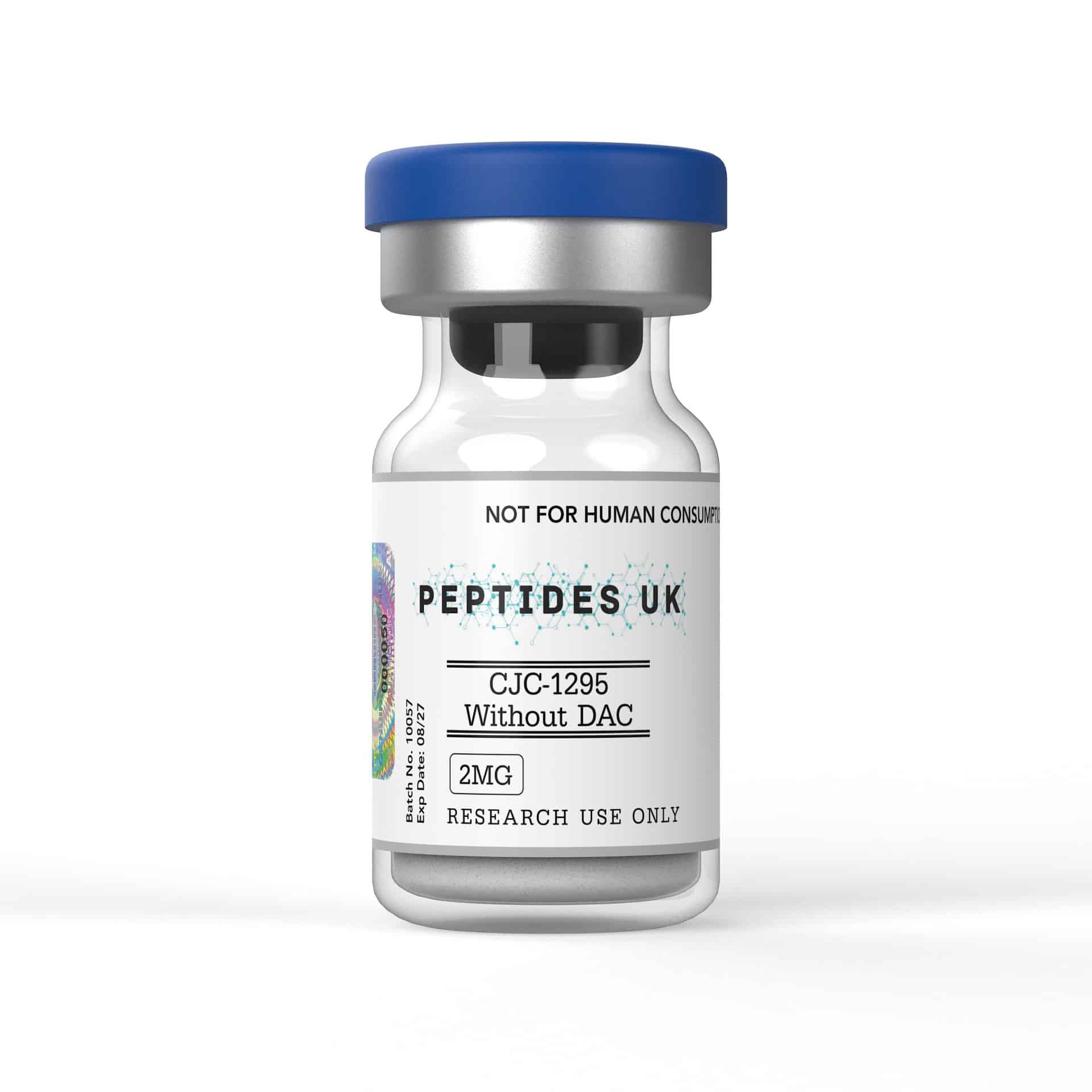
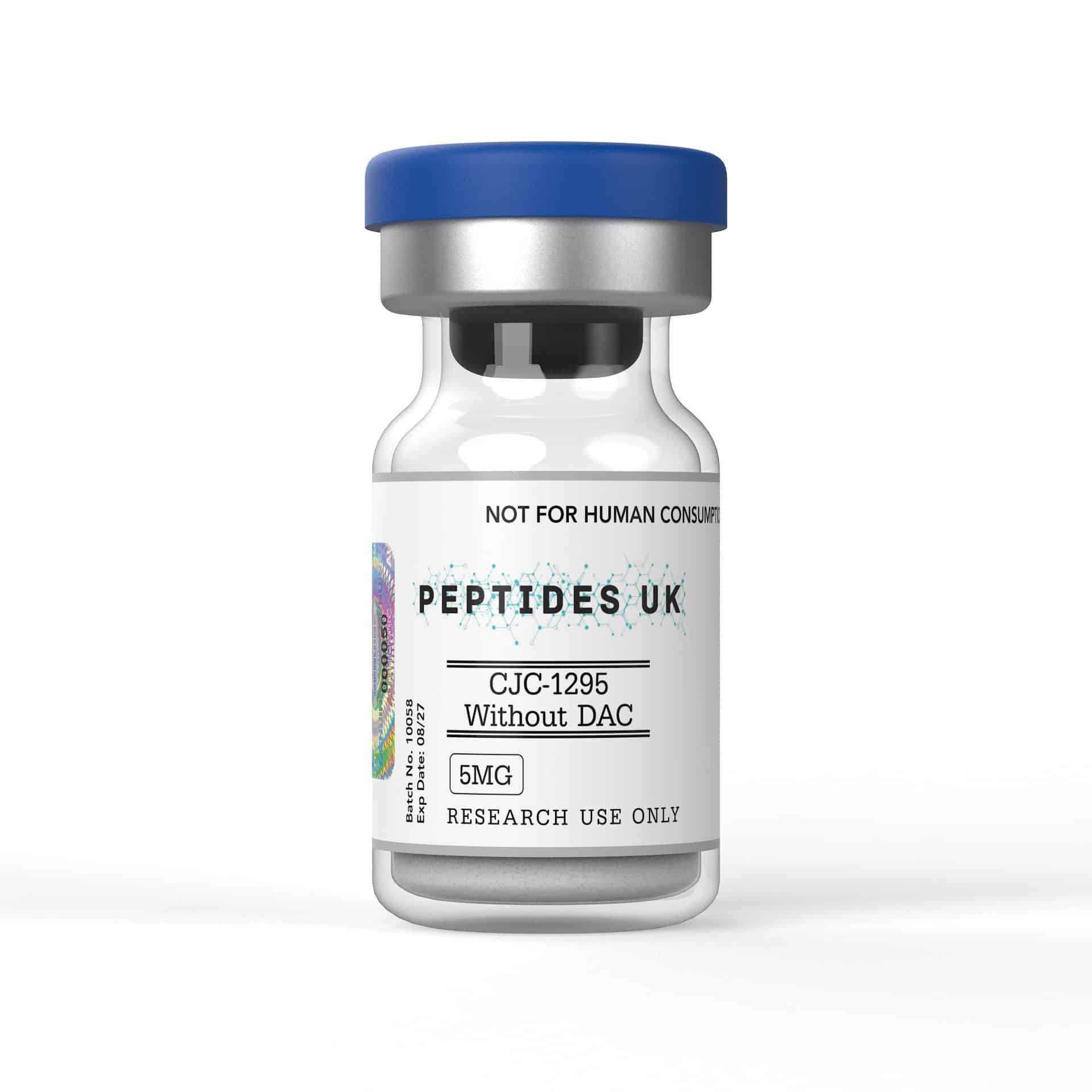
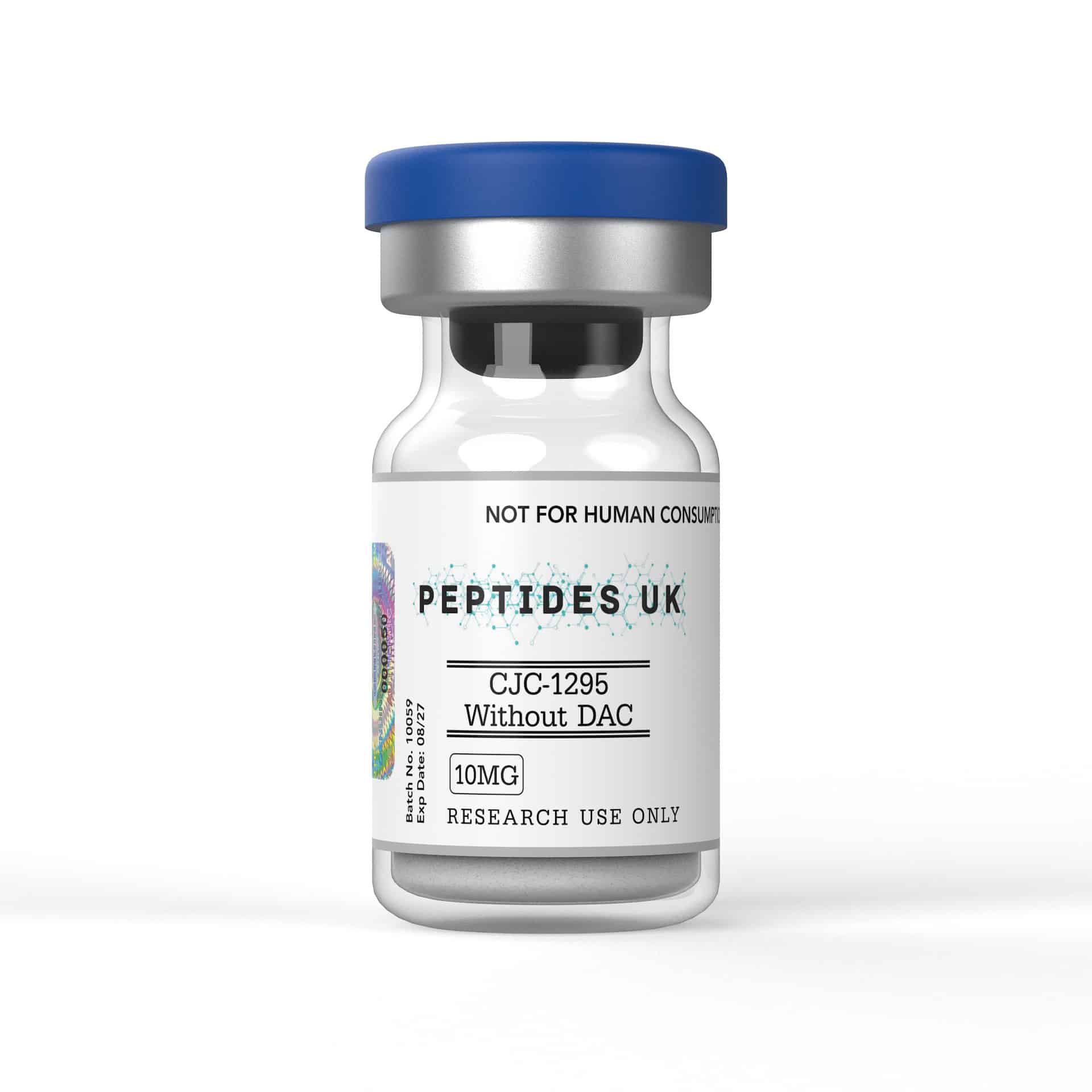
€104.00 – €155.50Price range: €104.00 through €155.50
CJC-1295 without DAC (Modified GRF 1-29) — short-acting GHRH receptor agonist with pulsatile pharmacokinetic profile. HPLC-verified ≥99% purity, per-batch COA. Fast Ireland delivery.
For laboratory research use only. Not for human or veterinary use.


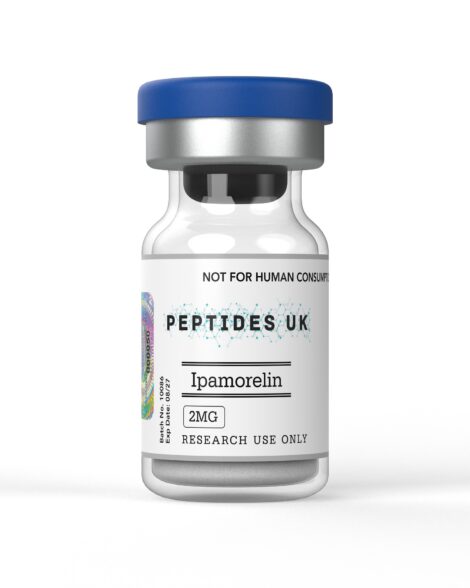
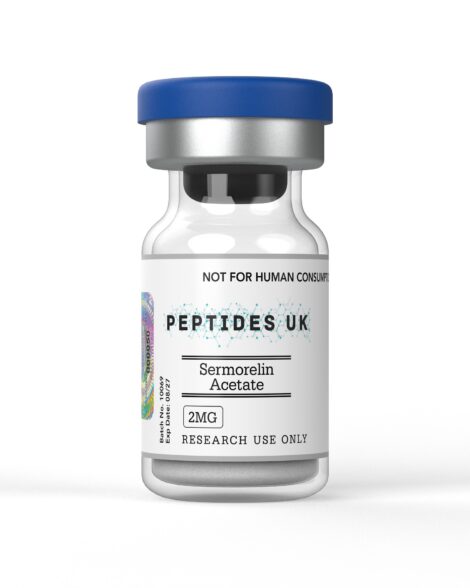
CJC-1295 Without DAC and also designated Modified GRF(1-29) or Mod GRF . Is a synthetically stabilised analogue of growth hormone releasing hormone and one of the most precisely engineered GHRH receptor research tools available to laboratories in Ireland . Incorporating four strategic amino acid substitutions into the biologically active GHRH(1-29) fragment that confer resistance to the primary enzymatic degradation pathways that make native GHRH impractical for extended pre-clinical research, producing a compound that retains full GHRH receptor binding affinity and pulsatile GH-releasing activity while providing the metabolic stability needed for consistent, reproducible pituitary somatotroph research in protocols where native GHRH’s minute-long half-life makes it unsuitable, Researchers and institutions across Ireland can source verified, research-grade CJC-1295 Without DAC directly from our Irish peptide supply, with domestic-speed dispatch and complete batch documentation.
✅ ≥99% Purity , HPLC & Mass Spectrometry Verified
✅ Batch-Specific Certificate of Analysis (CoA) Included
✅ Sterile Lyophilised Powder | GMP Manufactured
✅ Fast Dispatch to Ireland | Peptides Ireland Stock
CJC-1295 Without DAC is a synthetic 29 amino acid peptide analogue of growth hormone releasing hormone and specifically a stabilised version of GHRH(1-29), the biologically active N-terminal fragment of the full 44 amino acid native GHRH molecule that retains complete GHRH receptor binding activity. Native GHRH has a circulating half-life of only a few minutes . Mainly, because dipeptidyl peptidase IV (DPP-IV), a ubiquitous serine protease present in plasma and on vascular endothelial surfaces, rapidly cleaves the His-Ala bond at positions one and two of the GHRH N-terminus, inactivating the peptide within minutes of entering circulation. Additional degradation by other serum proteases and including endopeptidases targeting internal cleavage sites within the GHRH sequence , further limits native GHRH’s research utility to acute experimental paradigms where its rapid inactivation prevents sustained pituitary receptor engagement.
CJC-1295 Without DAC addresses these stability vulnerabilities through four targeted amino acid substitutions that were identified through systematic structure-activity relationship research examining which positions in the GHRH(1-29) sequence were most vulnerable to enzymatic inactivation and most tolerant of modification without loss of GHRH receptor affinity. The substitution at position two replaces the DPP-IV-vulnerable alanine with D-alanine . A stereoisomeric substitution that sterically blocks DPP-IV cleavage at the His-D-Ala bond while preserving N-terminal GHRH receptor contact geometry. The substitution at position eight replaces asparagine with alanine to prevent asparagine deamidation and a non-enzymatic chemical degradation reaction that progressively inactivates asparagine-containing peptides through conversion to aspartate. The substitution at position fifteen replaces aspartate with glutamate to improve resistance to aspartate-mediated peptide bond hydrolysis. The substitution at position twenty-seven replaces methionine with leucine to prevent oxidative methionine sulphoxidation . A degradation pathway that reduces peptide biological activity through modification of the methionine side chain.
The combined pharmacokinetic consequence of these four substitutions is a GHRH(1-29) analogue with a half-life of around 30 minutes and representing a ten-fold or greater extension compared to native GHRH’s minutes-long circulating life , while maintaining full GHRH receptor binding affinity confirmed by receptor binding assays and full pituitary GH-releasing activity confirmed by GH secretion studies. This 30-minute half-life produces defined, practical pulsatile GHRH receptor stimulation events that are compatible with the pulsatile, episodic pattern of endogenous GH secretion and making CJC-1295 Without DAC a research tool that captures the physiological biology of GHRH receptor stimulation in a form that can be systematically studied in pre-clinical protocols.
The designation “Without DAC” specifically distinguishes this compound from CJC-1295 With DAC . Which incorporates an additional maleimidoproprionic acid Drug Affinity Complex that enables covalent albumin binding and extends half-life to about 6–8 days, producing tonic rather than pulsatile GH axis stimulation. CJC-1295 Without DAC is the appropriate research tool when pulsatile GHRH receptor biology, acute GH axis pharmacology, and combination research with GHS compounds in pulse-based paradigms are the experimental objectives . While the DAC version addresses the distinct research question of sustained, chronic GH axis activation. Understanding this distinction is fundamental to selecting the appropriate GHRH research tool for a given experimental design.
In controlled laboratory and pre-clinical settings, CJC-1295 Without DAC is studied across a range of GH axis pharmacology, pituitary somatotroph biology, GHRH receptor research, and downstream growth factor signalling applications:
GHRH Receptor Pharmacology Research — CJC-1295 Without DAC’s full GHRH receptor binding affinity combined with its extended metabolic stability makes it a more practical pharmacological tool than native GHRH for characterising GHRH receptor biology . With studies examining GHRH receptor binding kinetics, downstream cAMP/PKA intracellular signalling cascade activation, receptor internalisation and trafficking following agonist engagement, and the molecular mechanisms linking GHRH receptor activation to somatotroph GH secretory vesicle exocytosis. The compound’s 30-minute half-life allows receptor engagement studies in biological systems without the immediate degradation that limits native GHRH to in vitro receptor binding experiments only.
Pulsatile GH Axis Stimulation Research and CJC-1295 Without DAC produces defined, pulsatile GHRH receptor stimulation events with a practical research timeframe — enabling experimental designs that model the episodic, pulse-based pattern of endogenous GHRH-driven GH secretion. Research has used CJC-1295 Without DAC to examine GH pulse amplitude and frequency biology, somatotroph secretory capacity under pulsatile stimulation conditions, and how pulse characteristics influence downstream GH receptor signalling and IGF-1 production dynamics and research questions that can’t be addressed with native GHRH’s impractical half-life or with long-acting GHRH analogues that produce tonic rather than pulsatile stimulation.
DPP-IV Resistance and Peptide Stability Research , The four amino acid substitutions in CJC-1295 Without DAC represent a validated platform for studying how targeted structural modifications can confer enzymatic resistance to biologically active peptides , with research examining the specific contribution of each substitution to the overall stability improvement, the mechanism of DPP-IV cleavage resistance conferred by the D-alanine position-two substitution, and how each modification affects receptor binding and biological activity independently and in combination. These stability research findings have broader implications for peptide medicinal chemistry and the rational design of metabolically stable research tools from labile endogenous peptide sequences.
GH Axis Synergy Research , Combination with GHS-R1a Agonists , One of the most important research applications of CJC-1295 Without DAC is as the GHRH component in dual-pathway GH axis combination research and paired with GHS-R1a agonists such as Ipamorelin, GHRP-2, or GHRP-6 to exploit the well-documented synergistic interaction between GHRH receptor and GHS-R1a co-activation in driving GH release. Research using CJC-1295 Without DAC as the GHRH component in these combination paradigms has characterised the mechanistic basis of GHRH/GHS synergy, optimal dosing ratios and timing between components, and how the amplitude of synergistic GH release depends on the relative potency and selectivity of the GHS component paired with GHRH receptor stimulation.
Somatotroph Cell Biology Research , CJC-1295 Without DAC has been used in somatotroph cell biology studies and examining how GHRH receptor activation influences somatotroph cell physiology including GH gene transcription, GH secretory granule biogenesis, somatotroph proliferation and survival, and the regulation of GH secretory capacity through chronic GHRH receptor stimulation. The compound’s stability advantage over native GHRH makes it practical for cell biology experiments where peptide degradation in culture media would limit native GHRH activity.
Somatostatin Interaction and GH Axis Regulatory Biology , Research has used CJC-1295 Without DAC to study how GHRH receptor stimulation interacts with somatostatin inhibitory tone . Examining the competitive dynamics between hypothalamic stimulatory and inhibitory GH-regulating signals, the timing dependence of GHRH-driven GH release relative to somatostatin pulse cycles, and how the balance between GHRH receptor activation and somatostatin receptor signalling determines GH pulse amplitude and secretory pattern. These regulatory biology studies have contributed important insights into GH axis homeostasis that native GHRH’s rapid degradation makes difficult to study in systematic experimental designs.
IGF-1 Axis and Downstream GH Biology Research — Studies have characterised the downstream IGF-1 axis consequences of CJC-1295 Without DAC-driven GH release and examining how pulsatile GH elevation produced by GHRH receptor stimulation translates to hepatic IGF-1 production, circulating IGF-1 levels, and tissue-level IGF-1 receptor signalling in pre-clinical models. These downstream biology studies have provided important pre-clinical context for understanding the quantitative relationship between GHRH-driven GH pulse characteristics and IGF-1 axis activation.
Comparative GHRH Analogue Pharmacology Research , CJC-1295 Without DAC is used as a reference compound in comparative research examining the pharmacological properties of different GHRH analogues . Including Sermorelin, Tesamorelin, and CJC-1295 With DAC and characterising how structural differences between GHRH analogues determine their distinct half-lives, receptor binding profiles, and GH-releasing potencies. Its well-characterised pharmacokinetic and pharmacodynamic profile makes it a useful anchor compound in comparative GHRH pharmacology research.
GH Deficiency and GH Axis Restoration Research and CJC-1295 Without DAC has been studied in pre-clinical models of GH deficiency , examining whether GHRH receptor stimulation can restore physiological GH pulsatility and downstream IGF-1 axis function in models of hypothalamic or pituitary dysfunction. These GH axis restoration studies contribute to understanding of how GHRH receptor pharmacology can be used to probe and potentially restore GH secretory capacity in contexts of GH axis impairment.
CJC-1295 Without DAC has accumulated a well-characterised research literature spanning GHRH pharmacokinetics, pituitary GH axis biology, combination secretagogue pharmacology, and structure-activity relationship research into GHRH analogue stability.
DPP-IV Resistance and Half-Life Extension Confirmed and Research has confirmed the pharmacokinetic advantage of CJC-1295 Without DAC’s amino acid substitutions , with studies documenting its resistance to DPP-IV cleavage through direct enzymatic assays and characterising its extended half-life compared to native GHRH(1-29) in pre-clinical biological systems. The specific contribution of the D-alanine position-two substitution to DPP-IV resistance has been characterised through comparative stability studies , establishing this modification as the primary determinant of the compound’s dramatically improved metabolic stability and validating the rational design approach used to engineer proteolytic resistance into the GHRH scaffold.
Full GHRH Receptor Binding and GH-Releasing Activity Preserved . Studies have confirmed that CJC-1295 Without DAC’s four amino acid substitutions don’t compromise GHRH receptor binding affinity , with receptor binding assays documenting equivalent or near-equivalent affinity to native GHRH(1-29) and GH secretion studies confirming full pituitary GH-releasing activity in pre-clinical models. This preservation of full receptor pharmacology alongside dramatically improved metabolic stability validates the structure-activity relationship approach used to engineer CJC-1295 Without DAC . Establishing it as a research tool that genuinely improves on native GHRH’s practical limitations without sacrificing the biological activity essential for GHRH receptor research.
Pulsatile GH Release Profile Characterised . Research has characterised the GH release profile produced by CJC-1295 Without DAC in pre-clinical models and documenting a defined, pulsatile GH secretion response consistent with the compound’s 30-minute half-life and confirming that it produces episodic GH release rather than the sustained elevation associated with long-acting GHRH analogues. These pharmacodynamic characterisation studies have established CJC-1295 Without DAC as the appropriate GHRH research tool for pulsatile GH biology research and distinct from the chronic, tonic GH axis stimulation paradigm addressed by CJC-1295 With DAC.
GHRH/GHS Dual-Pathway Synergy Documented Using CJC-1295 Without DAC , Studies have used CJC-1295 Without DAC as the GHRH component in dual-pathway combination research , documenting the synergistic GH release produced by co-administration with GHS-R1a agonists and characterising how GHRH receptor priming amplifies GHS-R1a-driven GH secretion. These combination studies have established CJC-1295 Without DAC as a standard GHRH component in GH axis combination pharmacology research . Providing a practical, stable GHRH receptor agonist for studying the mechanistic basis of GHRH/GHS synergy in systematic pre-clinical experimental designs.
Stability Comparison with CJC-1295 With DAC Characterised , Direct pharmacokinetic comparison research has quantified the half-life difference between CJC-1295 Without DAC and CJC-1295 With DAC , establishing the around 30-minute versus 6–8-day half-life distinction and characterising the corresponding differences in GH release profiles produced by the two compounds. These pharmacokinetic comparison studies have provided important context for researchers selecting between the two CJC-1295 variants . Establishing that the choice between them is a question of whether pulsatile or tonic GH axis stimulation is the appropriate research paradigm for the experimental question being addressed.
Downstream IGF-1 Axis Responses Characterised Research has documented the downstream IGF-1 axis responses to CJC-1295 Without DAC-driven pulsatile GH release . Characterising the amplitude and duration of hepatic IGF-1 production responses to pulsatile GH elevation and establishing the quantitative relationship between GHRH-driven GH pulse characteristics and downstream IGF-1 axis activation. These IGF-1 characterisation studies have contributed to understanding of how the pattern of GH axis stimulation . Pulsatile versus tonic . Influences IGF-1 production dynamics and downstream growth factor biology.
| Feature | CJC-1295 Without DAC | CJC-1295 With DAC | Native GHRH(1-44) | Sermorelin | Tesamorelin |
|---|---|---|---|---|---|
| Type | Stabilised GHRH(1-29) analogue | Albumin-binding GHRH analogue | Endogenous neuropeptide | GHRH(1-29) analogue | Trans-3-hexadienoic acid-GHRH |
| Amino Acid Substitutions | 4 and stability focused | 4 + DAC linker | None — native sequence | None , native GHRH(1-29) | Modified N-terminus |
| DPP-IV Resistance | Yes and D-Ala position 2 | Yes same backbone | None , rapid cleavage | None . Rapid cleavage | Partial |
| Half-Life | ~30 minutes | ~6–8 days | ~minutes | ~minutes | ~26 minutes |
| GH Release Profile | Pulsatile . Defined pulse | Sustained , days-long | Pulsatile . Very brief | Pulsatile . Very brief | Pulsatile . Similar to Mod GRF |
| Albumin Binding | No | Yes . Covalent via DAC | No | No | No |
| IGF-1 Effect | Transient elevation via GH pulse | Sustained prolonged elevation | Brief transient | Brief transient | Moderate via repeated dosing |
| Best Research Use | Pulsatile GHRH biology, GHS combination | Chronic GH axis, tonic stimulation | Reference , acute studies only | Reference . Short-acting | Visceral fat, moderate stimulation |
| Research Profile | Well-documented | Well-documented | Extensively studied | Well-documented | Well-documented |
| Parameter | Detail |
|---|---|
| Name | CJC-1295 Without DAC (Modified GRF 1-29 / Mod GRF) |
| Type | Synthetically Stabilised GHRH(1-29) Analogue |
| Amino Acid Length | 29 amino acids |
| Key Modifications | D-Ala², Ala⁸, Glu¹⁵, Leu²⁷ , four stability substitutions |
| Molecular Weight | ~3367 Da |
| Receptor Target | GHRH receptor , pituitary somatotrophs |
| Pathway Activated | cAMP/PKA , adenylyl cyclase |
| Half-Life | ~30 minutes (vs minutes for native GHRH) |
| GH Release Profile | Pulsatile . Defined, practical stimulation window |
| Key Advantage | DPP-IV resistant GHRH with full receptor activity |
| Distinction from DAC Version | No albumin binding , pulsatile not tonic GH stimulation |
| Purity | ≥99% HPLC & MS Verified |
| Form | Sterile Lyophilised Powder |
| Solubility | Sterile water or suitable laboratory buffer |
| Storage (Powder) | -20°C, protect from light |
| Storage (Reconstituted) | 2–8°C . Use within 7 days or aliquot at -80°C |
| Manufacturing | GMP Manufactured |
| Intended Use | Research use only |
CJC-1295 Without DAC reconstitutes readily in sterile water or appropriate laboratory buffer. Allow the vial to reach room temperature before opening. Add diluent slowly down the inside wall of the vial and swirl gently . Don’t inject directly onto the lyophilised powder and don’t vortex or shake vigorously. Prepare a concentrated stock solution at your required research concentration and dilute to working concentration in PBS or appropriate cell culture buffer as needed. Store reconstituted stock at 2–8°C for short-term use within 7 days, or aliquot into single-use volumes and store at -80°C for longer-term preservation. Avoid repeated freeze-thaw cycles and exposure to elevated temperatures to maintain peptide stability and full GHRH receptor binding activity across experimental sessions.
Every order of CJC-1295 Without DAC in Ireland includes:
✅ Batch-Specific Certificate of Analysis (CoA)
✅ HPLC Chromatogram
✅ Mass Spectrometry Confirmation
✅ Sterility & Endotoxin Testing Report
✅ Reconstitution Protocol
✅ Technical Research Support
Yes we supply research-grade CJC-1295 Without DAC to researchers and institutions across Ireland with fast dispatch and full batch documentation. This compound is supplied strictly for laboratory research purposes only.
Native GHRH and whether the full 44 amino acid form or the biologically active 29 amino acid N-terminal fragment GHRH(1-29) , has a circulating half-life of only a few minutes due to rapid DPP-IV cleavage at its N-terminal His-Ala bond and further degradation by serum proteases. This rapid inactivation makes native GHRH impractical for all but the most acute, short-duration pre-clinical research designs . Limiting its research utility to bolus injection studies where the brief window of activity is sufficient, and making it unsuitable for protocols requiring sustained GHRH receptor engagement. CJC-1295 Without DAC addresses this limitation directly through four amino acid substitutions that confer DPP-IV resistance and broader proteolytic stability , extending half-life to about 30 minutes while preserving full GHRH receptor binding affinity and GH-releasing activity. In research terms, CJC-1295 Without DAC is the practical research tool that enables systematic GHRH receptor biology research that native GHRH’s instability makes difficult or impossible to conduct reproducibly.
CJC-1295 Without DAC carries several designations in the research literature . Modified GRF(1-29), Mod GRF, and Mod GRF(1-29) . That reflect its structural relationship to the GRF (Growth hormone Releasing Factor, an alternative designation for GHRH) sequence. GRF(1-29) refers to the 29 amino acid N-terminal bioactive fragment of native GHRH . The same backbone that CJC-1295 Without DAC modifies and and the “Modified” prefix denotes the four amino acid substitutions that distinguish it from the native sequence. The CJC-1295 designation originated from the compound’s development history within the CJC compound series. In practice, Modified GRF(1-29), Mod GRF, and CJC-1295 Without DAC all refer to the same four-substitution stabilised GHRH(1-29) research compound and researchers should be aware that literature searches under any of these designations will retrieve relevant research on the same peptide.
The D-alanine substitution at position two is the most pharmacologically significant of CJC-1295 Without DAC’s four amino acid modifications and directly addressing the primary enzymatic vulnerability of native GHRH by replacing the L-alanine at position two with its stereoisomer D-alanine. DPP-IV cleaves peptides at the penultimate N-terminal position and specifically recognising and cleaving after the second residue when it’s a small neutral amino acid in the L-configuration. By substituting D-alanine and which has identical chemical composition but mirror-image three-dimensional geometry and at position two, CJC-1295 Without DAC creates a substrate that DPP-IV can no longer efficiently recognise and cleave, conferring primary resistance to the most important GHRH inactivation mechanism. Critically, this stereoisomeric substitution at position two does not disrupt GHRH receptor binding , the N-terminal region of GHRH tolerates this stereochemical modification without significant loss of receptor affinity , making D-alanine substitution the highest-value single modification in the CJC-1295 Without DAC stability engineering programme.
The difference between the two CJC-1295 variants isn’t one of potency or receptor pharmacology both share the same four-substitution GHRH(1-29) backbone with identical GHRH receptor binding properties , but of pharmacokinetic profile and the research questions each is suited to address. CJC-1295 Without DAC produces pulsatile, defined GH release events with a 30-minute stimulation window per administration — compatible with pulsatile GH secretion biology research, acute GHRH pharmacology, and combination paradigms with GHS compounds in pulse-based designs. CJC-1295 With DAC’s albumin-binding DAC modification produces tonic, days-long GHRH receptor stimulation from a single administration , suited to research examining the biological consequences of chronic GH axis activation, sustained IGF-1 elevation, and the comparison of pulsatile versus tonic GH stimulation biology. The two compounds aren’t interchangeable and selecting between them requires clarity on whether pulsatile or sustained GH axis biology is the appropriate research paradigm for the experimental question being addressed.
Endogenous GH secretion is inherently pulsatile . Characterised by discrete secretory bursts driven by episodic hypothalamic GHRH release, interspersed with periods of low GH determined by somatostatin tone , and this pulsatile pattern isn’t incidental but biologically meaningful. Research has established that the pulsatile versus tonic character of GH signalling influences GH receptor regulation differently , with pulsatile GH exposure associated with distinct patterns of GH receptor internalisation, STAT5 signalling dynamics, and downstream gene expression in liver and other GH-responsive tissues compared to sustained GH elevation. The sex-specific pulsatility of GH secretion and with more frequent, lower-amplitude pulses in females and less frequent, higher-amplitude pulses in males and is associated with sexually dimorphic patterns of hepatic gene expression governed by GH signal timing. CJC-1295 Without DAC’s pulsatile GH-releasing profile makes it the appropriate research tool for studying how GH pulse characteristics , amplitude, frequency, and duration . Influence the biology of GH-responsive tissues in pre-clinical models where these distinctions matter for experimental interpretation.
Yes . And combination with a GHS-R1a agonist is one of the most important and widely used research applications of CJC-1295 Without DAC. The co-administration of a GHRH receptor agonist with a GHS-R1a agonist exploits the well-characterised synergistic interaction between the cAMP/PKA pathway activated by GHRH receptor engagement and the calcium mobilisation pathway activated by GHS-R1a engagement and with dual co-activation producing synergistic GH release substantially greater than either pathway alone. CJC-1295 Without DAC is most frequently combined with Ipamorelin , producing the cleanest dual-pathway GH axis stimulation paradigm by pairing the most selective GHRH analogue with the most selective GHS-R1a agonist , but has also been studied in combination with GHRP-2 and GHRP-6. The Ipamorelin combination is preferred when mechanistic interpretability is the research priority, as both components’ high selectivity profiles allow observed biological effects to be attributed specifically to dual GHRH/GHS-R1a pathway co-activation and the consequences of GH axis stimulation.
≥99% purity is strongly recommended for GHRH receptor binding assays, GH secretion studies, combination synergy research, pituitary somatotroph cell biology experiments, and pre-clinical in vivo GH axis models , where compound purity directly determines the reliability and reproducibility of GHRH receptor engagement, GH release measurements, and downstream IGF-1 axis characterisation. All CJC-1295 Without DAC Ireland stock is independently verified to ≥99% purity by HPLC and mass spectrometry.
Allow the vial to reach room temperature before opening. Add sterile water or appropriate laboratory buffer slowly down the inside wall of the vial and swirl gently , don’t inject directly onto the lyophilised powder and don’t vortex or shake vigorously. Prepare a concentrated stock solution and dilute to working concentration in PBS or appropriate cell culture buffer as required by your research protocol. Store reconstituted stock at 2–8°C for short-term use within 7 days, or aliquot into single-use volumes and store at -80°C for longer-term preservation. Avoid repeated freeze-thaw cycles and exposure to elevated temperatures to preserve full GHRH receptor binding activity across experimental sessions.
CJC-1295 Without DAC is supplied exclusively for legitimate scientific research purposes conducted within licensed laboratory environments. This product isn’t intended for human consumption, self-administration, or any therapeutic application. It must be handled by qualified researchers in compliance with applicable Irish and EU regulations and institutional ethics guidelines. By purchasing, you confirm that this compound will be used solely for approved in vitro or pre-clinical research purposes.
CJC-1295 Without DAC isn’t authorised as a medicine by the HPRA. It’s legal to buy, hold and use as a research chemical for in-vitro laboratory work, and that’s the only use we supply it for. If you want the full regulatory picture, see our Irish researcher’s guide to peptide legality.
Every vial ships with an HPLC purity trace (typically ≥99%), mass-spec identity confirmation, and endotoxin/heavy-metal screening on the batch. The full per-batch Certificate of Analysis is available on request from research@peptideslabireland.com. Our quality system is ISO 9001 certified and third-party testing runs through a UKAS-accredited lab.
Standard protocol: let the CJC-1295 Without DAC vial and your bacteriostatic water come to room temperature, wipe both stoppers with a 70% isopropyl swab, then inject the water slowly down the side wall of the peptide vial. Don’t stream directly onto the powder cake. Swirl gently, don’t shake, and give it five to ten minutes to fully dissolve. Label the vial with compound, concentration and reconstitution date, store at 2–8°C between assays.
Same-day dispatch on orders placed before 2pm on a working day. Delivery is 24–48 hours to any Irish county via An Post Express or DPD. Cold chain is preserved with insulated wrap plus gel pack. No customs step, no border delays , because it never leaves Ireland.
In the Irish research space CJC-1295 Without DAC tends to appear in GLP-1 receptor signalling and glucose-homeostasis research. It’s often paired with Tirzepatide or Retatrutide in comparison studies when researchers are studying combined mechanisms rather than the compound alone.
Lyophilised CJC-1295 Without DAC is refrigerated post-reconstitution, working shelf life 14–28 days. Once reconstituted, keep it refrigerated at 2–8°C and use within the working shelf life described on the CoA. Freeze/thaw cycles degrade peptides, so aliquot the reconstituted solution if you plan to run assays over several weeks.

Receive News