PRODUCTS SOLD ON PEPTIDESLABIRELAND.COM ARE FOR RESEARCH PURPOSES ONLY AND ARE NOT FOR HUMAN OR VETERINARY USE.
Fast Ireland delivery — dispatched to Dublin, Cork, Galway, Limerick and nationwide.
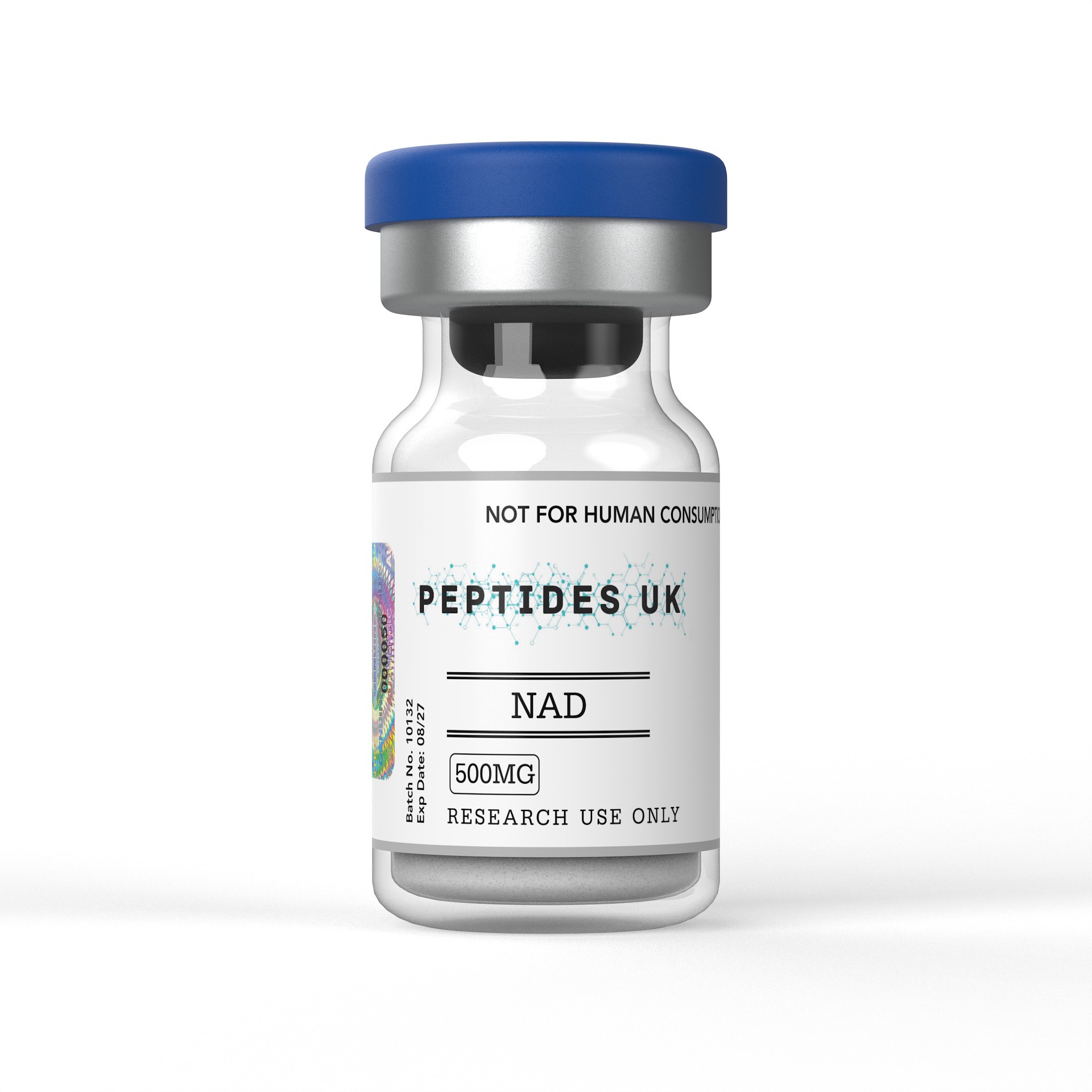
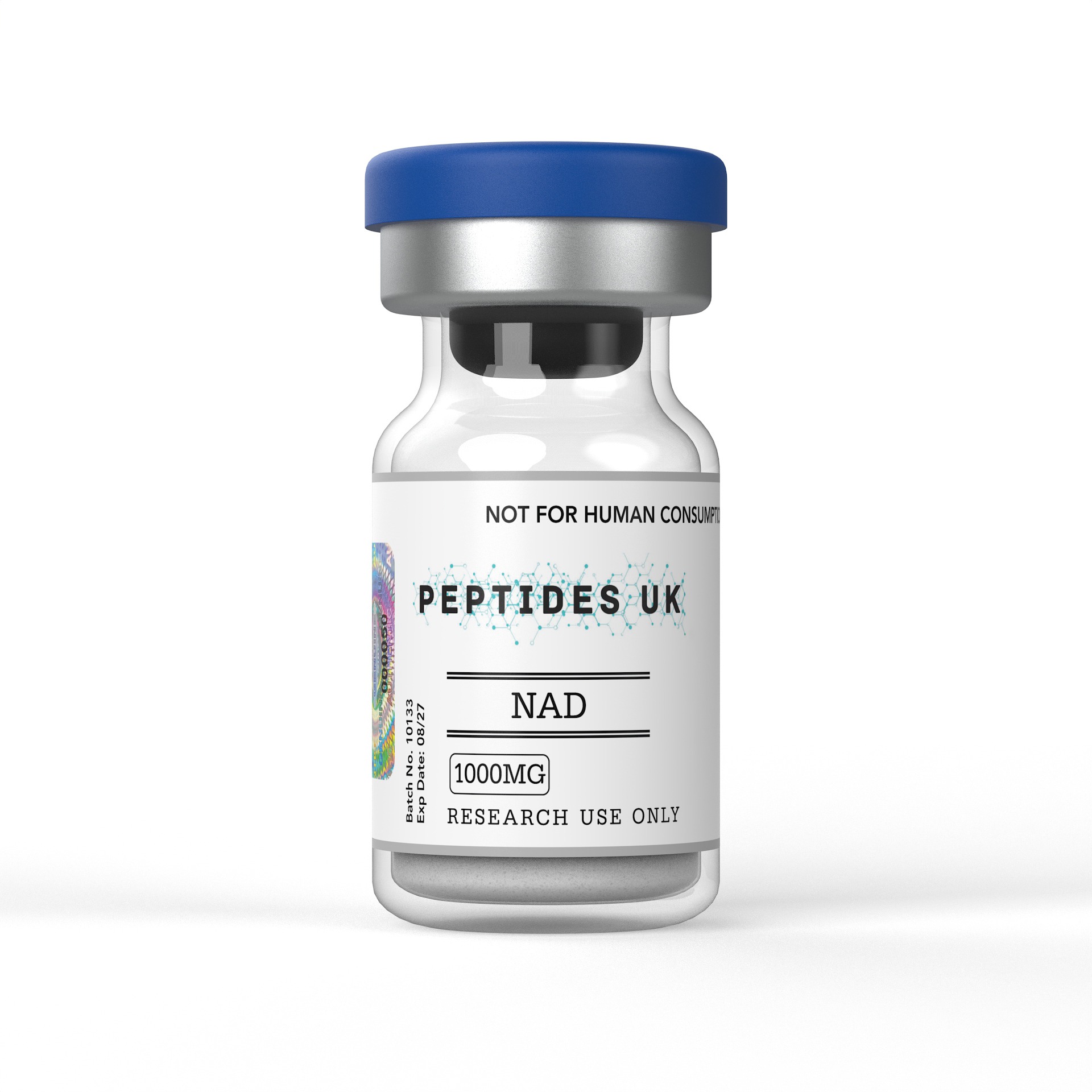
€112.00 – €159.00Price range: €112.00 through €159.00
NAD+ (Nicotinamide Adenine Dinucleotide) — coenzyme central to cellular redox biology, sirtuin activation and mitochondrial function research. High-purity per-batch COA. Fast Ireland delivery.
For laboratory research use only. Not for human or veterinary use.



NAD+ (Nicotinamide Adenine Dinucleotide) is a fundamental coenzyme and one of the most broadly significant metabolic and signalling molecules available to laboratories in Ireland and a dinucleotide present in every living cell that functions simultaneously as an essential hydride transfer coenzyme in cellular energy metabolism and as a consumed substrate for a growing family of NAD+-dependent signalling enzymes including sirtuins, PARPs, and CD38, making it a uniquely central research compound for studying cellular energy biology, mitochondrial function, DNA damage response, epigenetic regulation, ageing biology, and the emerging NAD+ decline hypothesis that positions age-related depletion of cellular NAD+ as a primary driver of metabolic dysfunction, reduced stress resilience, and multiple hallmarks of ageing across tissues, Researchers and institutions across Ireland can source verified, research-grade NAD+ directly from our Irish supply, with domestic-speed dispatch and complete batch documentation.
✅ ≥99% Purity , HPLC & Mass Spectrometry Verified
✅ Batch-Specific Certificate of Analysis (CoA) Included
✅ Lyophilised Powder | GMP Manufactured
✅ Fast Dispatch to Ireland | Peptides Ireland Stock
Nicotinamide Adenine Dinucleotide (NAD+) is a dinucleotide coenzyme and composed of two nucleotides joined by a pyrophosphate linkage, with one nucleotide containing an adenine base and the other containing a nicotinamide base and that exists in cells in two interconvertible redox forms: the oxidised form NAD+ and the reduced form NADH. As a redox coenzyme, NAD+/NADH serves as the principal electron carrier in cellular energy metabolism and accepting hydride equivalents from metabolic substrates in glycolysis, the tricarboxylic acid cycle, and fatty acid beta-oxidation to become NADH, then donating those electrons to the mitochondrial electron transport chain where their oxidation drives ATP synthesis through oxidative phosphorylation. This redox cycling between NAD+ and NADH is so fundamental to energy metabolism that virtually every living organism depends on it , making NAD+ one of the most evolutionarily ancient and universally conserved molecules in biology.
What has transformed NAD+ from a well-understood metabolic coenzyme into one of the most actively researched molecules in ageing and cellular biology over the past two decades is the discovery that NAD+ serves not only as a redox carrier but as a consumed substrate , stoichiometrically depleted , by a family of NAD+-dependent signalling enzymes that use the NAD+ molecule itself as a reactant rather than simply cycling it. The three principal classes of NAD+-consuming enzymes are sirtuins (SIRTs 1–7), poly-ADP-ribose polymerases (PARPs 1–17), and CD38/CD157 ectoenzymes and each consuming NAD+ to drive distinct and critically important biological functions. Sirtuins are NAD+-dependent deacylases that remove acetyl and other acyl modifications from histone and non-histone proteins, regulating gene expression, metabolic enzyme activity, and stress response pathways in ways that are entirely dependent on NAD+ availability. PARPs consume NAD+ to synthesise poly-ADP-ribose chains on target proteins in response to DNA strand breaks and a DNA damage response mechanism that’s critically dependent on cellular NAD+ sufficiency. CD38 consumes NAD+ to produce cyclic ADP-ribose and ADPR as calcium mobilisation second messengers . And is upregulated during inflammation, representing a major route of NAD+ consumption that increases dramatically with ageing-associated inflammatory signalling.
The NAD+ decline hypothesis , which has become one of the most important conceptual frameworks in ageing biology research and proposes that the progressive, age-associated decline in cellular NAD+ levels documented across multiple tissues and model organisms isn’t merely a consequence of ageing but a causal driver of multiple ageing hallmarks. The mechanistic basis proposed for this causal role is the NAD+-dependence of sirtuin and PARP function , where declining NAD+ impairs sirtuin-mediated metabolic regulation and stress response, reduces PARP-mediated DNA damage repair capacity, and contributes to the progressive genomic instability, metabolic dysfunction, and loss of proteostasis that characterise aged cells and tissues. Research examining whether NAD+ repletion can reverse age-related functional decline by restoring sirtuin and PARP activity has been one of the most active areas of ageing biology investigation over the past decade , making NAD+ and its biosynthetic precursors among the most intensively studied compounds in the ageing research field.
NAD+ is synthesised in cells through multiple biosynthetic pathways and the de novo synthesis pathway from tryptophan through the kynurenine pathway, the Preiss-Handler pathway from nicotinic acid, and most importantly the salvage pathway from nicotinamide and nicotinamide riboside through NAMPT-catalysed phosphoribosylation , providing multiple metabolic entry points for studying NAD+ biology and multiple targets for research into how NAD+ levels are regulated and can be manipulated in cellular and pre-clinical research models.
In controlled laboratory and pre-clinical settings, NAD+ is studied across a vast range of cellular metabolism, mitochondrial biology, ageing research, DNA damage response, and signalling pathway applications:
Cellular Energy Metabolism and Redox Biology Research . NAD+/NADH redox cycling is the central electron transfer mechanism of cellular energy metabolism . With research examining NAD+/NADH ratios as indicators of metabolic state, how NAD+ availability influences glycolytic flux and mitochondrial oxidative phosphorylation, and how perturbations in NAD+ metabolism affect cellular energy homeostasis. Studies examining NAD+ in metabolic research contexts have characterised how NAD+ availability regulates the balance between glycolytic and oxidative metabolism , contributing to fundamental understanding of cellular bioenergetics.
Sirtuin Biology and Epigenetic Regulation Research , The seven mammalian sirtuin deacylases , SIRT1 through SIRT7 , are entirely dependent on NAD+ for their enzymatic activity, making NAD+ availability the metabolic input that determines sirtuin function across all of their diverse biological roles. Research has used NAD+ modulation to study sirtuin-dependent epigenetic regulation through histone deacetylation, SIRT1-mediated metabolic gene regulation through PGC-1alpha deacetylation, SIRT3-mediated mitochondrial protein acetylation and respiratory chain function, and the broader landscape of sirtuin-dependent cellular processes whose activity is gated by NAD+ sufficiency. These sirtuin biology studies have established NAD+/sirtuin signalling as one of the most important metabolic-epigenetic axes in cellular biology research.
PARP Biology and DNA Damage Response Research . PARP1 and PARP2 consume NAD+ to synthesise poly-ADP-ribose modifications on target proteins at DNA damage sites . A chromatin relaxation and DNA repair recruitment mechanism that’s critically dependent on NAD+ availability. Research has used NAD+ in PARP biology studies examining DNA single and double strand break repair kinetics, NAD+ depletion as a consequence of excessive PARP activation in genotoxic stress conditions, and the competition for cellular NAD+ between PARP-mediated DNA repair and sirtuin-mediated metabolic regulation under conditions of DNA damage. These PARP/NAD+ interaction studies have contributed to fundamental understanding of how cellular NAD+ status influences DNA damage response capacity.
Mitochondrial Biology and Function Research , NAD+ is essential for mitochondrial function at multiple levels . As the electron acceptor for TCA cycle dehydrogenases that fuel NADH-driven ATP synthesis, and as the substrate for mitochondrial sirtuins (SIRT3, SIRT4, SIRT5) that regulate mitochondrial protein function and metabolic enzyme activity through deacylation. Research has examined how mitochondrial NAD+ pools are maintained and regulated, how NAD+ availability influences mitochondrial membrane potential, reactive oxygen species production, and oxidative phosphorylation efficiency and contributing to understanding of the relationship between NAD+ metabolism and mitochondrial health.
Ageing Biology and NAD+ Decline Research and The age-associated decline in cellular NAD+ levels has been one of the most active areas of NAD+ research and with studies documenting progressive NAD+ depletion in multiple tissues and model organisms with ageing, characterising the mechanisms driving this decline including increased CD38 expression with inflammaging, reduced NAMPT activity, and increased genotoxic stress-driven PARP activation. Pre-clinical studies examining whether NAD+ repletion in aged models can restore sirtuin and PARP activity and attenuate age-related functional decline have provided important evidence for the causal contribution of NAD+ decline to ageing biology and establishing NAD+ as a central research compound in the ageing field.
CD38 Biology and NAD+ Consumption Research , CD38 is the primary NADase responsible for age-associated NAD+ decline , with research documenting dramatic age-related increases in CD38 expression driven by inflammaging-associated NF-kB signalling that accelerate NAD+ consumption and contribute to progressive tissue NAD+ depletion. Studies have used NAD+ modulation alongside CD38 inhibitors to characterise how CD38-driven NAD+ consumption influences cellular NAD+ homeostasis, sirtuin activity, and metabolic function , contributing to mechanistic understanding of how inflammation drives NAD+ decline through CD38 upregulation.
Calcium Signalling Research . CD38-mediated NAD+ consumption produces cyclic ADP-ribose (cADPR) and ADPR as calcium mobilisation second messengers . Making NAD+ a substrate for calcium signalling pathways in immune cells, smooth muscle, and other cADPR-responsive tissues. Research has examined how NAD+ availability influences CD38-dependent calcium signalling biology and how this calcium signalling role of NAD+ metabolism contributes to immune cell function, smooth muscle contractility, and other cADPR-regulated biological processes.
NAD+ Biosynthesis Pathway Research and The three major NAD+ biosynthesis pathways . De novo synthesis from tryptophan, Preiss-Handler pathway from nicotinic acid, and salvage pathway from nicotinamide and NR through NAMPT and have been studied using exogenous NAD+ and NAD+ precursor compounds to characterise how biosynthetic flux determines cellular NAD+ levels in different tissue contexts. Research has examined NAMPT as the rate-limiting enzyme of the salvage pathway, how NAMPT activity is regulated by nutritional and inflammatory signals, and how different NAD+ precursors contribute to cellular and tissue NAD+ repletion in pre-clinical research models.
Metabolic Disease Pre-Clinical Research . NAD+ has been studied extensively in pre-clinical metabolic disease models , with research examining how NAD+ depletion contributes to metabolic dysfunction in obesity, type 2 diabetes, and non-alcoholic fatty liver disease models, and how NAD+ repletion influences metabolic parameters including insulin sensitivity, lipid metabolism, and mitochondrial function in metabolic disease pre-clinical contexts. These metabolic biology studies have contributed to understanding of how NAD+ status and sirtuin activity intersect with the biology of metabolic dysfunction.
Neurodegeneration and Neuroprotection Research — NAD+ and its role in SIRT1, SIRT3, and PARP-mediated neuroprotection has made it a research compound of growing interest in neurodegeneration biology . With studies examining how NAD+ depletion contributes to neuronal vulnerability in models of neurodegeneration and how NAD+ repletion influences neuronal survival, mitochondrial function, and DNA damage repair capacity in CNS research contexts. The WLDS (Wallerian degeneration slow) mouse model characterised by dramatically delayed axonal degeneration attributable to elevated NMNAT2 expression and increased axonal NAD+ levels . Has provided compelling pre-clinical evidence for the neuroprotective role of NAD+ in axonal biology.
Immunology and Inflammatory Biology Research and NAD+ metabolism is deeply integrated with immune cell biology , with research examining how NAD+ availability influences macrophage polarisation, T cell function, and inflammatory cytokine production through sirtuin-dependent epigenetic regulation of immune gene expression. Studies have characterised how the NAD+/SIRT1 axis regulates NF-kB-driven inflammatory signalling, and how age-related NAD+ decline contributes to inflammaging through impaired sirtuin-mediated inflammatory gene suppression , contributing to understanding of the metabolic-inflammatory interface in immune biology.
NAD+ has accumulated one of the most extensive and rapidly growing research literatures in cellular and molecular biology . Spanning fundamental metabolic biochemistry established over decades to modern ageing, senescence, and metabolic disease research published within the last several years.
Age-Associated NAD+ Decline Documented Across Multiple Tissues and Species . Research has documented the progressive, age-associated decline in cellular NAD+ levels across multiple tissues . Including skeletal muscle, liver, brain, adipose tissue, and blood , in multiple model organisms including mice, rats, and in human tissue samples. Studies have characterised the magnitude of NAD+ decline with ageing , with some tissues showing 50% or greater reductions in NAD+ levels in aged versus young animals , and have documented the parallel decline in sirtuin activity and mitochondrial function consistent with NAD+-dependent sirtuin impairment. This well-documented age-associated NAD+ depletion has been foundational for motivating research into NAD+ repletion as a strategy for studying ageing biology.
SIRT1/NAD+ Axis in Metabolic Regulation Extensively Characterised and Research has established the SIRT1/NAD+ axis as a central regulator of metabolic gene expression and mitochondrial biogenesis . With studies characterising how SIRT1-mediated deacetylation of PGC-1alpha drives mitochondrial biogenesis and oxidative metabolism gene programmes in response to elevated NAD+ levels during energy deprivation or caloric restriction. These SIRT1/NAD+ metabolic regulation studies have connected NAD+ biology to the mechanisms underlying caloric restriction-associated metabolic benefits , establishing the NAD+/sirtuin axis as a potential mechanistic mediator of metabolic resilience with implications extending from fundamental cell biology to ageing research.
NAD+ Repletion Reverses Age-Related Decline in Pre-Clinical Models , Pre-clinical studies examining NAD+ repletion , through both direct NAD+ administration and biosynthetic precursor supplementation , in aged animal models have documented restoration of cellular NAD+ levels and associated improvements in sirtuin activity, mitochondrial function, muscle function, and metabolic parameters. Studies in aged mice have documented NAD+ repletion-associated improvements in muscle stem cell function, mitochondrial biogenesis, and physical performance parameters . Providing pre-clinical evidence for the functional consequences of restoring NAD+ levels in aged tissues and contributing to the evidence base for the causal role of NAD+ decline in ageing biology.
PARP/NAD+ Interaction in DNA Damage Response Established . Research has established the quantitative relationship between PARP activation and NAD+ consumption , documenting that excessive genotoxic stress-driven PARP hyperactivation can deplete cellular NAD+ to levels that impair energy metabolism and contribute to cell death through a process termed parthanatos. Studies examining the competition between PARP-mediated DNA repair NAD+ consumption and sirtuin activity under genotoxic stress conditions have contributed to understanding of how DNA damage loads influence cellular NAD+ homeostasis and the consequences of NAD+ depletion for cell fate decisions.
CD38 as Primary Driver of Age-Associated NAD+ Decline Established . Research has characterised CD38 as the principal NADase responsible for age-associated NAD+ depletion . With studies documenting dramatic age-related increases in CD38 expression in multiple tissues driven by inflammaging-associated NF-kB signalling, and demonstrating that CD38 knockout mice maintain elevated NAD+ levels with ageing consistent with protection from CD38-driven NAD+ consumption. These CD38/NAD+ decline studies have established the inflammation-CD38-NAD+ depletion axis as a mechanistic link between inflammaging and the NAD+ decline that impairs sirtuin and PARP function in aged tissues , providing important context for research into strategies to maintain NAD+ levels against age-related CD38 upregulation.
Mitochondrial NAD+ Pool Biology Characterised . Research has examined the maintenance and regulation of the distinct mitochondrial NAD+ pool . Which is largely separate from the cytoplasmic pool and is maintained by specific mitochondrial NAD+ transporters , and has characterised how mitochondrial NAD+ availability influences TCA cycle flux, mitochondrial sirtuin activity, and mitochondrial protein acetylation state. Studies examining how mitochondrial and cytoplasmic NAD+ pools respond differently to cellular stresses and NAD+ repletion interventions have contributed to understanding of NAD+ compartmentalisation in cellular metabolism.
NAD+ and Neuronal Axon Degeneration Biology — The WLDS mouse model , carrying a spontaneous mutation that elevates axonal NMNAT2 expression and axonal NAD+ levels , has been extensively studied as evidence for NAD+’s neuroprotective role in axonal biology. Research characterising the mechanisms through which elevated axonal NAD+ delays Wallerian degeneration has established NMNAT-dependent NAD+ synthesis as a critical determinant of axonal survival following injury, Contributing to fundamental understanding of the metabolic basis of axonal degeneration and neuroprotection that has broad implications for neurodegenerative disease research.
| Feature | NAD+ | NMN | NR (Nicotinamide Riboside) | NADH | NAMPT Inhibitors |
|---|---|---|---|---|---|
| Type | Dinucleotide coenzyme and direct | NAD+ biosynthetic precursor | NAD+ biosynthetic precursor | Reduced NAD+ form | Enzyme inhibitors . NAD+ depletion |
| Relationship to NAD+ | Direct form . Immediate availability | Converted to NAD+ via NMNAT enzymes | Converted to NMN then NAD+ | Reduced redox partner , converts to NAD+ | Reduce NAD+ by blocking salvage synthesis |
| Cell Membrane Permeability | Limited , requires transporters or extracellular hydrolysis | Moderate , NMN transporter (Slc12a8) | Good , NR-specific transporters | Limited | N/A , small molecules |
| Sirtuin Activation | Direct substrate , immediate | Indirect via NAD+ conversion | Indirect via NAD+ conversion | Does not activate (wrong redox state) | Reduces sirtuin activity via NAD+ depletion |
| PARP Substrate Activity | Yes . Direct | Indirect via conversion | Indirect via conversion | No | Reduces PARP activity |
| Research Application | Direct NAD+ biology, in vitro metabolism | In vivo NAD+ repletion, precursor flux | In vivo NAD+ repletion, precursor biology | NADH/NAD+ ratio research | NAD+ depletion models |
| Half-Life in Biological Systems | Short , enzymatic degradation | Moderate | Moderate | Short | N/A |
| Best Research Use | In vitro and direct coenzyme and substrate studies | In vivo NAD+ repletion research | In vivo NAD+ repletion, precursor tracking | Redox state studies | NAD+ deficiency models, pathway research |
| Research Profile | Extensively studied | Extensively studied | Extensively studied | Well-documented | Well-documented |
| Parameter | Detail |
|---|---|
| Name | NAD+ (Nicotinamide Adenine Dinucleotide, Oxidised Form) |
| Type | Dinucleotide Coenzyme , Oxidised Form |
| Molecular Formula | C₂₁H₂₇N₇O₁₄P₂ |
| Molecular Weight | 663.4 Da |
| Biological Functions | Redox coenzyme / Sirtuin substrate / PARP substrate / CD38 substrate |
| Key Enzymatic Targets | SIRT1–7, PARP1–17, CD38, CD157, TCA cycle dehydrogenases |
| NAD+ Biosynthesis Entry | Direct and bypasses all biosynthetic pathway steps |
| Key Research Areas | Cellular metabolism / sirtuin biology / PARP/DNA repair / ageing / mitochondrial function |
| Purity | ≥99% HPLC & MS Verified |
| Form | Lyophilised Powder |
| Solubility | Sterile water or PBS and see reconstitution note |
| Storage (Powder) | -20°C, protect from light and moisture , desiccated conditions recommended |
| Storage (Reconstituted) | -80°C in aliquots . Use within single session after thawing |
| Stability Note | Sensitive to heat, light, alkaline pH, and freeze-thaw cycles |
| Manufacturing | GMP Manufactured |
| Intended Use | Research use only |
NAD+ requires careful handling to preserve its biological activity . It is sensitive to alkaline pH, elevated temperature, light, and repeated freeze-thaw cycles that promote hydrolysis of the nicotinamide glycosidic bond and conversion to biologically inactive degradation products. Reconstitute in sterile water or PBS adjusted to slightly acidic pH (pH 6.0–7.0) . Avoid alkaline buffer conditions that accelerate NAD+ hydrolysis. Add cold sterile water slowly and mix gently without vortexing. Prepare stock solutions at higher concentration . 10–100 mM in sterile water is typical for research stock preparations and immediately aliquot into single-use volumes before storing at -80°C. Thaw single-use aliquots immediately before each experimental session and use promptly and don’t refreeze thawed NAD+ solutions as freeze-thaw cycling accelerates degradation. Protect all solutions from light throughout reconstitution, storage, and experimental use. Monitor NAD+ solution quality by absorbance at 260 nm , degradation products have altered absorbance profiles that can indicate compound integrity before use in biological assays. Use freshly prepared working solutions for all experiments to ensure consistent NAD+ concentration and biological activity across experimental replicates.
Every order of NAD+ in Ireland includes:
✅ Batch-Specific Certificate of Analysis (CoA)
✅ HPLC Chromatogram
✅ Mass Spectrometry Confirmation
✅ Purity & Identity Verification Report
✅ Reconstitution and Stability Protocol
✅ Technical Research Support
Yes . We supply research-grade NAD+ to researchers and institutions across Ireland with fast dispatch and full batch documentation. This compound is supplied strictly for laboratory research purposes only.
NAD+, NMN (nicotinamide mononucleotide), and NR (nicotinamide riboside) are related compounds that occupy different positions in the NAD+ biosynthesis pathway and are suited to different research applications. NAD+ is the direct, active form and immediately available as a coenzyme substrate without requiring biosynthetic conversion, making it the appropriate choice for in vitro biochemical research where direct, defined NAD+ concentrations are required. NMN is a direct NAD+ biosynthetic precursor converted to NAD+ by NMNAT enzymes , it enters cells through specific transporters and is converted intracellularly, making it appropriate for in vivo NAD+ repletion research and for studying precursor flux through the salvage pathway. NR is a further upstream precursor converted sequentially to NMN then NAD+ . With its own specific membrane transporters and a research literature focused on in vivo NAD+ repletion biology. For direct biochemical studies of NAD+-dependent enzyme kinetics, sirtuin activity assays, PARP activity measurements, and metabolic enzyme research in cell-free systems, NAD+ is the appropriate research compound. For studying intracellular NAD+ repletion, precursor trafficking, and in vivo ageing or metabolic biology, NMN and NR are the more appropriate research tools.
NAD+ decline with ageing is driven by multiple converging mechanisms and increased NAD+ consumption by CD38, which is dramatically upregulated by inflammaging-associated NF-kB signalling and becomes one of the most abundant proteins in aged tissues; increased PARP activation in response to the elevated genotoxic stress and DNA damage load associated with aged cells; and potentially reduced NAMPT expression and salvage pathway biosynthetic capacity with ageing. The result is a progressive net depletion of cellular NAD+ that impairs the NAD+-dependent functions of sirtuins and PARPs , reducing sirtuin-mediated metabolic regulation, mitochondrial quality control, and stress response capacity while simultaneously reducing PARP-mediated DNA damage repair efficiency. The research significance of this NAD+ decline is grounded in the evidence that it isn’t merely a passive consequence of ageing but an active contributor to ageing hallmarks and with pre-clinical research documenting that restoring NAD+ levels in aged tissues can improve mitochondrial function, muscle stem cell activity, physical performance, and metabolic parameters, providing functional evidence for the causal role of NAD+ depletion in ageing biology.
Sirtuins are a family of seven NAD+-dependent deacylase enzymes and SIRT1 through SIRT7 , that remove acetyl and other acyl modifications from lysine residues on histone and non-histone target proteins using NAD+ as a co-substrate, producing nicotinamide and O-acetyl-ADP-ribose as reaction products. Their absolute dependence on NAD+ as a co-substrate , not merely a cofactor but a stoichiometrically consumed reactant and means that sirtuin activity is directly gated by cellular NAD+ availability, making NAD+ levels a metabolic regulator of all sirtuin-dependent biology. The breadth of sirtuin biological functions makes this NAD+-dependence extraordinarily significant and SIRT1 regulates metabolic gene expression, inflammatory signalling, and stress response through histone and transcription factor deacetylation; SIRT3 regulates mitochondrial protein acetylation state and oxidative phosphorylation efficiency; SIRT6 regulates DNA repair and telomere maintenance; SIRT7 regulates ribosomal gene transcription and all of these functions are sensitive to cellular NAD+ sufficiency, making NAD+ biology inseparable from the full landscape of sirtuin-dependent cellular regulation.
PARP1 is the most abundantly expressed DNA damage response enzyme , activated within seconds of DNA strand break detection to synthesise poly-ADP-ribose chains on histones and other proteins at damage sites, facilitating chromatin relaxation and recruitment of DNA repair factors. Each PARP1 activation event consumes multiple NAD+ molecules and with estimates suggesting that a single PARP1 molecule activated by a DNA strand break can consume thousands of NAD+ molecules within minutes, representing a massive local drain on cellular NAD+ pools under conditions of significant genotoxic stress. Research examining the PARP/NAD+ relationship has documented that excessive DNA damage-driven PARP hyperactivation can deplete cellular NAD+ to levels that impair glycolysis, mitochondrial function, and sirtuin activity , potentially contributing to the metabolic compromise seen in cells with high DNA damage loads. The competition between PARP-mediated DNA repair and sirtuin-mediated metabolic regulation for the same cellular NAD+ pool represents one of the most important metabolic trade-off relationships in cellular stress biology research.
Mitochondrial NAD+ biology operates through both the coenzyme and substrate roles of NAD+ in ways that make mitochondrial function exquisitely sensitive to NAD+ availability. As a coenzyme, NAD+ is the electron acceptor for the TCA cycle dehydrogenases and isocitrate dehydrogenase, alpha-ketoglutarate dehydrogenase, and malate dehydrogenase and producing the NADH that feeds electrons into Complex I of the respiratory chain to drive ATP synthesis. As a substrate, mitochondrial NAD+ supports SIRT3-mediated deacetylation of respiratory chain components, fatty acid oxidation enzymes, and other mitochondrial proteins and with SIRT3 activity documented to regulate Complex I, Complex II, and ATP synthase function through deacetylation. The result is that mitochondrial NAD+ availability influences both the substrate supply for oxidative phosphorylation and the post-translational regulation of the machinery that executes it , making NAD+ a master regulator of mitochondrial metabolic capacity and a central research compound for studying how mitochondrial function is coupled to cellular metabolic state.
NAD+ stability is a critical practical consideration in research . The nicotinamide glycosidic bond is susceptible to hydrolysis under alkaline pH conditions, elevated temperature, light exposure, and freeze-thaw cycling, producing ADP-ribose and nicotinamide as degradation products that lack NAD+’s coenzyme and substrate functions. For research reproducibility, NAD+ solutions should be prepared in slightly acidic to neutral pH buffers, stored in complete darkness, prepared fresh immediately before experimental use from frozen single-use aliquots rather than stored as reconstituted solutions, and handled on ice throughout experimental procedures. The purity of NAD+ preparations should be verified before use in sensitive enzyme kinetic assays , HPLC analysis or absorbance ratio measurements at 260 nm and 340 nm can confirm NAD+ integrity and detect significant degradation. These stability precautions are particularly important in NAD+-dependent enzyme assays where small decreases in NAD+ concentration or the presence of nicotinamide degradation product , which is a sirtuin inhibitor , can confound experimental results.
≥99% purity is strongly recommended for sirtuin activity assays, PARP kinetics research, metabolic enzyme studies, mitochondrial function experiments, and cellular NAD+ metabolism research , where NAD+ concentration and purity directly determine the reliability of enzyme kinetic measurements and metabolic biology outcomes. Given that nicotinamide , a degradation product of NAD+ . Is a potent sirtuin inhibitor, even small quantities of nicotinamide contamination from partial NAD+ hydrolysis can significantly confound sirtuin activity measurements, making high-purity preparations with confirmed NAD+ integrity essential for reproducible research. All NAD+ Ireland stock is independently verified to ≥99% purity by HPLC and mass spectrometry with identity confirmation.
NAD+ is supplied exclusively for legitimate scientific research purposes conducted within licensed laboratory environments. This product isn’t intended for human consumption, self-administration, or any therapeutic application. It must be handled by qualified researchers in compliance with applicable Irish and EU regulations and institutional ethics guidelines. By purchasing, you confirm that this compound will be used solely for approved in vitro or pre-clinical research purposes.
NAD+ | High Purity Research Peptide isn’t authorised as a medicine by the HPRA. It’s legal to buy, hold and use as a research chemical for in-vitro laboratory work, and that’s the only use we supply it for. If you want the full regulatory picture, see our Irish researcher’s guide to peptide legality.
Every vial ships with an HPLC purity trace (typically ≥99%), mass-spec identity confirmation, and endotoxin/heavy-metal screening on the batch. The full per-batch Certificate of Analysis is available on request from research@peptideslabireland.com. Our quality system is ISO 9001 certified and third-party testing runs through a UKAS-accredited lab.
Standard protocol: let the NAD+ | High Purity Research Peptide vial and your bacteriostatic water come to room temperature, wipe both stoppers with a 70% isopropyl swab, then inject the water slowly down the side wall of the peptide vial. Don’t stream directly onto the powder cake. Swirl gently, don’t shake, and give it five to ten minutes to fully dissolve. Label the vial with compound, concentration and reconstitution date, store at 2–8°C between assays.
Same-day dispatch on orders placed before 2pm on a working day. Delivery is 24–48 hours to any Irish county via An Post Express or DPD. Cold chain is preserved with insulated wrap plus gel pack. No customs step, no border delays and because it never leaves Ireland.
In the Irish research space NAD+ | High Purity Research Peptide tends to appear in tissue repair and healing pathways. It’s often paired with TB-500 or GHK-Cu in dual-compound studies when researchers are studying combined mechanisms rather than the compound alone.
Lyophilised NAD+ | High Purity Research Peptide is stable at ≤-20°C long-term. Once reconstituted, keep it refrigerated at 2–8°C and use within the working shelf life described on the CoA. Freeze/thaw cycles degrade peptides, so aliquot the reconstituted solution if you plan to run assays over several weeks.
Receive News