PRODUCTS SOLD ON PEPTIDESLABIRELAND.COM ARE FOR RESEARCH PURPOSES ONLY AND ARE NOT FOR HUMAN OR VETERINARY USE.
Fast Ireland delivery — dispatched to Dublin, Cork, Galway, Limerick and nationwide.
€31.50
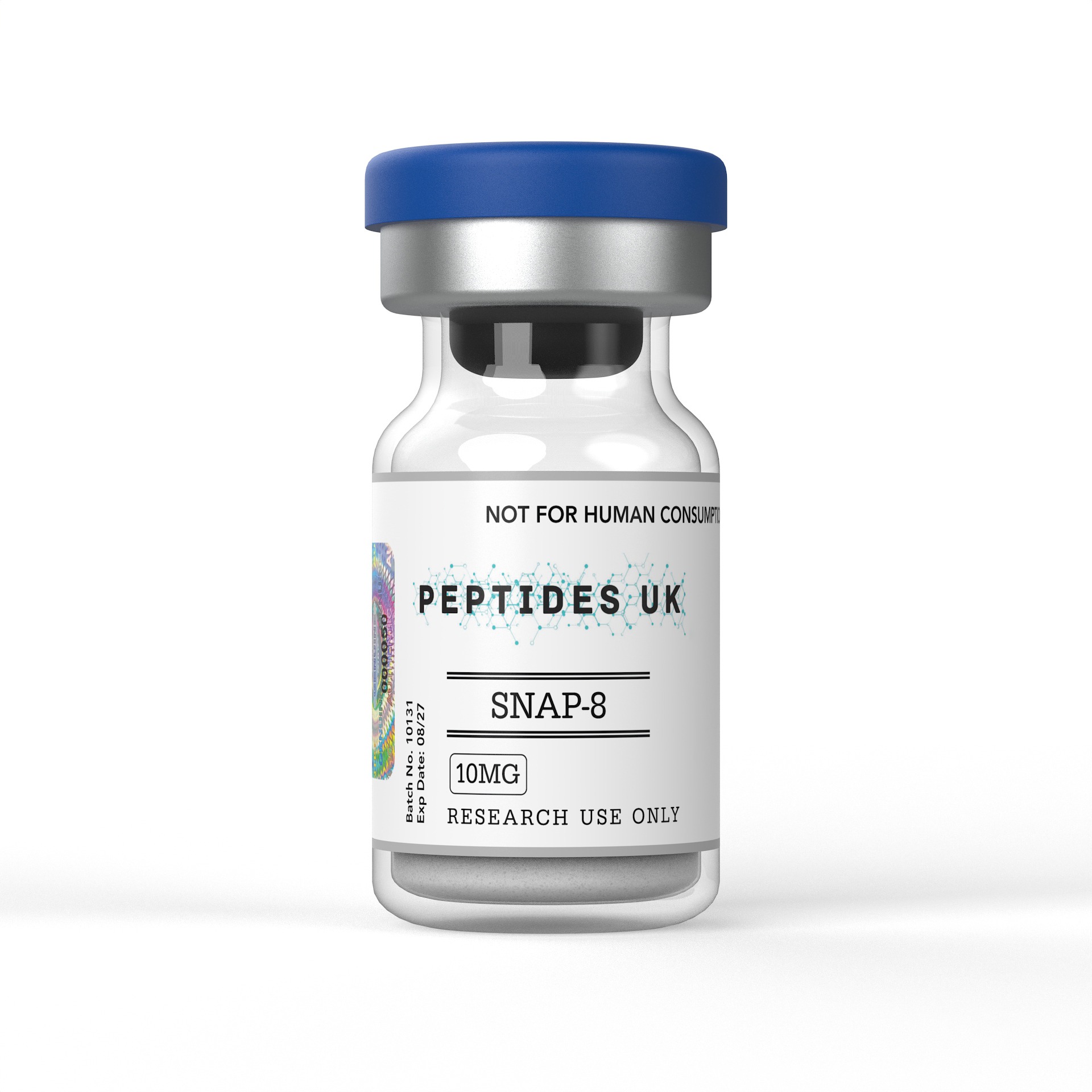
SNAP-8 — synthetic 8 amino acid research peptide analogue studied in expression modulation research protocols. HPLC-verified ≥99% purity, per-batch COA. Fast Ireland delivery.
For laboratory research use only. Not for human or veterinary use.


SNAP-8 (Acetyl Octapeptide-3) is a synthetic octapeptide and one of the most specifically engineered neurocosmetic and neuromuscular junction research peptides available to laboratories in Ireland and an eight amino acid acetylated peptide analogue of the N-terminal fragment of SNAP-25 designed to competitively interfere with SNARE complex assembly at the neuromuscular junction, modulating the regulated exocytosis of acetylcholine from motor nerve terminals that drives skeletal muscle contraction, making it a targeted research tool for studying SNARE protein biology, synaptic vesicle fusion mechanisms, acetylcholine release pharmacology, neuromuscular junction signalling, and the molecular machinery of regulated secretion in neuronal and non-neuronal cell biology, Researchers and institutions across Ireland can source verified, research-grade SNAP-8 directly from our Irish peptide supply, with domestic-speed dispatch and complete batch documentation.
✅ ≥99% Purity , HPLC & Mass Spectrometry Verified
✅ Batch-Specific Certificate of Analysis (CoA) Included
✅ Sterile Lyophilised Powder | GMP Manufactured
✅ Fast Dispatch to Ireland | Peptides Ireland Stock
SNAP-8 . Formally designated Acetyl Octapeptide-3 and carrying the sequence Ac-EEMQRRAD-NH2 . Is a synthetic acetylated octapeptide representing the N-terminal eight amino acid segment of SNAP-25 (Synaptosomal-Associated Protein 25), one of the three core proteins of the neuronal SNARE complex that mediates synaptic vesicle fusion and neurotransmitter exocytosis at the presynaptic membrane. SNAP-8 was developed as an extended analogue of the hexapeptide Argireline (Acetyl Hexapeptide-3 / Ac-EEMQRR-NH2) and incorporating two additional C-terminal amino acid residues (alanine-aspartate) that increase the peptide’s competitive affinity for SNARE complex interaction sites and extend its functional activity as a SNARE assembly competitor relative to its shorter parent compound.
To understand SNAP-8’s research mechanism, the molecular biology of SNARE-mediated neurotransmitter release must be understood. Neuromuscular transmission , the process through which motor nerve action potentials trigger skeletal muscle contraction , depends on the calcium-triggered fusion of acetylcholine-containing synaptic vesicles with the presynaptic membrane of motor nerve terminals. This membrane fusion event is executed by the neuronal SNARE complex , a highly conserved membrane fusion machinery comprising three proteins that together form a four-helix bundle that mechanically pulls the vesicle and plasma membranes into close apposition to drive fusion. The three SNARE proteins are Syntaxin-1 (t-SNARE on the plasma membrane), VAMP/Synaptobrevin (v-SNARE on the synaptic vesicle membrane), and SNAP-25 (t-SNARE on the plasma membrane contributing two of the four helices to the complex) , and their progressive assembly into the four-helix SNARE complex provides the mechanical energy for membrane fusion.
SNAP-25 contributes two alpha-helical domains to the SNARE complex , an N-terminal helix and a C-terminal helix, Both of which participate in the coiled-coil interactions that drive SNARE complex zippering and membrane fusion. The N-terminal domain of SNAP-25 initiates the early stages of SNARE complex assembly through interaction with Syntaxin-1 , and the SNAP-8 peptide sequence, representing the N-terminal eight amino acids of SNAP-25, is designed to compete with full-length SNAP-25 for these early assembly interactions. By occupying the SNAP-25 N-terminal binding sites on assembling SNARE complexes, SNAP-8 acts as a competitive inhibitor of SNARE complex formation . Reducing the efficiency and rate of synaptic vesicle fusion and thereby attenuating the regulated exocytosis of acetylcholine at the neuromuscular junction.
The competitive, reversible nature of SNAP-8’s SNARE inhibition mechanism and interference with protein-protein assembly rather than irreversible covalent modification . Distinguishes it from botulinum neurotoxin (BoNT), which achieves neuromuscular junction modulation through irreversible proteolytic cleavage of SNARE proteins. This mechanistic distinction has research significance beyond simple efficacy comparison , SNAP-8’s reversible competitive inhibition provides a pharmacological tool for studying SNARE assembly kinetics and the dose-dependent relationship between SNARE complex inhibition and neurotransmitter release that irreversible BoNT cleavage can’t provide.
In controlled laboratory and pre-clinical settings, SNAP-8 is studied across a range of SNARE biology, neuromuscular junction pharmacology, regulated secretion research, and molecular neuroscience applications:
SNARE Complex Assembly and Inhibition Research , SNAP-8’s primary research application is as a competitive inhibitor of SNARE complex assembly . With studies examining how the peptide interferes with SNAP-25/Syntaxin-1 N-terminal domain interactions, the dose-response relationship between SNAP-8 concentration and SNARE complex formation efficiency, and the structural basis of competitive SNARE assembly inhibition through N-terminal SNAP-25 fragment competition. Research has used SNAP-8 to probe the early stages of SNARE complex nucleation , the initiation of Syntaxin-1/SNAP-25 interaction that precedes full four-helix bundle assembly, Contributing to understanding of how SNARE complex formation proceeds and can be pharmacologically modulated.
Synaptic Vesicle Fusion Mechanism Research . SNAP-8 provides a tool for studying the relationship between SNARE complex assembly and synaptic vesicle fusion and with research examining how partial or graded inhibition of SNARE complex formation influences the kinetics and amplitude of membrane fusion events in neuronal and reconstituted membrane fusion systems. Studies have used SNAP-8 to examine how the efficiency of SNARE complex assembly determines the probability and timing of vesicle fusion, Contributing to fundamental understanding of the mechanical basis of SNARE-driven membrane fusion.
Neuromuscular Junction Pharmacology Research . SNAP-8’s effects on acetylcholine release at the neuromuscular junction have been studied in pre-clinical neuromuscular junction research models . With studies examining how SNARE complex inhibition influences the quantal content of neuromuscular transmission, the relationship between acetylcholine release modulation and muscle contraction parameters, and the dose-response characteristics of SNAP-8-mediated neuromuscular junction modulation in relevant research models. These neuromuscular junction studies have contributed to understanding of how SNARE assembly efficiency determines neuromuscular transmission fidelity.
Acetylcholine Release Biology Research , SNAP-8 provides a pharmacological tool for studying regulated acetylcholine exocytosis . Examining how SNARE complex assembly modulation influences the calcium-triggered release of acetylcholine from motor nerve terminal vesicles, the relationship between SNARE complex availability and release probability under different stimulation frequencies, and how the reserve pool of SNARE proteins contributes to sustained neuromuscular transmission. These acetylcholine release studies have contributed to fundamental understanding of how the molecular machinery of vesicle fusion determines the physiological parameters of cholinergic neurotransmission.
SNAP-25 Structure-Activity Relationship Research and SNAP-8’s design as an N-terminal SNAP-25 fragment makes it a tool for structure-activity relationship research examining which regions of the SNAP-25 N-terminal helix are critical for SNARE complex nucleation and assembly , with studies using SNAP-8 and related fragments of different lengths and sequences to map the minimal binding determinants required for competitive SNARE assembly inhibition. These SAR studies have contributed to understanding of SNAP-25’s structural contribution to SNARE complex biology.
Comparison with Botulinum Neurotoxin Mechanism Research . SNAP-8 has been used in comparative mechanistic research alongside BoNT to examine how reversible competitive SNARE inhibition and irreversible proteolytic SNARE cleavage produce different profiles of neuromuscular junction modulation and characterising how the reversible, graded inhibition of SNAP-8 differs from the binary, irreversible nature of BoNT-mediated SNARE protein cleavage in terms of neurotransmitter release kinetics, recovery dynamics, and dose-response relationships. These comparative studies have contributed to mechanistic understanding of how different pharmacological approaches to SNARE biology produce distinct neuromuscular junction effects.
Regulated Secretion Research in Non-Neuronal Systems . SNARE proteins mediate regulated secretion in multiple non-neuronal cell types and including pancreatic beta cells where SNARE-mediated insulin vesicle exocytosis drives insulin secretion, mast cells where SNARE-mediated granule exocytosis drives histamine and inflammatory mediator release, and platelets where SNARE-mediated dense granule exocytosis contributes to thrombosis biology. SNAP-8 has been used as a research tool in non-neuronal secretion research , examining how SNAP-25 N-terminal fragment competition influences regulated exocytosis in these non-neuronal secretory cell systems and contributing to understanding of how SNARE biology generalises across secretory cell types.
Argireline vs SNAP-8 Comparative Peptide Research , SNAP-8’s design as an extended analogue of Argireline . Adding two additional C-terminal residues to the Argireline sequence , has made comparative research between the two peptides a natural research application for characterising how peptide length and the additional residues influence SNARE complex binding affinity, competitive inhibition potency, and tissue penetration. Studies comparing Argireline and SNAP-8 have characterised the incremental pharmacological improvement conferred by the two additional residues and contributing to structure-activity understanding within the SNAP-25 N-terminal fragment research series.
Calcium-Triggered Exocytosis and Synaptotagmin Research , SNARE complex assembly is regulated by synaptotagmin and the calcium sensor that triggers synchronous neurotransmitter release by simultaneously binding calcium ions and the assembled SNARE complex to accelerate membrane fusion in response to presynaptic calcium influx. Research has used SNAP-8 to examine how SNARE complex availability influences the efficiency of synaptotagmin-triggered synchronous release and characterising the relationship between pre-assembled SNARE complex pool size and the amplitude of calcium-triggered vesicle fusion events in neuronal research models.
Cosmetic Biology and Skin Research and SNAP-8 occupies a unique position in peptide research as a compound studied across both fundamental neuroscience and applied dermatological research contexts and with studies examining its effects on facial muscle contraction modulation through neuromuscular junction SNARE inhibition in relevant research models. Research has characterised SNAP-8’s mechanism in skin-relevant delivery and penetration contexts , contributing to the growing literature on topically active neurocosmetic peptides that target SNARE biology at superficial neuromuscular junctions.
SNAP-8 has generated a focused research literature spanning SNARE biology, neuromuscular junction pharmacology, and comparative neurocosmetic peptide research . Building on the extensive foundational literature characterising SNAP-25 and SNARE complex biology.
SNARE Complex Competitive Inhibition Mechanism Confirmed , Research has confirmed SNAP-8’s mechanism as a competitive inhibitor of SNARE complex assembly . With biochemical studies documenting SNAP-8’s interaction with Syntaxin-1 and its capacity to compete with full-length SNAP-25 N-terminal domain for early SNARE complex assembly interactions. Studies using SNARE reconstitution systems have characterised how SNAP-8 reduces the efficiency of four-helix bundle formation in a concentration-dependent manner and establishing the mechanistic basis for its effects on regulated vesicle fusion and validating the competitive SNARE inhibition hypothesis underlying its design.
Acetylcholine Release Modulation Documented . Studies have documented SNAP-8-associated modulation of acetylcholine release in pre-clinical neuromuscular junction research models , with research characterising reductions in acetylcholine quantal content consistent with impaired SNARE complex assembly and reduced vesicle fusion probability following SNAP-8 treatment. These acetylcholine release findings have provided functional evidence connecting SNAP-8’s biochemical SNARE inhibition mechanism to measurable changes in neuromuscular transmission parameters . Establishing the mechanistic chain from SNARE complex competition to neurotransmitter release modulation.
Superior Potency vs Argireline Characterised , Comparative studies examining SNAP-8 and Argireline in parallel SNARE inhibition assays and relevant biological models have documented SNAP-8’s improved potency relative to Argireline , consistent with the two additional C-terminal residues enhancing binding affinity at SNARE assembly interaction sites. Research has characterised the magnitude of this potency improvement and the structural basis for the enhanced SNARE complex competition conferred by the extended peptide sequence , validating the rational design rationale for extending the Argireline sequence to produce SNAP-8 and contributing to structure-activity understanding within the SNAP-25 N-terminal fragment series.
SNARE Biology Across Secretory Cell Types Examined , Research examining SNAP-8 in non-neuronal secretory systems has documented effects on regulated exocytosis in multiple secretory cell type models, Consistent with the conserved role of SNAP-25-containing SNARE complexes in regulated secretion across cell types. Studies examining insulin secretion from pancreatic beta cells and histamine release from mast cells have used SNAP-8 as a tool to probe SNARE complex-dependent secretion mechanisms and contributing to understanding of how SNARE biology operates in non-neuronal regulated secretion contexts and establishing SNAP-8 as a research tool relevant beyond its primary neuromuscular junction research application.
Reversibility Distinguishing SNAP-8 from Botulinum Toxin Characterised . Research has characterised the reversible, competitive nature of SNAP-8’s SNARE inhibition and documenting recovery of normal SNARE complex assembly and neurotransmitter release following SNAP-8 washout in relevant research systems. This reversibility characterisation has established SNAP-8’s mechanistic distinction from BoNT’s irreversible SNARE proteolysis . Providing important comparative context for interpreting SNAP-8 biology and establishing it as a research tool that enables study of graded, reversible SNARE modulation that BoNT’s binary irreversible mechanism can’t provide.
Skin Penetration and Dermal Delivery Research , Studies examining SNAP-8 in dermatological research contexts have characterised its behaviour in skin penetration models and formulation systems relevant to topical delivery research — examining how the octapeptide’s physicochemical properties influence transdermal diffusion, interaction with skin barrier components, and delivery to superficial neuromuscular junction targets. These delivery research findings have contributed to the growing neurocosmetic peptide literature and have established SNAP-8 as a reference compound for studying how SNARE-targeting peptides can be formulated and delivered in dermatological research contexts.
| Feature | SNAP-8 | Argireline (Acetyl Hexapeptide-3) | Botulinum Toxin Type A | Leuphasyl | SYN-AKE |
|---|---|---|---|---|---|
| Type | Synthetic acetylated octapeptide | Synthetic acetylated hexapeptide | Bacterial neurotoxin protein | Synthetic pentapeptide | Synthetic tripeptide analogue |
| Sequence | Ac-EEMQRRAD-NH2 | Ac-EEMQRR-NH2 | 150 kDa protein complex | Ac-YRGDAD-NH2 | Ac-Glu-Val-OH |
| Mechanism | SNARE complex competitive inhibition , SNAP-25 N-terminal fragment | SNARE complex competitive inhibition . Shorter fragment | Irreversible SNAP-25/VAMP proteolytic cleavage | SNARE complex modulation + ENK receptor | Muscarinic receptor antagonism |
| Target | SNAP-25 N-terminal / Syntaxin-1 interaction | SNAP-25 N-terminal / Syntaxin-1 interaction | SNAP-25 (BoNT-A) / VAMP (BoNT-B) cleavage | SNARE complex + enkephalin pathway | Muscarinic acetylcholine receptor |
| Inhibition Type | Reversible and competitive | Reversible and competitive | Irreversible . Proteolytic | Reversible | Reversible , receptor antagonism |
| Potency vs Argireline | Greater . 2 additional residues | Reference | Far greater . Irreversible mechanism | Lower | Different mechanism |
| SNARE Selectivity | SNAP-25 N-terminal domain | SNAP-25 N-terminal domain | SNAP-25 whole protein cleavage | Partial SNARE | None , receptor-based |
| Research Profile | Well-documented | Well-documented | Extensively studied | Growing | Well-documented |
| Parameter | Detail |
|---|---|
| Name | SNAP-8 (Acetyl Octapeptide-3) |
| Formal Designation | Acetyl Octapeptide-3 |
| Sequence | Ac-EEMQRRAD-NH2 |
| Parent Protein | SNAP-25 , N-terminal fragment residues 1–8 |
| Molecular Weight | 1075.2 Da |
| Mechanism | Competitive SNARE complex assembly inhibition |
| Target Interaction | SNAP-25 N-terminal domain / Syntaxin-1 early assembly interaction |
| Inhibition Type | Reversible and competitive protein-protein interaction inhibition |
| Key Distinction from Argireline | Two additional C-terminal residues , enhanced SNARE binding affinity |
| Key Distinction from BoNT | Reversible competitive inhibition vs irreversible proteolytic cleavage |
| Purity | ≥99% HPLC & MS Verified |
| Form | Sterile Lyophilised Powder |
| Solubility | Sterile water or suitable laboratory buffer , see reconstitution note |
| Storage (Powder) | -20°C, protect from light and moisture |
| Storage (Reconstituted) | 2–8°C and use within 7 days or aliquot at -80°C |
| Manufacturing | GMP Manufactured |
| Intended Use | Research use only |
SNAP-8 reconstitutes readily in sterile water or appropriate laboratory buffer. Allow the vial to reach room temperature before opening. Add sterile water or PBS slowly down the inside wall of the vial and swirl gently . Don’t inject directly onto the lyophilised powder and don’t vortex or shake vigorously. Prepare a concentrated stock solution and dilute to working concentration in PBS or appropriate cell culture buffer as required by your research protocol. For SNARE complex assembly assays and biochemical binding studies, ensure buffer conditions are compatible with SNARE protein stability and neutral pH with physiological ionic strength is usually appropriate. Store reconstituted stock at 2–8°C for short-term use within 7 days, or aliquot into single-use volumes and store at -80°C for longer-term preservation. Avoid repeated freeze-thaw cycles and exposure to elevated temperatures to maintain peptide structural integrity and SNARE complex binding activity across experimental sessions.
Every order of SNAP-8 in Ireland includes:
✅ Batch-Specific Certificate of Analysis (CoA)
✅ HPLC Chromatogram
✅ Mass Spectrometry Confirmation
✅ Sterility & Endotoxin Testing Report
✅ Reconstitution Protocol
✅ Technical Research Support
Yes , we supply research-grade SNAP-8 to researchers and institutions across Ireland with fast dispatch and full batch documentation. This compound is supplied strictly for laboratory research purposes only.
SNAP-25 (Synaptosomal-Associated Protein 25) is one of the three core proteins of the neuronal SNARE complex . A plasma membrane-anchored t-SNARE that contributes two alpha-helical domains (N-terminal and C-terminal) to the four-helix bundle that mechanically drives synaptic vesicle fusion and neurotransmitter exocytosis. As the protein from which SNAP-8’s sequence is derived and the molecular target of SNAP-8’s competitive inhibition mechanism, SNAP-25 is entirely central to understanding SNAP-8’s biology. SNAP-25’s two helix contributions to the SNARE complex make it a uniquely critical assembly component , and the N-terminal helix, from which SNAP-8’s sequence is taken, initiates the early stages of SNARE complex nucleation through interaction with Syntaxin-1, making it the logical target for competitive inhibition by N-terminal SNAP-25 fragment peptides. Beyond its role at the neuromuscular junction, SNAP-25 is expressed throughout the nervous system and participates in SNARE-mediated vesicle fusion at central synapses , making it a research target of broad relevance to neuroscience beyond peripheral neuromuscular junction biology.
The SNARE complex mediates synaptic vesicle fusion through a progressive zippering mechanism beginning with the nucleation of Syntaxin-1 and the SNAP-25 N-terminal helix into a partially assembled intermediate, then recruiting VAMP/Synaptobrevin on the vesicle membrane to form the full four-helix bundle that zippers from the N-terminus toward the membrane-proximal C-terminus, generating the mechanical force that pulls vesicle and plasma membranes together and drives fusion. SNAP-8 intervenes at the earliest stage of this assembly process , competing with the full-length SNAP-25 N-terminal helix for the interaction with Syntaxin-1 that initiates SNARE complex nucleation. By occupying these early assembly interaction sites with a short fragment that can’t complete the full four-helix bundle, SNAP-8 reduces the efficiency of productive SNARE complex formation , leaving fewer fully assembled SNARE complexes available to drive calcium-triggered membrane fusion and thereby attenuating the amplitude of neurotransmitter release per stimulation event.
SNAP-8 and Argireline share the same N-terminal SNAP-25 fragment competitive inhibition mechanism , both peptides represent N-terminal sequences of SNAP-25 designed to compete with full-length SNAP-25 for Syntaxin-1 binding during SNARE complex nucleation. The difference is in peptide length and the consequent SNARE binding affinity. Argireline represents the first six amino acids of SNAP-25 N-terminal domain (Ac-EEMQRR-NH2) while SNAP-8 extends this by two additional C-terminal residues to eight amino acids (Ac-EEMQRRAD-NH2). The two additional residues in SNAP-8 , alanine and aspartate and provide additional contacts with the SNARE complex assembly interface that increase binding affinity and competitive inhibition potency relative to the shorter Argireline sequence. In research terms, SNAP-8 is the more potent SNARE complex competitor while Argireline provides a useful shorter-fragment comparison point for structure-activity relationship research examining how peptide length within the SNAP-25 N-terminal sequence determines competitive SNARE inhibition efficacy.
SNAP-8 and botulinum neurotoxin both modulate neuromuscular junction function through effects on SNARE complex-mediated acetylcholine release . But through mechanistically opposite and pharmacologically distinct approaches that make them complementary rather than equivalent research tools. Botulinum neurotoxin type A enters motor nerve terminals and irreversibly cleaves SNAP-25 at a specific peptide bond and permanently destroying the target protein’s capacity to participate in SNARE complex assembly and producing durable, long-lasting neuromuscular junction blockade that persists until new SNAP-25 protein is synthesised and trafficked to the nerve terminal. SNAP-8 acts through competitive occupation of SNARE assembly interaction sites . A reversible, non-destructive inhibition that reduces SNARE complex formation efficiency without eliminating the target protein. The research implications of this distinction are significant , BoNT’s irreversible mechanism produces binary blockade useful for studying complete SNARE function loss, while SNAP-8’s reversible graded inhibition allows dose-dependent modulation of SNARE assembly efficiency and studies of partial, reversible SNARE complex inhibition that irreversible BoNT cleavage can’t provide. The two compounds address complementary research questions about SNARE biology and neuromuscular junction pharmacology.
SNARE complex-mediated regulated secretion isn’t limited to neuronal synaptic vesicle fusion . SNARE proteins including SNAP-25 or its isoforms are expressed in multiple secretory cell types where they mediate regulated exocytosis of diverse secretory cargo. Pancreatic beta cells use SNARE-mediated fusion for insulin secretion and with SNAP-25 expression in beta cells making SNAP-8 a potential research tool for studying how SNARE complex modulation influences glucose-stimulated insulin release. Mast cells express SNARE proteins for IgE-triggered granule exocytosis and making SNAP-8 relevant to studying SNARE-dependent histamine and inflammatory mediator release in mast cell biology research. Platelets employ SNARE-mediated dense and alpha granule exocytosis , making SNAP-8 of interest in thrombosis and platelet biology research contexts. These non-neuronal applications have established SNAP-8 as a research tool relevant to the broader biology of regulated secretion beyond its primary neuromuscular junction and SNARE neuroscience research context.
≥99% purity is strongly recommended for SNARE complex assembly assays, protein-protein interaction binding studies, neuromuscular junction pharmacology research, acetylcholine release measurements, and comparative peptide biology experiments and where compound purity directly determines the reliability of SNARE binding affinity measurements, inhibition potency characterisation, and functional neuromuscular junction biology outcomes. Given SNAP-8’s mechanism through specific SNARE protein interaction, peptide impurities could introduce non-specific binding signals in sensitive SNARE assembly assays and confound structure-activity research comparing SNAP-8 with related fragments. All SNAP-8 Ireland stock is independently verified to ≥99% purity by HPLC and mass spectrometry.
Allow the vial to reach room temperature before opening. Add sterile water or appropriate laboratory buffer slowly down the inside wall of the vial and swirl gently . Don’t inject directly onto the lyophilised powder and don’t vortex or shake vigorously. Prepare a concentrated stock solution and dilute to working concentration in PBS or cell culture media as required by your research protocol. For SNARE complex assembly and biochemical binding research, ensure buffer conditions support SNARE protein stability , neutral pH physiological buffer is appropriate. Store reconstituted stock at 2–8°C for short-term use within 7 days, or aliquot into single-use volumes and store at -80°C for longer-term preservation. Avoid repeated freeze-thaw cycles and exposure to elevated temperatures to preserve SNARE complex binding activity across experimental sessions.
SNAP-8 is supplied exclusively for legitimate scientific research purposes conducted within licensed laboratory environments. This product isn’t intended for human consumption, self-administration, or any therapeutic application. It must be handled by qualified researchers in compliance with applicable Irish and EU regulations and institutional ethics guidelines. By purchasing, you confirm that this compound will be used solely for approved in vitro or pre-clinical research purposes.
SNAP-8 isn’t authorised as a medicine by the HPRA. It’s legal to buy, hold and use as a research chemical for in-vitro laboratory work, and that’s the only use we supply it for. If you want the full regulatory picture, see our Irish researcher’s guide to peptide legality.
Every vial ships with an HPLC purity trace (typically ≥99%), mass-spec identity confirmation, and endotoxin/heavy-metal screening on the batch. The full per-batch Certificate of Analysis is available on request from research@peptideslabireland.com. Our quality system is ISO 9001 certified and third-party testing runs through a UKAS-accredited lab.
Standard protocol: let the SNAP-8 vial and your bacteriostatic water come to room temperature, wipe both stoppers with a 70% isopropyl swab, then inject the water slowly down the side wall of the peptide vial. Don’t stream directly onto the powder cake. Swirl gently, don’t shake, and give it five to ten minutes to fully dissolve. Label the vial with compound, concentration and reconstitution date, store at 2–8°C between assays.
Same-day dispatch on orders placed before 2pm on a working day. Delivery is 24–48 hours to any Irish county via An Post Express or DPD. Cold chain is preserved with insulated wrap plus gel pack. No customs step, no border delays . Because it never leaves Ireland.
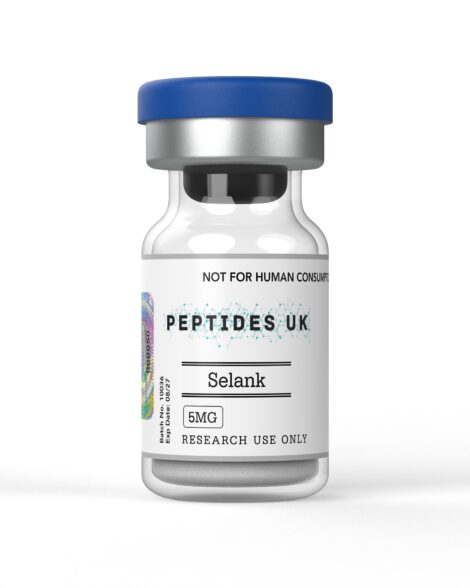
In the Irish research space SNAP-8 tends to appear in neuroprotection, cognitive-pathway and neurotransmission research. It’s often paired with Semax or Selank when researchers are studying combined mechanisms rather than the compound alone.
Lyophilised SNAP-8 is stable at ≤-20°C long-term, dessicated. Once reconstituted, keep it refrigerated at 2–8°C and use within the working shelf life described on the CoA. Freeze/thaw cycles degrade peptides, so aliquot the reconstituted solution if you plan to run assays over several weeks.

Receive News