PRODUCTS SOLD ON PEPTIDESLABIRELAND.COM ARE FOR RESEARCH PURPOSES ONLY AND ARE NOT FOR HUMAN OR VETERINARY USE.
Fast Ireland delivery — dispatched to Dublin, Cork, Galway, Limerick and nationwide.
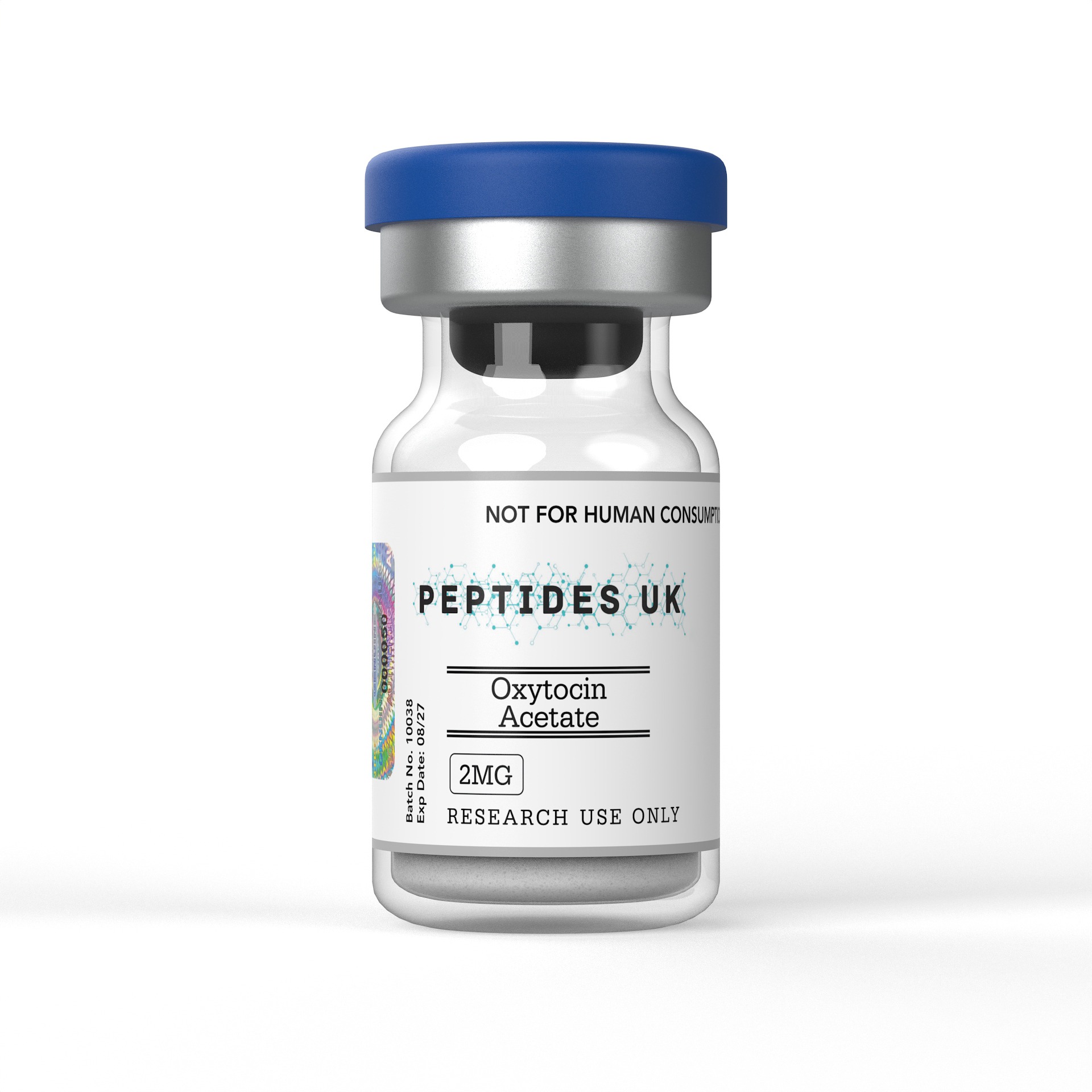
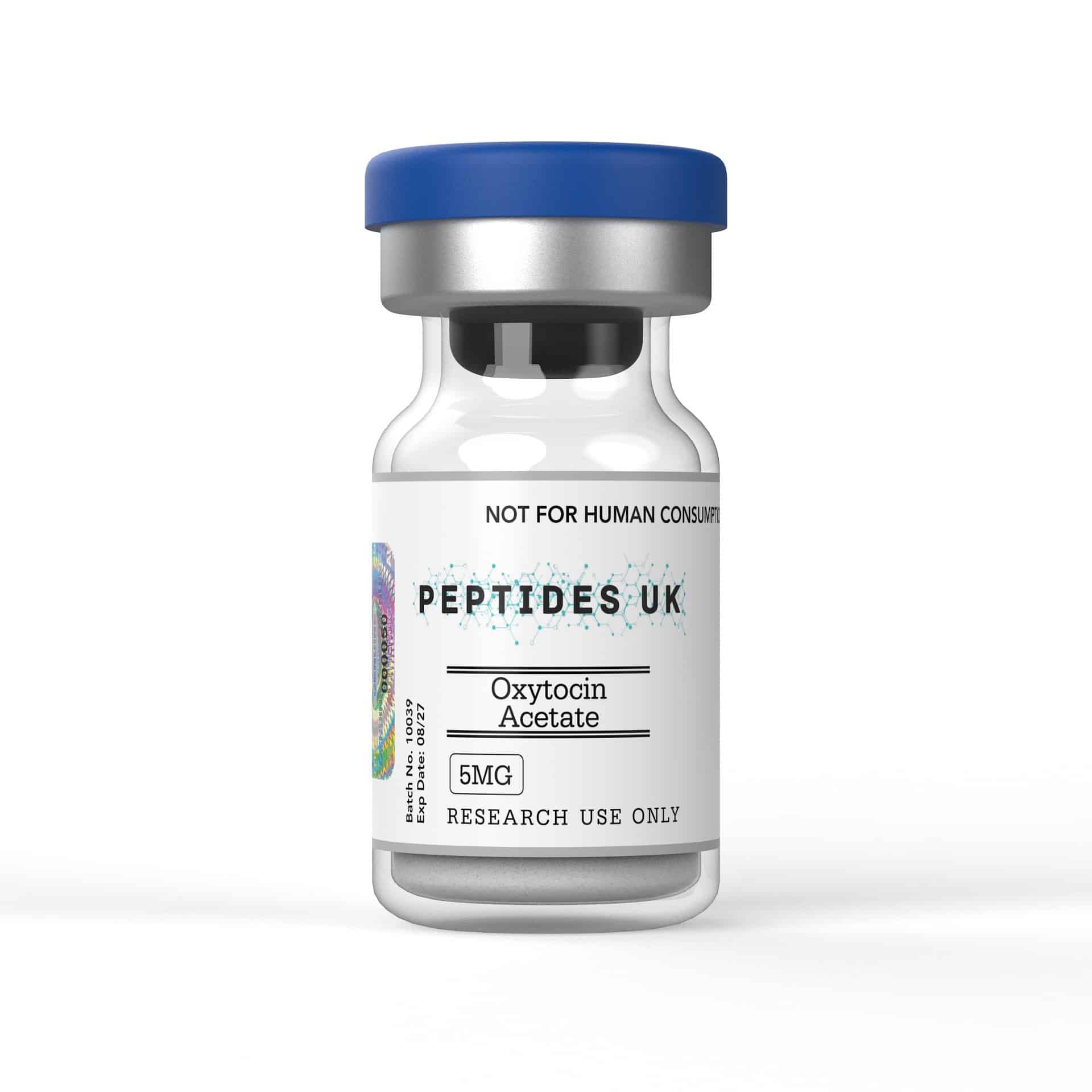
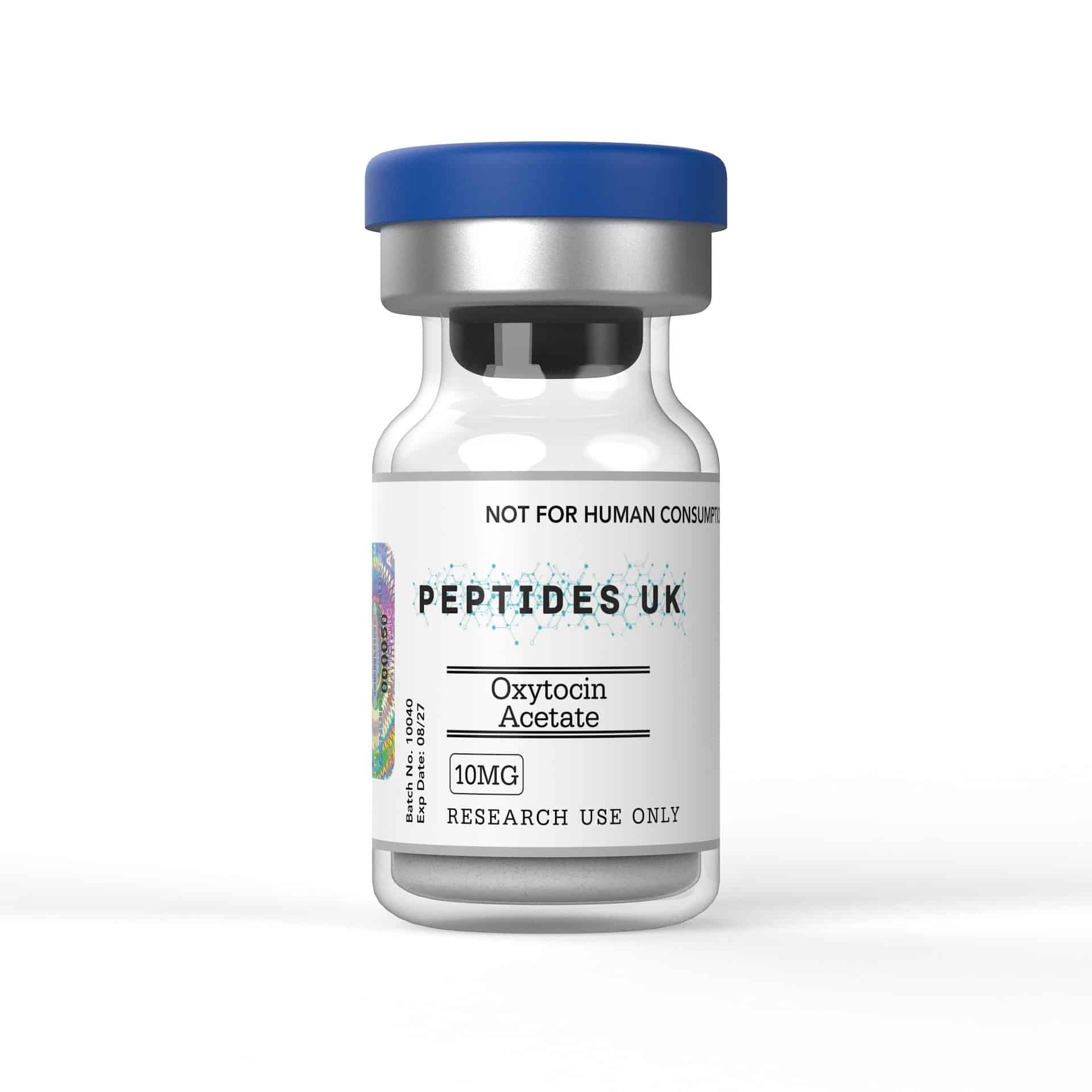
€30.50 – €108.50Price range: €30.50 through €108.50
Oxytocin — 9 amino acid neuropeptide reference for oxytocinergic receptor and neuropeptide signalling research. HPLC-verified ≥99% purity, per-batch COA. Fast Ireland delivery.
For laboratory research use only. Not for human or veterinary use.


Oxytocin is a synthetic nonapeptide neuropeptide and one of the most extensively studied and multifunctionally significant research compounds available to laboratories in Ireland a cyclic nine-amino acid peptide originally characterised as a posterior pituitary hormone governing uterine contractility and milk ejection that has since been established as a centrally acting neuromodulator with pervasive roles in social behaviour, pair bonding, trust, anxiety regulation, stress responses, appetite and metabolic regulation, pain modulation, and cardiovascular homeostasis, making it an indispensable research tool for studying oxytocin receptor pharmacology and signal transduction, hypothalamic neuropeptide biology, social neuroscience and affiliative behaviour neurocircuitry, the neurobiology of trust and prosocial behaviour, anxiety and stress axis regulation, maternal behaviour and parent-infant bonding, sexual behaviour and reproductive biology, the interaction between oxytocin and dopamine reward circuitry, and the emerging research biology of oxytocin system dysregulation in autism spectrum disorder, schizophrenia, post-traumatic stress disorder, and other psychiatric and neurodevelopmental conditions, Researchers and institutions across Ireland can source verified, research-grade Oxytocin directly from our Irish peptide supply, with domestic-speed dispatch and complete batch documentation.
✅ ≥99% Purity . HPLC & Mass Spectrometry Verified
✅ Batch-Specific Certificate of Analysis (CoA) Included
✅ Sterile Lyophilised Powder | GMP Manufactured
✅ Fast Dispatch to Ireland | Peptides Ireland Stock
Oxytocin is a cyclic nonapeptide and Cys-Tyr-Ile-Gln-Asn-Cys-Pro-Leu-Gly-NH2, with a disulfide bridge between the two cysteine residues at positions 1 and 6 forming the characteristic six-amino acid ring structure , synthesised primarily in magnocellular neurosecretory neurons of the paraventricular nucleus (PVN) and supraoptic nucleus (SON) of the hypothalamus, from which it’s released both into the posterior pituitary portal circulation for systemic peripheral hormonal actions and within the central nervous system as a neuromodulator acting on widely distributed oxytocin receptors in limbic, cortical, striatal, brainstem, and spinal cord regions. The neuropeptide was first isolated and chemically characterised by Vincent du Vigneaud at Cornell University and work for which he was awarded the Nobel Prize in Chemistry in 1955 and representing the first polypeptide hormone to be sequenced and synthesised, establishing oxytocin as a landmark compound in the history of peptide chemistry and endocrinology.
The biological significance of oxytocin as a research compound has expanded dramatically from its initial characterisation as a peripheral hormonal regulator of parturition and lactation and the discovery of central oxytocin release from hypothalamic axon collaterals projecting to limbic, brainstem, and spinal regions, combined with the characterisation of oxytocin receptors across many brain regions governing behaviour, emotion, and cognition, has established oxytocin as one of the most biologically and behaviourally important neuropeptides in the mammalian brain. Central oxytocin signalling has been implicated in regulating virtually every dimension of mammalian social life . From the formation of pair bonds and parent-infant attachment to the modulation of social recognition memory, trust, generosity, empathy, and approach versus avoidance responses to social stimuli making it the subject of an extraordinary volume of social neuroscience research that has characterised the oxytocin system as a fundamental molecular substrate of prosocial behaviour across species.
Oxytocin acts through the oxytocin receptor and a Gq/11-coupled seven-transmembrane G protein-coupled receptor with highest expression in the uterus, mammary gland, and in brain regions including the hypothalamus, amygdala, nucleus accumbens, ventral tegmental area, hippocampus, and prefrontal cortex , activating downstream phospholipase C, IP3-mediated calcium release, protein kinase C, and MAP kinase signalling cascades that mediate oxytocin’s diverse cellular effects. The oxytocin receptor shares significant sequence homology with the vasopressin V1a, V1b, and V2 receptors , reflecting their evolutionary relationship as members of the vasopressin/oxytocin receptor superfamily and and this homology produces cross-reactivity between oxytocin and vasopressin at their respective receptors that’s important for research designs requiring pharmacological specificity. Synthetic oxytocin used in research is chemically identical to the endogenous nonapeptide and activates both central and peripheral oxytocin receptors with equivalent pharmacology to the native hormone.
In controlled laboratory and pre-clinical settings, Oxytocin is studied across an exceptionally broad range of neuroendocrinology, social neuroscience, behavioural pharmacology, reproductive biology, psychiatric research, and metabolic biology applications:
Synthetic Oxytocin is the primary reference agonist for studying oxytocin receptor pharmacology and examining receptor binding kinetics and affinity characterisation, Gq/11-mediated phospholipase C activation and inositol trisphosphate signalling, calcium mobilisation and protein kinase C activation downstream of receptor engagement, MAP kinase pathway activation, receptor desensitisation and internalisation kinetics, and the downstream transcriptional consequences of oxytocin receptor activation in target cell types. Research has used Oxytocin to characterise structure-activity relationships within the oxytocin/vasopressin receptor superfamily, to study receptor subtype selectivity in cell systems expressing defined receptor populations, and to establish the signal transduction basis for oxytocin’s diverse cellular effects across uterine, mammary, neural, and cardiovascular target tissues. These receptor pharmacology studies have provided the molecular framework for understanding how a single Gq-coupled neuropeptide receptor mediates such diverse behavioural and physiological effects across multiple tissue types and brain regions.
Oxytocin is the preeminent research tool for studying the neurobiology of prosocial behaviour and with research examining how central oxytocin signalling regulates social approach and affiliation, social recognition memory, pair bond formation and maintenance, group cohesion, cooperative behaviour, generosity, and empathic responses to others’ emotional states. Studies have characterised the brain circuits through which oxytocin promotes prosocial behaviour examining oxytocin receptor activation in the nucleus accumbens, ventral tegmental area, prefrontal cortex, and anterior cingulate cortex, and the interaction between oxytocin signalling and dopamine reward circuitry that produces the positive valuation of social contact and affiliation. Research using central and peripheral Oxytocin administration in rodent models has established the causal role of oxytocin receptor activation in prosocial behaviour and contributed to understanding of how endogenous oxytocin release during social interaction reinforces social bonding and affiliative behaviour.
Oxytocin is the central molecular tool for studying the neurobiology of selective social attachment and pair bonding . With prairie vole models providing a especially productive research system in which the role of oxytocin in pair bond formation has been mechanistically characterised. Research has established that oxytocin release during mating activates nucleus accumbens oxytocin receptors and engages dopamine reward signalling to produce partner-selective attachment and and has used synthetic Oxytocin to examine how oxytocin receptor activation at specific brain sites and specific timings relative to social experience drives the formation of enduring partner preferences. These pair bonding studies have established oxytocin as a fundamental neurobiological substrate of selective attachment and contributed to understanding of how social experience-triggered neuropeptide release encodes long-lasting social bonds.
Oxytocin’s role in maternal behaviour has been extensively studied . With research characterising how parturition-associated oxytocin release primes maternal bonding behaviour, how central oxytocin signalling in the medial preoptic area, bed nucleus of the stria terminalis, and other limbic regions drives pup-directed nurturing, nursing, and protective behaviours in rodent models, and how disruption of oxytocin signalling impairs maternal behaviour. Research has also examined oxytocin’s role in bidirectional parent-infant bonding . Studying how oxytocin is released in both parent and infant during physical contact, play, and eye gaze, and how this mutual oxytocin release reinforces the parent-infant bond. These maternal and parent-infant bonding studies have established oxytocin as a critical molecular mediator of the earliest and most fundamental social attachments in mammalian development.
Oxytocin has potent anxiolytic and stress-reducing effects and with research examining how central oxytocin signalling in the amygdala, bed nucleus of the stria terminalis, and hypothalamus reduces fear responses, blunts HPA axis activation, decreases corticotropin-releasing hormone release, attenuates cortisol responses to psychosocial stress, and promotes stress resilience. Research has characterised the neural circuits through which oxytocin dampens threat-related amygdala reactivity and examining how oxytocin modulates the balance between amygdala threat detection and prefrontal regulatory control, and how oxytocin receptor activation in the central amygdala reduces fear expression and anxiety-related behaviour. These anxiety and stress regulation studies have made oxytocin one of the most intensively studied neuropeptides in the neuroscience of stress resilience and emotion regulation , contributing to understanding of the neurobiological basis of the social buffering of stress that’s a fundamental feature of mammalian social life.
Translational human research using intranasal Oxytocin administration has examined oxytocin’s role in social cognition , characterising effects of oxytocin on trust behaviour in economic game paradigms, facial emotion recognition and attribution of mental states to others, sensitivity to social cues and gaze direction, in-group preference and prosocial behaviour toward group members, and the neural correlates of social cognition including amygdala and prefrontal cortex responses to social stimuli. These social cognition studies , combining intranasal Oxytocin administration with fMRI, eye-tracking, and behavioural paradigms . Have characterised the neural and behavioural consequences of pharmacological oxytocin receptor activation during social information processing and contributed to understanding of how endogenous oxytocin modulates the neural computations underlying social behaviour in humans.
The hypothesis that oxytocin system dysfunction contributes to the social communication deficits characteristic of autism spectrum disorder has generated a substantial research programme and with studies examining oxytocin levels, oxytocin receptor genetics, and oxytocin system biology in autism models and individuals, and using synthetic Oxytocin to study the effects of oxytocin receptor activation on social behaviour in autism rodent models. Research has characterised social behaviour improvements following Oxytocin administration in multiple genetic mouse models of autism , examining the oxytocin system biology disrupted in these models, the brain circuits through which oxytocin administration rescues social behaviour deficits, and the translational implications for oxytocin-based research approaches to autism neurobiology. These autism research studies have made oxytocin one of the most extensively investigated neuropeptides in neurodevelopmental disorder biology.
Oxytocin has significant regulatory roles in appetite and energy homeostasis with central oxytocin signalling in the hypothalamus and brainstem contributing to satiety signalling, meal termination, and the regulation of food intake. Research has characterised hypothalamic oxytocin neurone projections to the nucleus tractus solitarius and dorsal vagal complex, where oxytocin receptor activation modulates visceral sensory processing and satiety signals from the gut. Studies have examined oxytocin’s effects on feeding behaviour in obesity models . Documenting food intake-reducing and body weight-lowering effects of central and peripheral Oxytocin administration , and have characterised the interaction between oxytocin and other satiety hormones including GLP-1, leptin, and cholecystokinin in the integrated regulation of energy balance. These metabolic research studies have established oxytocin as a relevant tool for studying the neuroendocrine regulation of appetite and have contributed to the emerging research interest in oxytocin-based approaches to metabolic disease biology.
Oxytocin has well-characterised analgesic and pain-modulatory effects — with central and spinal oxytocin signalling contributing to descending pain inhibition through oxytocin receptor activation in the spinal dorsal horn, periaqueductal grey, and rostral ventromedial medulla. Research has characterised the spinal mechanism of oxytocin-mediated analgesia , examining how oxytocin receptor activation in dorsal horn neurons inhibits pain transmission through GABAergic and glycinergic interneuron recruitment, modulation of substance P release, and direct inhibition of nociceptive neuron excitability. Studies have examined the analgesic effects of intrathecal and systemic Oxytocin administration in pain models , contributing to understanding of how the oxytocin system participates in the endogenous pain control systems and how social and affiliative contexts modulate pain perception through oxytocin-dependent mechanisms.
Oxytocin and its receptor are expressed in the heart and vasculature , with cardiac oxytocin receptor activation producing natriuretic peptide release, negative chronotropic effects, and cardioprotective signalling that has been characterised in cardiac ischaemia and reperfusion models. Research has examined oxytocin’s cardiovascular biology . Documenting effects on heart rate, blood pressure, and vascular tone, characterising the cardiac oxytocin receptor signalling pathway and its relationship to atrial natriuretic peptide secretion, and studying how central oxytocin release during social behaviour and positive social interaction produces cardiovascular effects consistent with parasympathetic activation and stress reduction. These cardiovascular biology studies have established oxytocin as a research tool relevant to the neurocardiology of social stress and the biology of social buffering of cardiovascular stress responses.
Decades of research across multiple mammalian species has established oxytocin as the primary molecular mediator of prosocial behaviour and social bonding and with foundational studies in prairie voles characterising the causal role of oxytocin in pair bond formation, cross-fostering studies establishing oxytocin’s role in maternal behaviour, and pharmacological studies across multiple species demonstrating that oxytocin receptor activation promotes social affiliation while receptor blockade impairs social bonding. These cross-species social bonding studies established oxytocin as a conserved molecular substrate of mammalian social life and provided the biological foundation for the extensive human social neuroscience research examining oxytocin’s role in trust, empathy, and prosocial behaviour.
Research has mechanistically characterised oxytocin’s anxiolytic effects . Documenting oxytocin receptor expression in the central and basolateral amygdala, characterising the cellular mechanisms through which oxytocin receptor activation reduces amygdala neuron excitability and threat-related firing, and demonstrating that intra-amygdala Oxytocin administration produces anxiolytic effects equivalent to systemic administration in rodent anxiety models. Neuroimaging studies have characterised reduced amygdala reactivity to threatening social stimuli following intranasal Oxytocin in human subjects . Providing translational evidence for the amygdala as a primary locus of oxytocin’s anxiety-reducing and socially facilitating effects. These amygdala mechanism studies have established the circuit basis for oxytocin’s role in regulating the balance between social approach and social avoidance.
Research has documented oxytocin’s critical role in social recognition memory and with studies demonstrating that oxytocin receptor knockout mice show profound impairments in recognising previously encountered conspecifics despite intact non-social memory, and that central Oxytocin administration rescues social recognition deficits in multiple rodent models of social memory impairment. These social recognition memory studies identified the lateral septum as a critical locus for oxytocin-mediated social memory consolidation and characterised the cellular mechanisms through which oxytocin receptor activation in the septum encodes the identity of previously encountered social partners — establishing oxytocin as a specific molecular regulator of the social memory processes underlying individual recognition.
Research has characterised the mechanisms through which oxytocin suppresses HPA axis reactivity . Documenting oxytocin receptor expression on CRH neurons in the paraventricular nucleus, the inhibitory effect of oxytocin receptor activation on CRH release and ACTH secretion, and the downstream attenuation of cortisol responses to psychosocial stressors following Oxytocin administration in rodent and human studies. The social buffering phenomenon , in which the presence of a bonded social partner attenuates HPA axis and autonomic responses to stress , has been mechanistically linked to oxytocin release, establishing oxytocin as the molecular mediator through which positive social contact produces physiological stress resilience.
Research using intranasal Oxytocin administration in human subjects has documented increased trust behaviour in economic paradigms — with the landmark study by Kosfeld and colleagues demonstrating that intranasal Oxytocin increased investment in a trust game where subjects entrusted money to an anonymous partner, and subsequent research characterising the social cognitive mechanisms underlying oxytocin-enhanced trust including reduced social fear, increased positive attribution of social intentions, and enhanced sensitivity to social reward signals. These trust research studies have been influential in establishing oxytocin as a modulator of the social cognitive processes underlying cooperative behaviour and have generated extensive follow-up research examining the boundary conditions and neural mechanisms of oxytocin-enhanced trust.
Research has documented improvements in social behaviour following Oxytocin administration in multiple genetic rodent models of autism , including models based on mutations in synaptic genes associated with human autism spectrum disorder , with studies characterising rescue of social approach behaviour, social recognition, and social novelty preference following intranasal or central Oxytocin administration. These autism model studies have characterised the oxytocin system disruptions present in genetic autism models, the brain circuits through which Oxytocin administration rescues social deficits, and the relationship between the specific genetic disruption and the degree of oxytocin system impairment , contributing to the neuroscience of social behaviour deficits in autism and the rationale for oxytocin system-targeted research approaches to autism biology.
Research has documented oxytocin’s appetite-reducing and body weight-lowering effects in pre-clinical obesity models . Characterising food intake reductions, body weight decreases, and metabolic improvements following chronic central or peripheral Oxytocin administration in diet-induced obese rodents. Studies have characterised the hypothalamic and brainstem circuits through which oxytocin reduces feeding . Examining oxytocin neurone projections to satiety centres, the interaction between oxytocin and leptin signalling in the hypothalamus, and how Oxytocin administration mimics the satiety effects of endogenous oxytocin release that accompanies normal meal termination. These metabolic obesity studies have established oxytocin as a research tool relevant to the neuroendocrine regulation of energy balance and positioned the oxytocin system as a potential target for obesity biology research.
| Feature | Oxytocin | Vasopressin (AVP) | Oxytocin Antagonist (Atosiban) | Carbetocin | TGOT (Thr4,Gly7-OT) |
|---|---|---|---|---|---|
| Type | Endogenous nonapeptide neuropeptide | Endogenous nonapeptide neuropeptide | Synthetic oxytocin receptor antagonist | Long-acting synthetic oxytocin analogue | Selective oxytocin receptor agonist analogue |
| Primary Receptor Target | Oxytocin receptor (OTR) , Gq/11-coupled | V1a, V1b, V2 vasopressin receptors + OTR cross-reactivity | OTR , competitive antagonist | OTR , agonist, extended half-life | OTR and higher selectivity over vasopressin receptors |
| Social Behaviour Effects | Prosocial , enhances affiliation, bonding, trust, social recognition | Complex , promotes social communication and memory but also aggression and territorial behaviour | Blocks oxytocin effects , reduces prosocial behaviour | Similar to oxytocin and prolonged duration | Similar to oxytocin , more OTR-selective |
| Anxiolytic Effects | Yes , amygdala-mediated anxiety reduction | Anxiogenic at some doses and brain regions | Blocks oxytocin anxiolytic effects | Yes | Yes |
| HPA Axis | Suppresses and reduces CRH, ACTH, cortisol | Stimulates , V1b-mediated ACTH release | Blocks oxytocin HPA suppression | Suppresses | Suppresses |
| Peripheral Actions | Uterine contraction, milk ejection, natriuretic | Antidiuretic (V2), vasoconstriction (V1a) | Tocolytic . Inhibits uterine contraction | Uterotonic . Prolonged action | Primarily central research tool |
| Half-Life | Short . Minutes in plasma | Short , minutes in plasma | Intermediate | Extended . Hours | Short |
| Research Profile | Extensively studied and reference oxytocin biology compound | Extensively studied . Reference vasopressin biology | Well-documented . Oxytocin antagonist reference | Well-documented and uterotonic research | Well-documented , receptor selectivity research |
| Parameter | Detail |
|---|---|
| Name | Oxytocin |
| Also Designated | OT / OXT . Cys-Tyr-Ile-Gln-Asn-Cys-Pro-Leu-Gly-NH2 (disulfide bridged) |
| Type | Synthetic Nonapeptide Neuropeptide , Research Grade |
| Structure | Cyclic nonapeptide six-amino acid ring formed by Cys1-Cys6 disulfide bridge with C-terminal tripeptide tail , Cys-Tyr-Ile-Gln-Asn-Cys-Pro-Leu-Gly-NH2 |
| Mechanism | Oxytocin receptor (OTR) agonism Gq/11-coupled GPCR → phospholipase C activation → IP3-mediated calcium release → PKC activation → diverse downstream cellular and behavioural effects |
| Primary Receptor Target | Oxytocin receptor (OTR) — Gq/11-coupled GPCR; also cross-reactive with vasopressin V1a receptor |
| Key Research Distinction | Reference endogenous neuropeptide for oxytocin receptor pharmacology, social behaviour neuroscience, pair bonding, maternal behaviour, anxiety regulation, and social cognition research |
| Primary Research Areas | Social behaviour / pair bonding / maternal behaviour / anxiety and stress / trust and social cognition / autism model research / appetite and metabolism / pain modulation / cardiovascular biology |
| Disulfide Bridge | Cys1-Cys6 , essential for biological activity; reducing conditions destroy activity |
| Cross-Reactivity | Vasopressin V1a receptor at higher concentrations . Relevant for research design requiring OTR-specific pharmacology |
| Purity | ≥99% HPLC & MS Verified |
| Form | Sterile Lyophilised Powder |
| Solubility | Sterile water or 0.1% acetic acid aqueous solution |
| Storage (Powder) | -20°C, protect from light and moisture |
| Storage (Reconstituted) | -80°C in aliquots , minimise freeze-thaw cycles |
| Manufacturing | GMP Manufactured |
| Intended Use | Research use only |
Oxytocin is a cyclic nonapeptide whose biological activity is entirely dependent on the intact Cys1-Cys6 disulfide bridge, Reconstitution and handling conditions must preserve this disulfide bond, as reduction of the disulfide bridge produces a biologically inactive linear peptide. For standard aqueous reconstitution, add sterile water or 0.1% glacial acetic acid in sterile water slowly to the lyophilised powder and swirl gently until dissolved . Oxytocin often dissolves readily in aqueous solution and does not require sonication or organic solvent assistance at research-relevant concentrations. Mildly acidic reconstitution conditions using 0.1% acetic acid are preferred as they provide improved chemical stability by minimising disulfide exchange and peptide degradation reactions that occur more readily at neutral to alkaline pH.
Strictly avoid reducing agents including dithiothreitol (DTT), beta-mercaptoethanol, and tris(2-carboxyethyl)phosphine (TCEP) in all reconstitution buffers and experimental media . Even trace concentrations of these reagents will reduce the disulfide bridge and destroy biological activity. Similarly avoid alkaline pH conditions above about pH 8 that promote disulfide exchange. Avoid prolonged exposure to metal ions , copper and iron — that can catalyse disulfide oxidation and peptide degradation; use metal-free buffers where possible for sensitive receptor binding assays. Prepare single-use aliquots immediately after reconstitution and store at -80°C , Oxytocin is susceptible to degradation by peptidases present in biological fluids and tissue homogenates, making fresh preparation of working solutions important for in vitro assays. Use low-binding polypropylene tubes throughout to minimise adsorptive losses at lower working concentrations. For intranasal or central administration in rodent behavioural studies, prepare fresh working solutions at the time of administration and maintain on ice — biological activity confirmation against established behavioural endpoints is recommended when characterising new batches.
Every order of Oxytocin in Ireland includes:
✅ Batch-Specific Certificate of Analysis (CoA)
✅ HPLC Chromatogram
✅ Mass Spectrometry Confirmation
✅ Sterility & Endotoxin Testing Report
✅ Reconstitution Protocol , including disulfide stability and acetic acid guidance
✅ Technical Research Support
Yes . We supply research-grade Oxytocin to researchers and institutions across Ireland with fast dispatch and full batch documentation. This compound is supplied strictly for laboratory research purposes only.
The oxytocin receptor, Encoded by the OXTR gene and is a seven-transmembrane G protein-coupled receptor that couples mainly through Gq/11 to activate phospholipase C beta, generating inositol trisphosphate and diacylglycerol, mobilising intracellular calcium, and activating protein kinase C and downstream MAP kinase signalling cascades that mediate oxytocin’s cellular effects across peripheral and central target tissues. The receptor is expressed at highest levels in uterine myometrium and mammary gland, Consistent with oxytocin’s classical peripheral hormonal roles , and is additionally expressed throughout the brain in regions governing social behaviour, emotion, reward, anxiety, and autonomic regulation including the hypothalamus, amygdala, nucleus accumbens, ventral tegmental area, hippocampus, lateral septum, bed nucleus of the stria terminalis, and brainstem nuclei. The oxytocin receptor shares around 40–50% sequence homology with vasopressin receptor subtypes , producing cross-reactivity at higher concentrations that’s an important consideration for research designs requiring pharmacological specificity. Species differences in oxytocin receptor distribution , especially between rodents and primates — are also important for interpreting translational significance of rodent oxytocin research to human biology.
Central oxytocin release occurs through two anatomically distinct mechanisms that produce different patterns of receptor activation in the brain. Classical axonal release from hypothalamic PVN and SON magnocellular neuron projections delivers oxytocin to specific synaptic targets in limbic and brainstem regions , producing spatially restricted, synapse-specific receptor activation. Dendritic release from the soma and dendrites of hypothalamic oxytocin neurons produces large-volume diffusion of oxytocin into the extracellular space , a form of volume transmission that activates extrasynaptic oxytocin receptors across large brain regions simultaneously and is thought to underlie the coordinated, brain-wide changes in social and affiliative behaviour associated with oxytocin release during social interaction, Triggers for central oxytocin release include social interaction and touch, mating and sexual behaviour, parturition and suckling, positive social stimuli, and certain stressors , with the pattern of release varying by stimulus type and brain region. Understanding the conditions that trigger endogenous oxytocin release, the spatial and temporal dynamics of central oxytocin signalling, and how dendritic versus axonal release contribute to different aspects of oxytocin’s behavioural effects are active areas of research in which synthetic Oxytocin serves as an important experimental tool for mimicking and characterising endogenous release.
The structural similarity between oxytocin and vasopressin , differing only at positions 3 and 8 of the nonapeptide sequence , produces significant cross-reactivity between oxytocin and vasopressin at their respective receptors that has important implications for research design. Oxytocin binds the vasopressin V1a receptor with meaningful affinity at concentrations relevant to some experimental paradigms . And vasopressin binds the oxytocin receptor , meaning that studies using Oxytocin at high concentrations or in contexts where the two systems interact can’t assume complete receptor selectivity without appropriate controls. For research designs where oxytocin receptor specificity is the primary experimental requirement, selective oxytocin receptor agonists with greater selectivity over vasopressin receptors , such as TGOT (Thr4,Gly7-oxytocin) . Or selective oxytocin receptor antagonists to confirm receptor specificity should be incorporated. Conversely, the functional overlap between oxytocin and vasopressin systems in some behavioural and physiological responses . Particularly in species where the two systems co-regulate social behaviour , should be explicitly addressed in research designs examining the specific contributions of each neuropeptide system to observed behavioural or physiological outcomes.
The mechanism through which intranasally administered Oxytocin reaches the central nervous system to produce the central effects observed in rodent and human research has been an important and debated methodological question and with implications for interpreting the mechanism of action of intranasal Oxytocin in research studies. Proposed routes include direct olfactory and trigeminal nerve axonal transport along perivascular and perineural spaces from the nasal mucosa to the olfactory bulb and brainstem, bypassing the blood-brain barrier; diffusion through the cribriform plate into the olfactory bulb and cerebrospinal fluid compartment; and peripheral absorption followed by secondary central effects mediated through vagal afferents or circumventricular organs where the blood-brain barrier is incomplete. Research has characterised increased central oxytocin concentrations following intranasal administration in rodent and non-human primate models . Providing evidence for direct central delivery , while also documenting significant peripheral absorption that produces plasma oxytocin elevation and potential peripheral oxytocin receptor-mediated effects that should be distinguished from central effects in research designs. The intranasal route is the standard administration route for human social neuroscience research with Oxytocin and is widely used in rodent behavioural pharmacology and requiring careful attention to dose, volume, and administration technique to achieve consistent central delivery.
The oxytocin system has become one of the most investigated neurobiological targets in autism spectrum disorder research motivated by the convergence of evidence from multiple directions suggesting that oxytocin system dysfunction may contribute to the social communication deficits that define ASD. Genetic studies have identified associations between OXTR gene variants and autism risk in multiple populations. Post-mortem and imaging studies have documented reduced oxytocin receptor expression and altered oxytocin system biology in individuals with ASD. Plasma oxytocin levels have been reported to be reduced in some ASD cohorts. Multiple genetic rodent models of ASD . Including models based on SHANK, NLGN, and CNTN mutations associated with human autism and show social behaviour deficits alongside disrupted oxytocin system biology, and synthetic Oxytocin administration rescues social behaviour in several of these models. Research using Oxytocin in rodent ASD models has characterised the specific brain circuits and receptor populations through which oxytocin rescues social behaviour deficits , contributing to understanding of the mechanistic relationship between oxytocin system impairment and social behaviour pathology in ASD and informing research into oxytocin system-targeted biology in neurodevelopmental disorder research.
Several controls are essential for rigorously interpreting Oxytocin behavioural research , given the complex central and peripheral effects of oxytocin receptor activation, the cross-reactivity with vasopressin receptors, and the sensitivity of behavioural endpoints to non-specific effects. Vehicle controls matched to the Oxytocin reconstitution solvent — administered via the same route, volume, and timing as the Oxytocin treatment and are essential for every behavioural study. Oxytocin receptor antagonist controls and selective OTR antagonists such as L-368,899 for central studies or atosiban for peripheral studies , are important for confirming that observed behavioural effects of Oxytocin are receptor-mediated and should be incorporated in mechanistic studies where receptor-dependence is the primary question. Vasopressin receptor controls . Examining whether vasopressin receptor antagonists block any component of observed Oxytocin effects , are important at higher Oxytocin doses where V1a cross-reactivity is plausible. For social behaviour studies, non-social behaviour controls confirming that Oxytocin-induced changes in social behaviour don’t reflect non-specific effects on locomotion, anxiety, or olfaction are important for mechanistic interpretation. For intranasal administration studies, peripheral oxytocin receptor blockade controls can help determine whether observed central effects reflect direct central Oxytocin delivery or peripheral absorption with secondary central consequences.
≥99% purity is strongly recommended for oxytocin receptor pharmacology studies, social behaviour neuroscience research, anxiety and stress biology models, autism model behavioural studies, intranasal administration paradigms, and all pre-clinical research where receptor-specific pharmacology and behavioural endpoint reliability are primary requirements. The disulfide-bridged cyclic structure of Oxytocin means that impurities may include partially oxidised, reduced, or dimerised peptide species that could show altered receptor binding pharmacology or non-specific biological activity , making high purity verification by HPLC with confirmed intact disulfide bridge structure important. For behavioural research where modest differences in social behaviour between experimental groups are the primary endpoint, batch consistency and high purity are critical to ensure that observed behavioural differences reflect oxytocin receptor pharmacology rather than batch-to-batch variation in peptide quality or co-purified contaminants with non-specific behavioural effects. All Oxytocin Ireland stock is independently verified to ≥99% purity by HPLC and mass spectrometry with identity and disulfide bridge confirmation.
Oxytocin is supplied exclusively for legitimate scientific research purposes conducted within licensed laboratory environments. This product isn’t intended for human consumption, self-administration, or any therapeutic application. It must be handled by qualified researchers in compliance with applicable Irish and EU regulations and institutional ethics guidelines. By purchasing, you confirm that this compound will be used solely for approved in vitro or pre-clinical research purposes.
Oxytocin – isn’t authorised as a medicine by the HPRA. It’s legal to buy, hold and use as a research chemical for in-vitro laboratory work, and that’s the only use we supply it for. If you want the full regulatory picture, see our Irish researcher’s guide to peptide legality.
Every vial ships with an HPLC purity trace (typically ≥99%), mass-spec identity confirmation, and endotoxin/heavy-metal screening on the batch. The full per-batch Certificate of Analysis is available on request from research@peptideslabireland.com. Our quality system is ISO 9001 certified and third-party testing runs through a UKAS-accredited lab.
Standard protocol: let the Oxytocin – vial and your bacteriostatic water come to room temperature, wipe both stoppers with a 70% isopropyl swab, then inject the water slowly down the side wall of the peptide vial. Don’t stream directly onto the powder cake. Swirl gently, don’t shake, and give it five to ten minutes to fully dissolve. Label the vial with compound, concentration and reconstitution date, store at 2–8°C between assays.
Same-day dispatch on orders placed before 2pm on a working day. Delivery is 24–48 hours to any Irish county via An Post Express or DPD. Cold chain is preserved with insulated wrap plus gel pack. No customs step, no border delays because it never leaves Ireland.
In the Irish research space Oxytocin – tends to appear in growth-hormone axis and hypothalamic-pituitary signalling research. It’s often paired with Ipamorelin or CJC-1295 when researchers are studying combined mechanisms rather than the compound alone.
Lyophilised Oxytocin – is stable at ≤-20°C long-term. Once reconstituted, keep it refrigerated at 2–8°C and use within the working shelf life described on the CoA. Freeze/thaw cycles degrade peptides, so aliquot the reconstituted solution if you plan to run assays over several weeks.


Receive News